

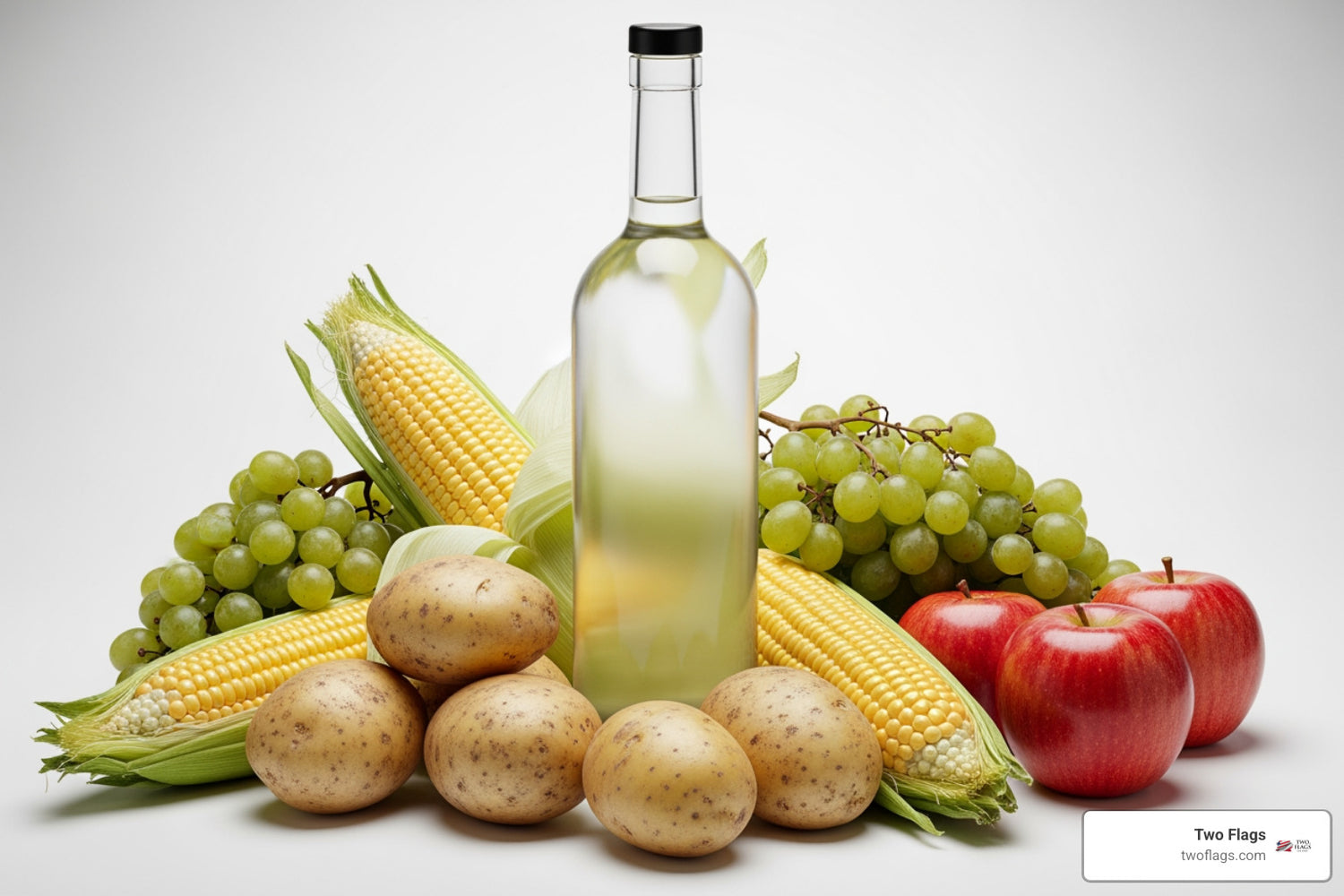
Why Grain-Free Vodka Matters for Your Health and Peace of Mind
Grain free vodka is vodka distilled from non-grain sources like potatoes, corn, grapes, or apples, rather than wheat, barley, or rye. These vodkas are naturally gluten-free from start to finish, making them a safe choice for individuals with celiac disease or gluten sensitivity.
Quick Answer: Key Facts About Grain-Free Vodka
- Made From: Potatoes, corn, grapes, apples, or other non-grain sources
- Naturally Gluten-Free: No gluten in the base ingredients
- Safe For: People with celiac disease or gluten sensitivity
- Common Brands Use: Potato and corn as primary ingredients
- Taste Profile: Often creamier (potato) or slightly sweeter (corn) than grain vodkas
The rise in gluten-free diets has transformed the spirits industry. Research shows that 30% of people in the United States now avoid gluten, whether due to celiac disease, gluten sensitivity, or personal health choices. This shift has made grain free vodka not just a niche product, but a spirit of choice for millions seeking peace of mind with every sip.
While distillation technically removes gluten proteins from grain-based vodkas, many people still experience reactions or simply prefer the certainty of a vodka that never contained gluten in the first place. Grain-free options eliminate that uncertainty entirely.
I'm Sylwester Skóra, and my journey from Poland to America has taught me that the best vodka starts with the purest ingredients—no grains, no compromise. At Two Flags, we've dedicated ourselves to crafting authentic grain free vodka that honors tradition while meeting modern demands for clean, quality spirits.
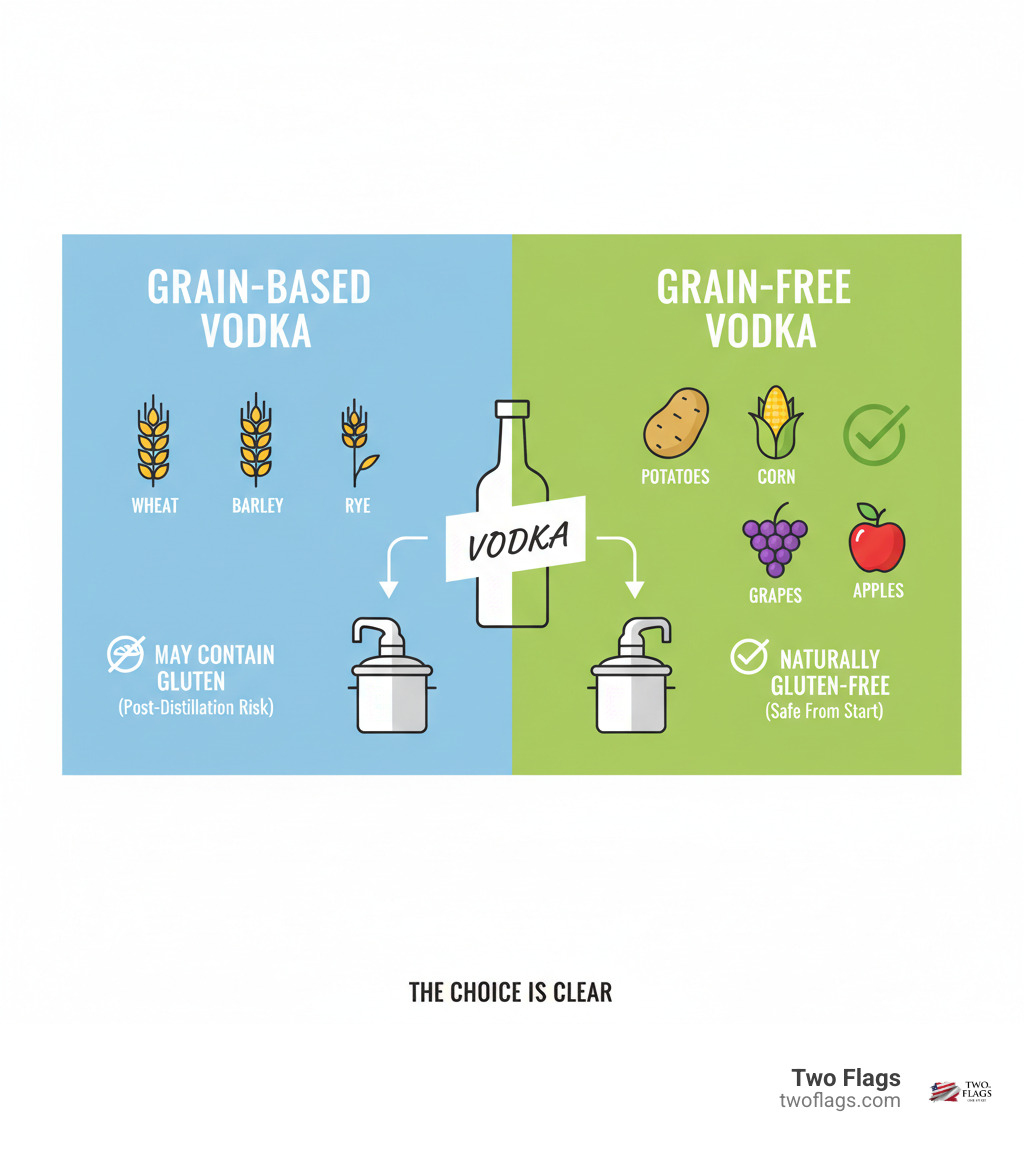
The World of Grain-Free Vodka: Ingredients and Production
When you pick up a bottle of grain free vodka, you're holding something fundamentally different from traditional spirits. Instead of wheat, rye, or barley, these vodkas start their journey with ingredients like potatoes, corn, grapes, or even apples. For anyone navigating a gluten-free lifestyle, this distinction isn't just interesting—it's essential.
Every vodka's story begins the same way: fermentation. Yeast works its magic on the natural sugars in the raw ingredients, converting them into alcohol. This fermented liquid becomes what distillers call "mash" or "wash." From there, the real change happens through distillation, where alcohol is carefully separated and purified into the crystal-clear spirit we know and love.
The science behind distillation is actually fascinating. When you heat the fermented mash in a still, alcohol vaporizes at a lower temperature than water and other compounds—including gluten proteins. Those large gluten molecules simply can't vaporize at the temperatures needed to distill alcohol, so they stay behind in the still while the pure alcohol vapor rises and is collected.
This is why even grain-based vodkas can technically be gluten-free after distillation. But here's the thing: grain free vodka never had gluten in the first place. That extra layer of certainty matters to many people, and it's a principle we stand behind at Two Flags. To understand more about how this process works, take a look at Vodka's Journey: A Step-by-Step Guide to How It's Crafted.
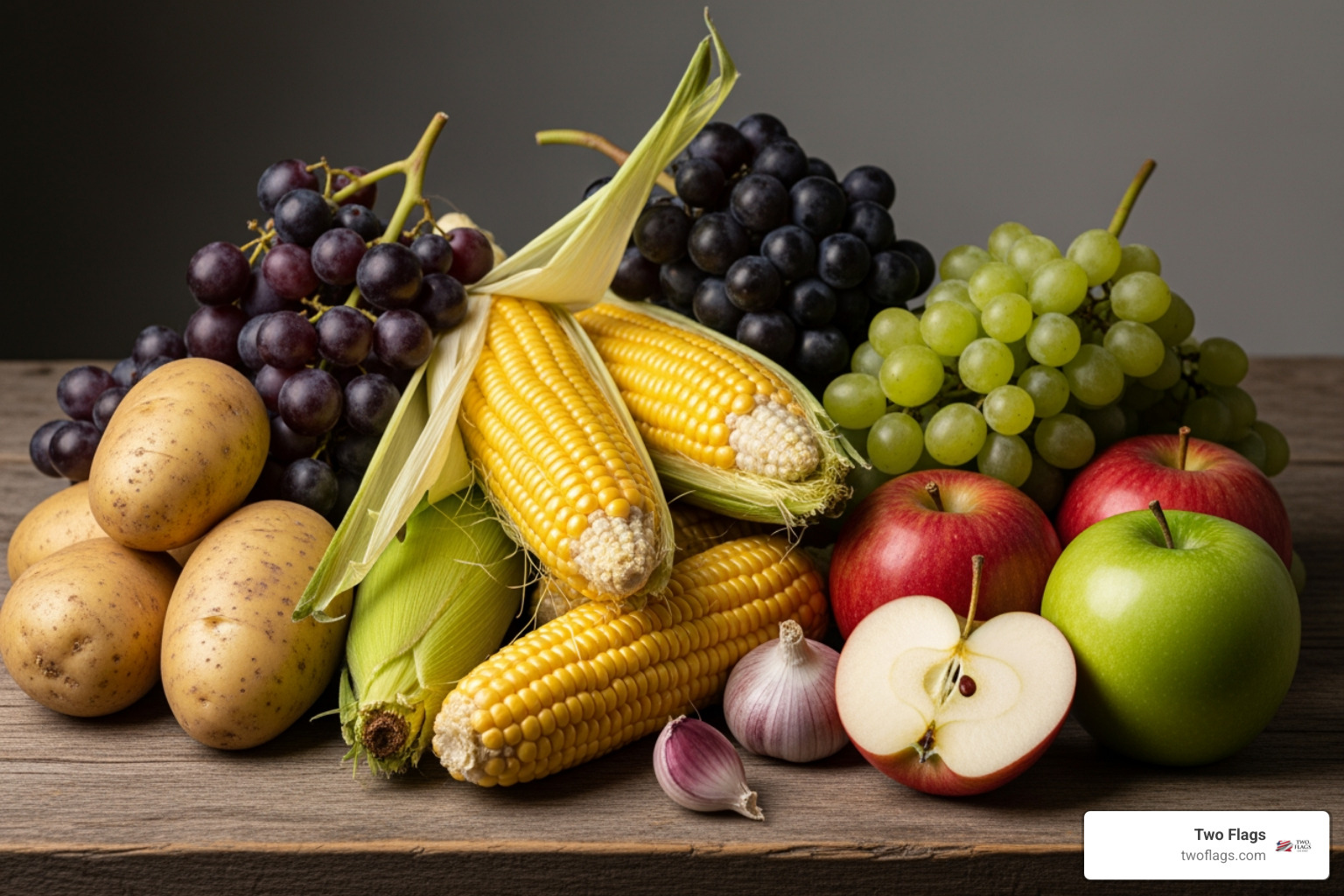
Primary Ingredients Used
The real beauty of grain free vodka is the variety of ingredients that can create it. Each source brings something special to the table, literally changing the character of the final spirit.
Potatoes have been creating exceptional vodka for centuries, and for good reason. They produce a distinctively creamy mouthfeel that feels luxurious on the palate. The flavor tends to be slightly earthy with subtle sweet notes that vodka enthusiasts genuinely appreciate. The natural starch in potatoes converts beautifully into fermentable sugars, making them an ideal foundation for premium spirits. At Two Flags, we understand the heritage and craftsmanship that goes into potato-based vodka—it's a tradition worth preserving. You can explore this rich history further in The Ultimate Guide to Potato-Based Liquors: Beyond the Mash.
Corn brings a different personality to the glass. Corn-based vodkas are known for their naturally sweeter notes and often lighter body. The fermentation process with corn creates an exceptionally smooth spirit that works beautifully in cocktails or enjoyed on its own. There's a reason corn has become such a popular choice for American distillers.
Grapes offer something truly distinctive. When distilled into vodka, grapes contribute a crisp, clean finish with subtle fruity undertones. It's almost like they bring a whisper of their wine heritage to the spirit, creating a sophisticated alternative that stands out in any lineup.
Apples might be the less common choice, but they shouldn't be overlooked. Apple-based vodkas deliver a soft, fruity nose and a smooth, rich character that showcases the essence of the fruit without being overly sweet. It's a delightful option for those looking to explore beyond the traditional bases.
This diversity means that even within the grain free vodka category, there's an entire world of flavors and textures waiting to be finded. Whether you prefer creamy, crisp, sweet, or fruity, there's a grain-free option that speaks to your taste.
The Distillation Difference
Multiple distillations take this purification process even further. Each cycle refines the spirit more, removing additional impurities and creating an increasingly clean, smooth product. This meticulous attention to detail is what separates ordinary vodka from exceptional vodka—something we take seriously at Two Flags.
The boiling point difference between ethanol and gluten proteins is significant enough that proper distillation effectively removes any trace of gluten from grain-based vodkas. This is why regulatory bodies like the TTB and FDA consider properly distilled vodka gluten-free, even when made from wheat or rye.
But here's where grain free vodka offers something extra: peace of mind. When your vodka starts with potatoes, corn, grapes, or apples, you know with absolute certainty that gluten was never part of the equation. For people with celiac disease or severe gluten sensitivity, this isn't just a preference—it's a necessity.
The purity achieved through careful distillation also explains why vodka is prized for its clean, neutral character. It's this blank canvas quality that makes vodka so versatile in cocktails while still being sophisticated enough to sip neat. To dive deeper into what makes vodka unique, check out The A-Z of Vodka: What It Is, How It's Made, and Its Potency.
Grain vs. Grain-Free: Understanding the Gluten Question
The vodka and gluten conversation can feel like navigating a maze. You've probably heard that distilled spirits are gluten-free, yet you might also know someone with celiac disease who swears they react to certain vodkas. This isn't just confusion—it's the reality of a complex topic where science meets personal experience.
This is precisely where understanding the difference between grain-based vodka and grain free vodka becomes so important for your health and peace of mind.

While distillation does an excellent job removing gluten proteins, there's something uniquely reassuring about a vodka that never contained gluten in the first place. It's the difference between "probably safe" and "definitely safe"—and for many people, that distinction matters deeply.
Beyond the science, there's also the question of taste. Grain free vodka often brings different flavor profiles to your glass. Potato-based vodkas deliver a creamy, full-bodied experience, while grape-based options offer a crisp, clean finish. Corn-based vodkas tend toward natural sweetness. These aren't just gluten-free alternatives—they're distinct spirits with their own character and charm.
Are Vodkas from Grains Gluten-Free?
Here's where things get interesting. Technically speaking, yes—pure, distilled vodka is considered gluten-free, even when made from wheat, barley, or rye. The distillation process works by heating the fermented mash until alcohol vaporizes and separates from everything else, including gluten proteins.
The federal government backs this up. Both the TTB (Alcohol and Tobacco Tax and Trade Bureau) and the FDA (Food and Drug Administration) state that distilled spirits are gluten-free because distillation removes gluten proteins. To earn a "gluten-free" label, products must contain less than 20 parts per million (ppm) of gluten, and distilled vodkas typically fall well below this threshold.
So why do some people with celiac disease still avoid grain-based vodkas? The answer lies in the gap between technical standards and lived experience. Some individuals report reactions to vodkas made from gluten-containing grains, despite the official rulings. Scientists aren't entirely sure why, but theories include sensitivity to tiny trace amounts below 20 ppm, reactions to gluten fragments, or even cross-contamination during bottling.
There's also the potential for trace gluten to sneak in after distillation. Some flavored vodkas use additives or flavorings that might contain gluten. In rare cases, manufacturers add mash back into the spirit for flavor, which could reintroduce gluten proteins.
For anyone who's highly sensitive or simply wants absolute certainty, these "maybes" and "usuallys" aren't good enough. That's the real value of choosing vodka made from naturally gluten-free ingredients from the start. You can learn more about this ongoing debate in our article: Vodka and Gluten: Separating Fact from Fiction. For additional perspective, Beyond Celiac offers helpful information: Is Vodka Gluten-Free? | BeyondCeliac.org.
What Defines a Grain-Free Vodka?
A grain free vodka is beautifully straightforward: it's made entirely from naturally gluten-free ingredients, from the very beginning of fermentation through the final distillation. No grains, no gluten, no questions.
This means the base ingredients are sources like potatoes, corn, grapes, or apples—never wheat, barley, or rye. The spirit is 100% grain-free from start to finish, which eliminates any possibility of gluten being introduced from the primary ingredient. You're not relying on distillation to remove something that was never there to begin with.
For people with celiac disease or severe gluten sensitivity, this distinction offers genuine peace of mind. There's no risk of gluten from the base mash, no wondering if distillation was thorough enough, no concerns about trace amounts. It's a clear, confident choice for those whose bodies are particularly reactive to gluten or who simply prefer to avoid any uncertainty.
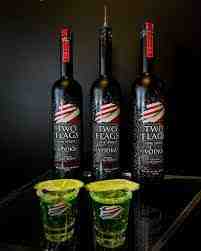
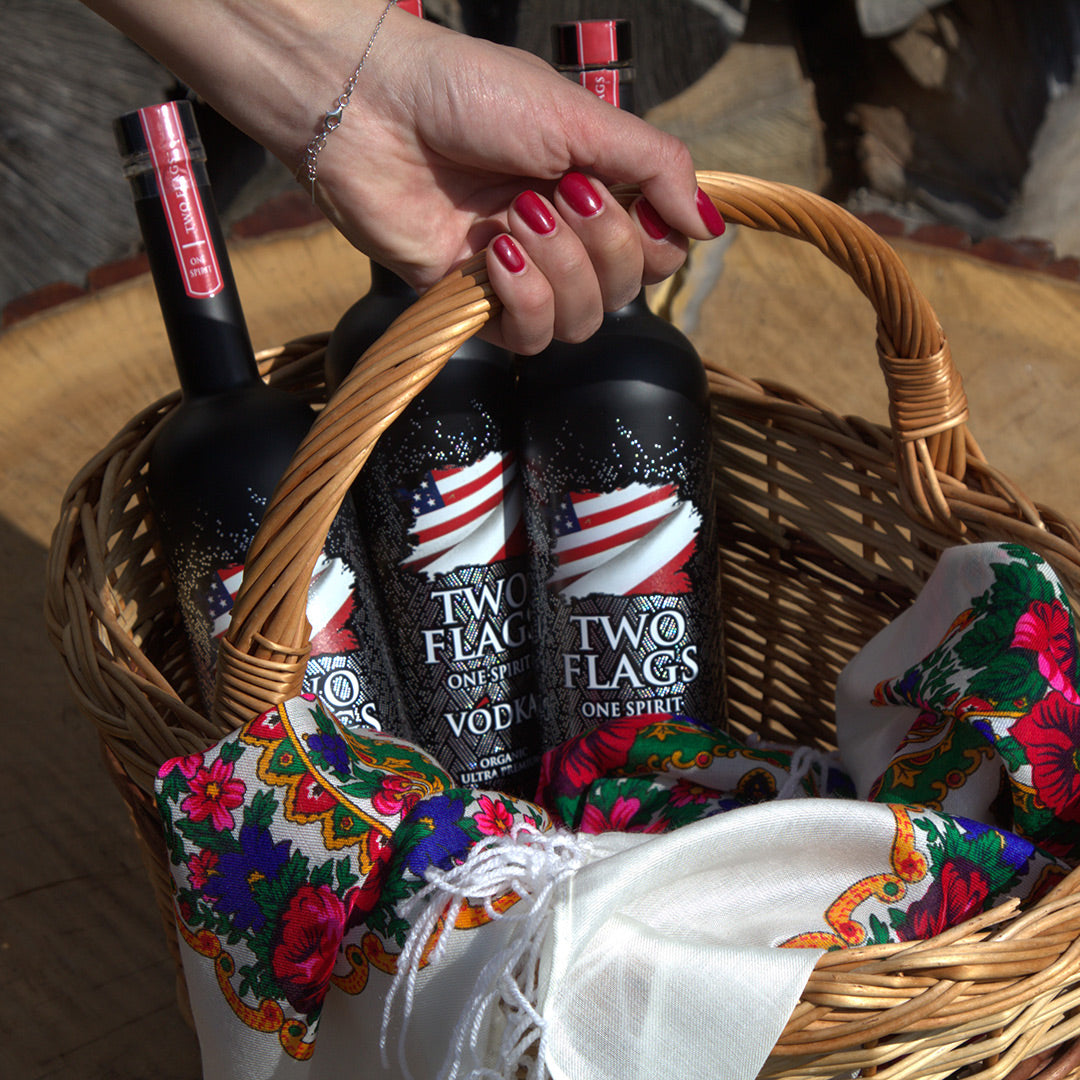
At Two Flags, this commitment to purity isn't just a marketing angle—it's who we are. Our vodka starts with the finest naturally gluten-free ingredients, crafted in Poland with the same dedication my family has always brought to the table. We understand that for many of our customers in Chicagoland and beyond, grain free vodka isn't just a preference; it's essential for their health and enjoyment.
Finding truly natural, transparent vodka brands can feel like searching for a needle in a haystack, but it's worth the effort: Beyond the Buzz: Uncovering Truly Natural Vodka Brands.
Choosing and Enjoying Your Vodka
Making the switch to grain free vodka isn't just about avoiding gluten—it's about taking control of your health while still enjoying life's simple pleasures. Whether you're managing celiac disease or simply prefer a cleaner spirit, understanding how to choose and enjoy your vodka makes all the difference.
For those with celiac disease, the benefits are straightforward: grain free vodka means zero gluten from the base ingredient, which helps you avoid the intestinal damage and uncomfortable symptoms that gluten exposure causes. It's not just a preference—it's essential for maintaining your health and quality of life.
If you have gluten sensitivity without celiac disease, you likely know the discomfort that gluten can bring: digestive upset, headaches, brain fog, or general malaise. Choosing grain free vodka lets you enjoy a cocktail or two without triggering those reactions. It's about comfort and confidence in what you're drinking.
Beyond health considerations, many of us simply appreciate knowing exactly what we're putting into our bodies. There's something reassuring about a spirit made from recognizable, natural ingredients like potatoes or grapes rather than processed grains. For more ideas on navigating gluten-free drinking, check out: Beyond Beer: Discovering Your Gluten-Free Drink Options.
How to Identify Truly Gluten-Free Options
Walking into a liquor store shouldn't feel like navigating a minefield. Once you know what to look for, finding genuine grain free vodka becomes second nature.
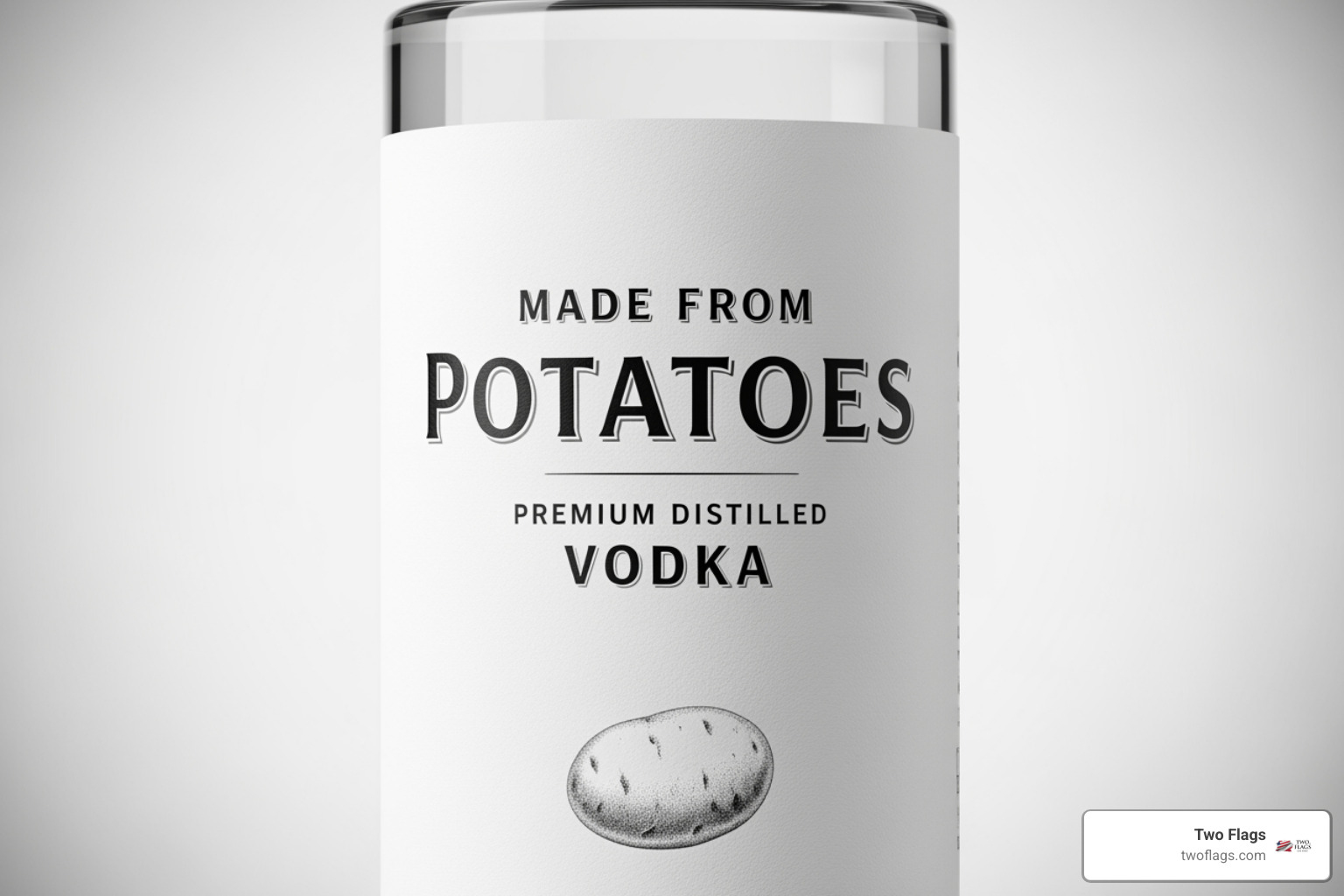
Start by reading the label carefully. The front or back of the bottle should tell you what the vodka is made from. Look for clear statements like "Made from Potatoes," "Distilled from Corn," or "Crafted from Grapes." This simple declaration confirms you're holding a truly grain free spirit in your hands.
For extra peace of mind, watch for Certified Gluten-Free logos. These official certifications from recognized organizations mean the product has been tested and verified to contain less than 20 parts per million of gluten—well below the threshold that causes problems for most people.
Sometimes the information isn't immediately obvious on the bottle. When in doubt, contact the manufacturer directly. Most quality vodka producers, including us at Two Flags, are happy to answer questions about ingredients and production methods. Check the brand's website or give their customer service a call. Any reputable producer should be transparent about what goes into their spirit.
Potential Risks with Grain-Free Vodka
Even when you choose grain free vodka, a few potential pitfalls deserve your attention. Being aware of these risks helps you make the safest choices possible.
Cross-contamination in production facilities can occur when a distillery produces both grain-based and grain-free spirits in the same location. Even with thorough cleaning, shared equipment might retain microscopic traces of gluten. This risk is generally small, but if you're extremely sensitive, it's worth asking the producer about their facility practices.
The biggest concern? Flavored vodkas. While the base spirit might be perfectly grain free, the flavorings added afterward can be problematic. Some natural or artificial flavorings, caramel colorings, or other additives might be derived from gluten-containing sources. Vanilla extract, for instance, is often suspended in grain alcohol. If you love flavored vodkas, always verify with the manufacturer that their flavorings are also gluten-free.
Watch out for post-distillation additives too. Some producers add ingredients back into the vodka after distillation to improve flavor or texture. If these additives are grain-derived, they reintroduce the very gluten that distillation removed. A few brands even add a small amount of the original mash back for character—a practice that would compromise an otherwise gluten-free spirit.
At Two Flags, we understand these concerns because we've built our entire approach around purity and transparency. Our commitment to organic, naturally gluten-free ingredients means you can enjoy our vodka with complete confidence, whether you're sipping it neat or mixing your favorite cocktail.
Crafting the Perfect Grain-Free Cocktails
There's something deeply satisfying about mixing a cocktail when you know every ingredient aligns with your values and dietary needs. Grain free vodka brings that confidence to your home bar, offering a clean canvas for creativity without compromise.

The versatility of grain free vodka in mixology is truly remarkable. Because these vodkas start with pure, naturally gluten-free ingredients like potatoes or corn, they bring their own subtle character to every drink while maintaining that smooth, clean profile that makes vodka such a beloved spirit. A potato-based vodka might add a whisper of creaminess to your cocktail, while a corn-based option offers gentle sweetness that plays beautifully with citrus and other fresh ingredients.
We've found that the best cocktails often accept simplicity. When you're working with a quality grain free vodka, you don't need elaborate recipes with a dozen ingredients. The spirit's inherent smoothness and purity actually shine brightest when you let them take center stage with just a few complementary elements.
Classic Cocktail Examples
The beauty of classic vodka cocktails is that they're naturally suited to a gluten-free lifestyle—as long as you're mindful about your mixers. Here are some timeless favorites that showcase what grain free vodka can do.
The Vodka Martini is where your choice of vodka truly matters. Combine 2.5 oz of your favorite grain free vodka with 0.5 oz dry vermouth. Stir gently with ice until the mixture is properly chilled, then strain into a chilled martini glass. Whether you garnish with an olive or a twist of lemon is entirely up to your mood. This drink is all about the quality of your spirit—nothing to hide behind, just pure, refined taste.
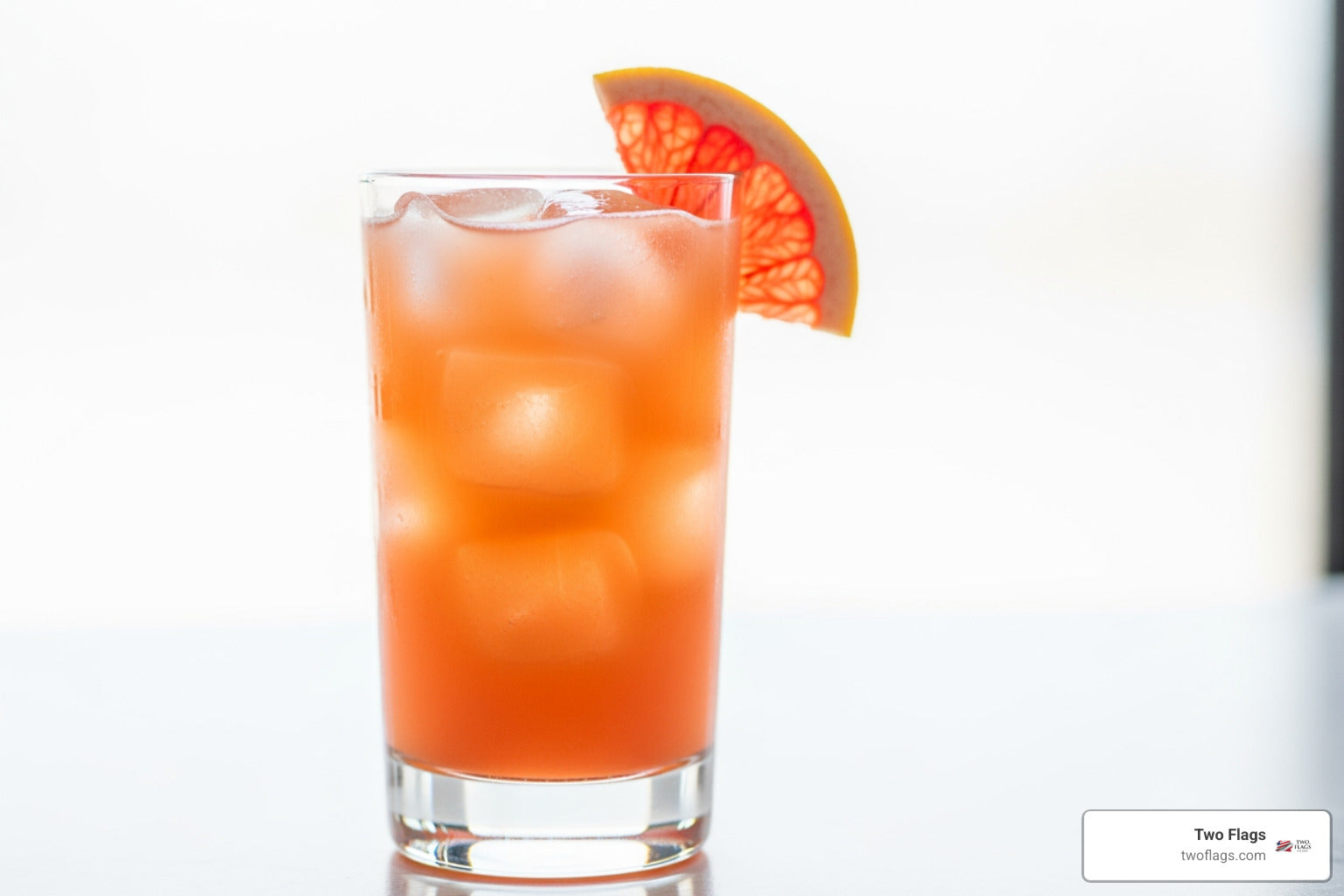
For those moments when you want something refreshingly uncomplicated, The Vodka Soda with Lime is perfection in a glass. Pour 2 oz grain free vodka over ice, top with club soda or sparkling water, and squeeze in a fresh lime wedge. It's hydrating, light, and lets you taste exactly what makes your chosen vodka special.
The Moscow Mule deserves its enduring popularity, but here's where you need to be careful: not all ginger beers are gluten-free. Make sure you're using a certified gluten-free ginger beer to keep this cocktail safe. Combine 2 oz grain free vodka with 0.5 oz fresh lime juice in a copper mug filled with ice. Top with your gluten-free ginger beer, stir gently, and garnish with a lime wedge. The spicy ginger and bright lime complement the vodka's clean profile beautifully.
The Cosmopolitan brings a touch of elegance to any evening. Shake 1.5 oz grain free vodka, 0.75 oz Cointreau or triple sec, 0.75 oz fresh lime juice, and 0.5 oz cranberry juice with ice until well-chilled. Strain into a chilled coupe or martini glass and finish with a lime twist. It's sophisticated, balanced, and proves that gluten-free doesn't mean sacrificing style.
At Two Flags, we've crafted our vodka to be that perfect foundation for your cocktails—smooth enough to sip neat, versatile enough to mix into anything your imagination dreams up. Whether you're shaking up a classic or experimenting with something new, starting with quality grain free vodka means you're already halfway to a perfect drink.
Frequently Asked Questions about Grain-Free Vodka
As more people accept gluten-free living, we find ourselves answering questions about grain free vodka almost daily. Whether you're new to this world or simply curious about the finer details, we've gathered the most common questions we hear and provided honest, straightforward answers.
What is the main difference in taste between potato vodka and grain vodka?
The base ingredient shapes the entire character of your vodka, and the differences can be quite noticeable once you know what to look for. Potato vodkas are often described as having a fuller, creamier mouthfeel that coats your palate in a pleasant way. You might detect subtle earthy notes or even a gentle sweetness that makes them particularly smooth for sipping.
Grain vodkas, on the other hand, vary considerably depending on which grain is used. Wheat-based vodkas typically deliver a smooth, clean character with a delicate sweetness. Rye vodkas tend to be spicier, with a peppery finish that adds complexity. And corn vodkas—which are technically grain free since corn is a naturally gluten-free base—often bring a natural sweetness and lighter body to your glass.
At Two Flags, we've crafted our vodka to deliver that authentic, smooth character that makes every sip memorable, whether you're enjoying it neat or in your favorite cocktail.
Can I have grain-free vodka if I have a corn allergy?
This is an important question that catches many people off guard. Not all grain free vodkas are safe if you have a corn allergy, because corn happens to be one of the most popular naturally gluten-free bases for vodka production. Just because a vodka is free from wheat, barley, and rye doesn't automatically mean it's corn-free.
If corn is a concern for you, you'll want to explicitly seek out vodkas made from potatoes, grapes, or apples instead. Always read the label carefully, looking for that "made from" statement that tells you exactly what's in the bottle. When in doubt, reach out to the manufacturer directly—we're always happy to answer questions about our ingredients at Two Flags.
Are flavored vodkas grain-free?
Here's where things get tricky, and it's something we want you to be especially careful about. The base vodka might indeed be grain free—distilled from potatoes, corn, or another naturally gluten-free source. However, the flavorings and additives introduced after distillation can potentially contain gluten or be derived from gluten-containing ingredients.
Some artificial or natural flavorings, certain caramel colorings, or other flavor improvers might introduce gluten back into an otherwise gluten-free spirit. This means you can't simply assume that because a brand's unflavored vodka is grain free, all their flavored varieties will be safe for your gluten-free needs.
Always verify the gluten-free status of any flavored vodka directly with the brand, or look for clear "Certified Gluten-Free" labels on that specific flavored product. It's better to ask and be certain than to risk an unwanted reaction.
Conclusion
Choosing grain free vodka isn't just about following a diet—it's about taking control of your health and enjoying life without worry. Throughout this guide, we've walked through vodka made from naturally gluten-free ingredients like potatoes, corn, and grapes, and explored why these spirits offer something special for anyone navigating celiac disease or gluten sensitivity.
Yes, the science tells us that distillation removes gluten proteins from grain-based vodkas. But there's something deeply reassuring about choosing a spirit that never contained gluten in the first place. No questions, no doubts, no "what ifs"—just pure enjoyment. We've covered how to read labels, spot certified gluten-free logos, and watch out for hidden gluten in flavored varieties. We've also shared some classic cocktail recipes that let the clean, honest character of grain free vodka shine through.
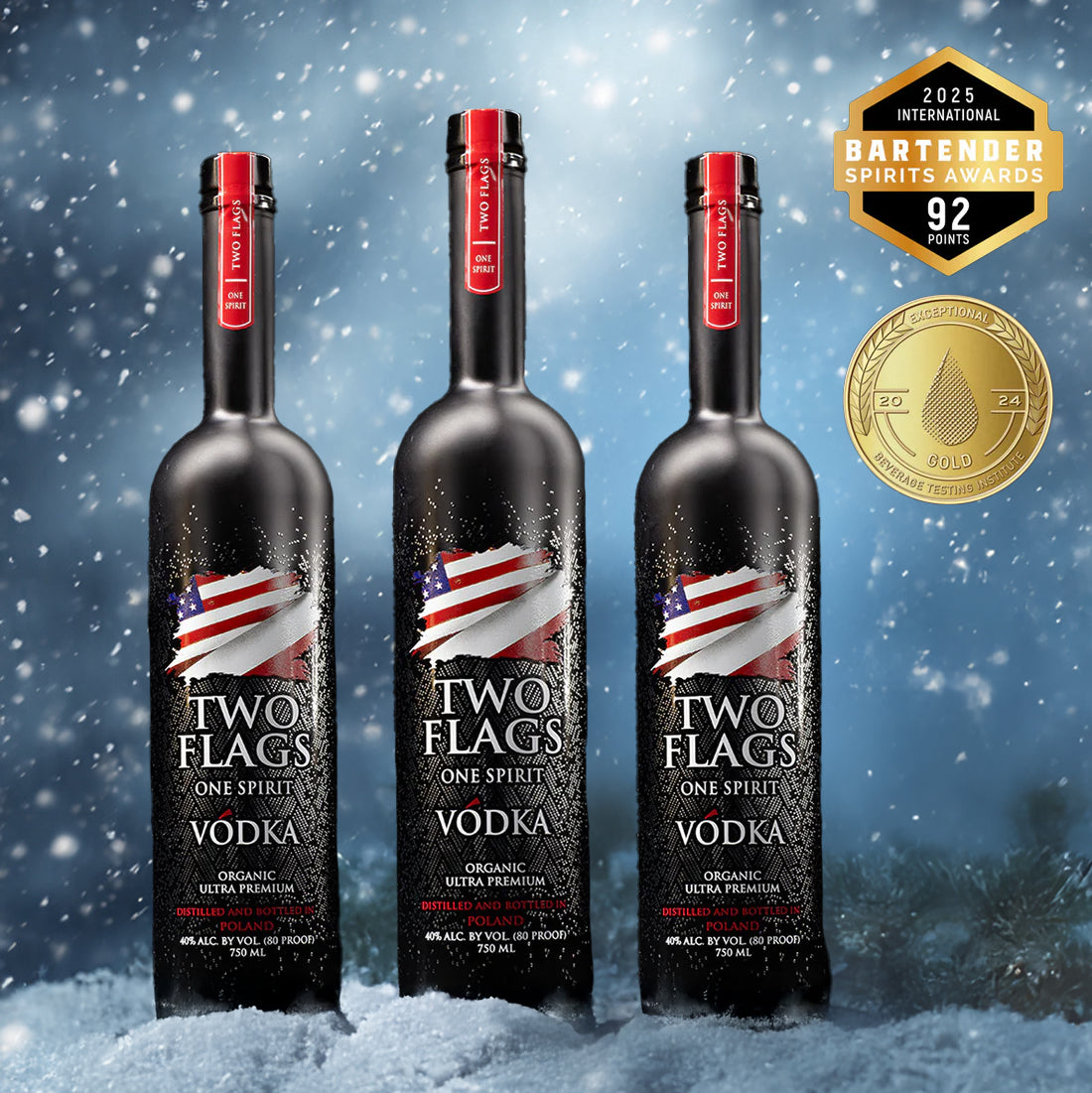
At Two Flags, our approach is straightforward: start with the finest naturally gluten-free ingredients, craft them with care in Poland using traditional methods, and deliver ultra-premium, organic vodka to our neighbors here in Chicagoland. Quality and purity aren't just marketing words for us—they're the foundation of everything we do. We believe you deserve a vodka that tastes exceptional and gives you complete peace of mind.
Making informed choices about what we drink empowers us to celebrate the moments that matter most. Whether you're mixing a simple vodka soda on a warm summer evening or crafting a sophisticated martini for friends, knowing your spirit is truly grain free lets you relax and enjoy. Here's to finding your perfect vodka and savoring every sip without compromise.
For those seeking even more specific guidance, especially if you're navigating multiple sensitivities, our guide Beyond the Grain: Finding Your Perfect Gluten-Free, Corn-Free Vodka offers deeper insights into making the best choice for your unique needs.


Zostaw komentarz
Ta strona jest chroniona przez hCaptcha i obowiązują na niej Polityka prywatności i Warunki korzystania z usługi serwisu hCaptcha.