


Why Finding the Best Vodka Reasonable Price Matters More Than Ever
Best vodka reasonable price doesn't mean settling for harsh, low-quality spirits that leave you with regret and a headache. The truth is, you can find exceptional vodka that won't strain your wallet—if you know what to look for.
Quick Answer: What Makes Vodka a Good Value?
- Quality Ingredients - Look for organic, non-GMO base ingredients like potato or rye
- Transparent Origin - Single-country production (especially from traditional vodka regions like Poland)
- Proper Distillation - Multiple distillations and quality filtration for smoothness
- Price Range - Excellent vodkas exist in the $20-$30 range
- Versatility - Works well neat, on the rocks, or in cocktails
The spirits industry has long perpetuated a myth: expensive vodka equals quality vodka. But research shows that many affordable vodkas score just as high in blind taste tests as bottles costing three times as much. According to expert tastings, factors like base ingredients, distillation process, and origin matter far more than price tags or fancy packaging.
The average price for quality vodka sits around $20 for a 750ml bottle. At this price point, you can find vodkas made from premium ingredients like Polish potatoes or winter rye, distilled using traditional methods, and filtered to exceptional smoothness. Some affordable options even earn ratings like "Exceptional" from professional tasting panels—proving that value and quality can coexist.
What sets truly good vodka apart? It's not about being flavorless. Modern vodka standards recognize that vodka can exhibit character from its base ingredients. A potato vodka offers creamy texture. Rye brings subtle spice. These nuances matter, especially if you're sipping neat or crafting a simple cocktail where the vodka shines.
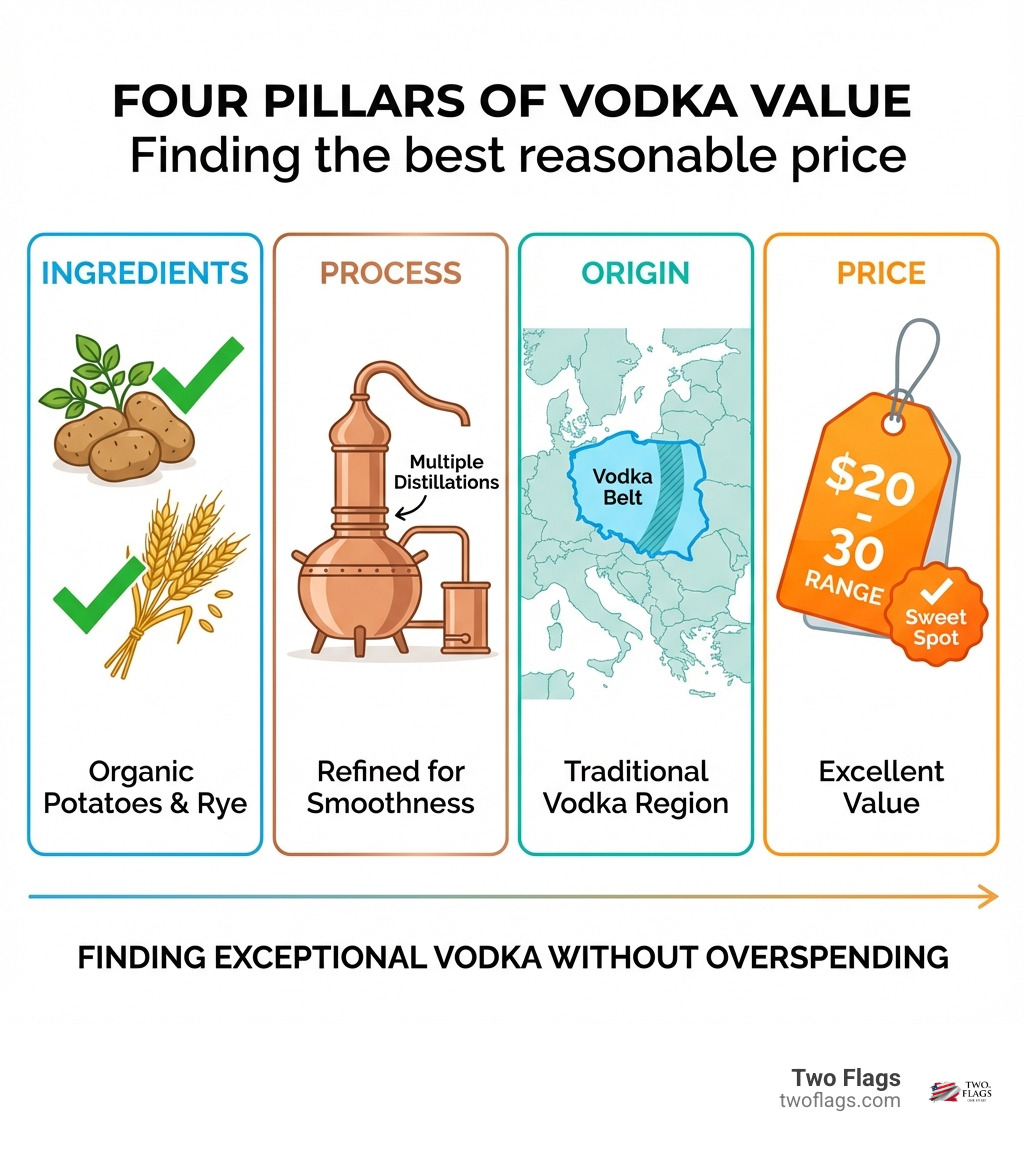
Best vodka reasonable price terms at a glance:
What Makes a Vodka a Good Value? Debunking Common Myths
When we talk about finding the best vodka reasonable price, we’re not just looking for the cheapest bottle on the shelf. We're seeking genuine value—that sweet spot where quality, taste, and affordability perfectly align. Many consumers, ourselves included, have been led to believe that a higher price tag automatically signifies superior quality. But as we've finded through extensive research and blind taste tests, this isn't always the case.
Value defined: For us, value in vodka isn't merely about the lowest cost; it's about the "point-to-dollar ratio." This means getting more quality, as measured by expert ratings and taste profiles, for every dollar spent. A vodka that scores high in blind tastings but costs significantly less than its equally-rated counterparts offers excellent value. The average price for a 750ml bottle in the "cheap" category is around $20, but we've found truly exceptional options well within the $20-$30 range.
Quality vs. price: It's a common misconception that you need to spend a fortune for a good vodka. The truth is, vodka is one of the least expensive spirits to produce because it doesn't require aging. This means that a significant portion of a high-priced bottle’s cost can often go into marketing and elaborate packaging rather than the spirit itself. As one expert put it, "You don't need a pricey vodka to round out your at-home bar." Many affordable brands are "perfectly drinkable" and offer "exceptional quality at a pocket-friendly price."
Premium packaging: We've all seen those mega-super-premium vodka brands that feature spectacular packaging at great expense. While they might look impressive on a bar cart, the bottle's design rarely correlates with the quality of the liquid inside. Don't let dazzling bottles trick you into overspending when a simpler, more honest package might hold a superior spirit.
Ethanol burn: One of the most telling signs of a low-quality vodka is the dreaded "ethanol burn"—that harsh, fiery sensation that tastes like "grimace-inducing jet fuel." A good value vodka should be smooth enough to avoid this, even when sipped neat. This smoothness comes from careful ingredient selection, meticulous distillation, and thorough filtration, not necessarily a hefty price tag.
Vodka character: For years, the U.S. Alcohol and Tobacco Trade and Tax Bureau (TTB) defined vodka as "without distinctive character, aroma, taste or color." However, the TTB now recognizes that vodka can exhibit character, acknowledging what many connoisseurs have known all along: vodka is not, and should not be, a flavorless, odorless spirit. This recognition is crucial because it allows us to appreciate the subtle nuances that different base ingredients and production methods bring to the spirit. A truly good vodka doesn't just deliver alcohol; it offers a unique sensory experience. To learn more about what distinguishes a truly great vodka, read our guide on Sip Smarter: Discovering What Good Vodka Really Means.
From Farm to Glass: How Ingredients and Origin Shape Your Vodka
The journey of vodka begins long before it reaches the bottle, starting with its fundamental building blocks: the base ingredients. Unlike other spirits with strict ingredient requirements, vodka can be made from a wide variety of agricultural products containing sugar or starch. This versatility means that understanding the "from farm to glass" process is key to appreciating the different taste profiles and identifying the best vodka reasonable price.
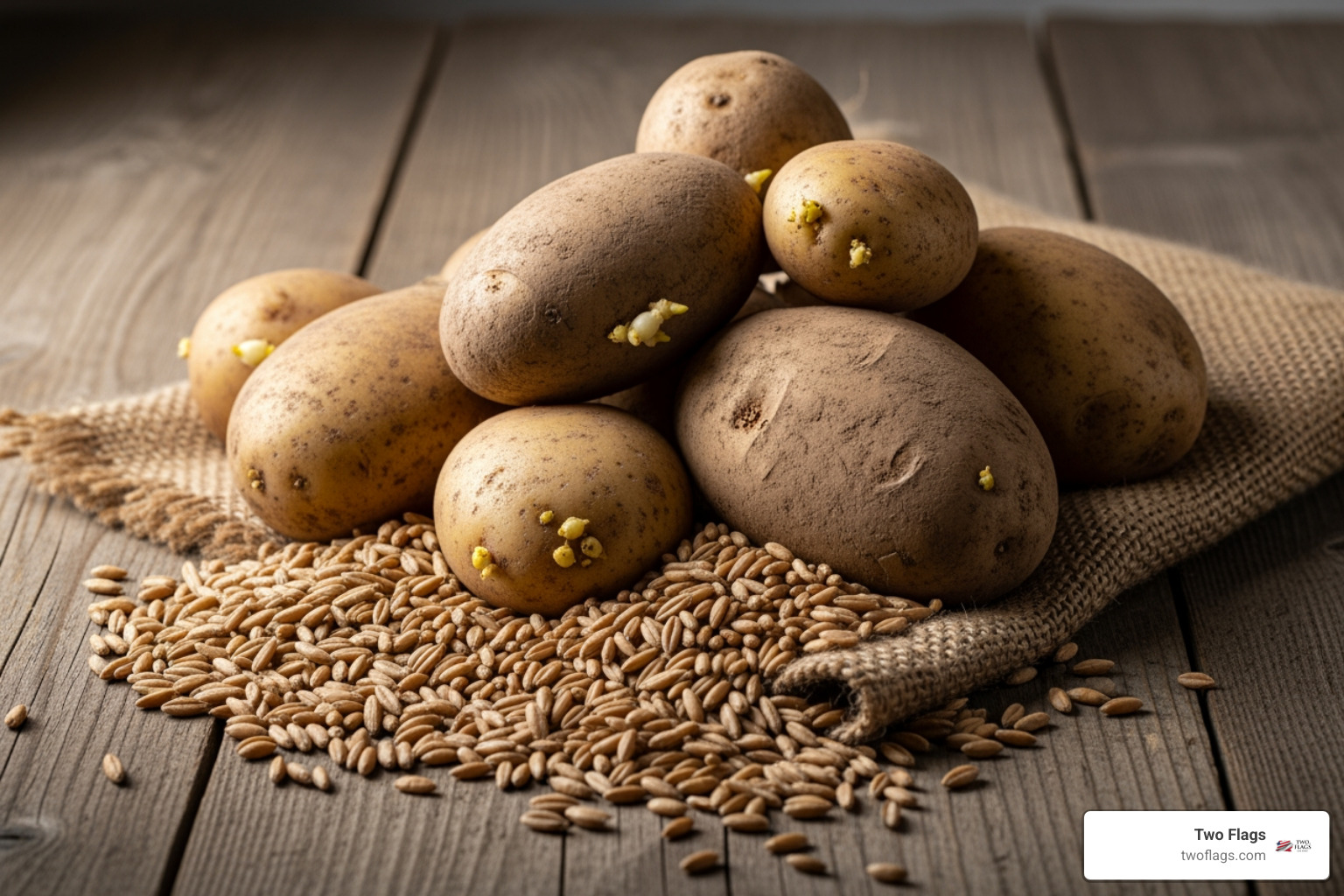
Base ingredients: The most common ingredients we encounter are potatoes, various grains (like rye, wheat, and corn), and sometimes even grapes or sugar cane. Each of these imparts distinct characteristics to the final spirit.
- Potato vodka: Often lauded for its creamy mouthfeel and slightly sweet, earthy notes. Potato vodkas tend to have a richer, more viscous texture, making them excellent for sipping neat or in martinis. We find that a good potato vodka offers a smooth, almost buttery quality.
- Rye vodka: Known for its peppery spice, crispness, and a subtle bready undertone. Rye vodkas often present a more complex and robust flavor profile, appealing to those who appreciate a vodka with character.
- Wheat vodka: Generally characterized by a clean, smooth, and sometimes faintly sweet taste. Winter wheat, in particular, is prized for producing vodkas with a soft, rounded texture and delicate notes.
- Corn vodka: These vodkas often exhibit a sweet or buttery quality, along with a clean, neutral profile. They tend to be very smooth and easy-drinking.
Taste profiles and texture differences: The choice of base ingredient profoundly affects not just the flavor but also the texture, or mouthfeel, of the vodka. A potato vodka might feel velvety, while a rye vodka could be sharper and crisper. These subtle differences contribute significantly to the overall drinking experience, especially when enjoyed neat or in simple cocktails.
Polish vodka heritage: When discussing base ingredients and origin, we must highlight Poland's rich vodka heritage. Poland is part of the "Vodka Belt," a region with centuries of tradition in vodka production. Polish vodkas, often made from potatoes or rye, are renowned for their quality and authentic craftsmanship. This deep-rooted history means that Polish producers have perfected the art of extracting the best characteristics from these ingredients, resulting in vodkas with distinct and celebrated profiles. We believe that Polish vodka, with its stringent production standards, consistently offers exceptional quality and value. For a deeper dive into what makes Polish vodka so special, read our article From Grain to Glass: What Makes Polish Vodka So Special.
Organic farming: Another critical aspect of ingredients is whether they are organically farmed. Organic ingredients mean no synthetic pesticides or fertilizers, leading to a purer base spirit. This commitment to natural, clean ingredients not only impacts the taste but also aligns with a sustainable approach to production. For those seeking the purest expression of vodka, organic options often represent the pinnacle of quality. Explore more about organic choices in our guide Sip Sustainably: Your Guide to Top Organic Vodkas.
The Art of the Still: Why Distillation and Filtration Matter
Beyond the carefully selected base ingredients, the transformative processes of distillation and filtration are where raw agricultural product truly becomes vodka. These stages are critical in shaping the spirit's purity, smoothness, and character, making them key factors in finding the best vodka reasonable price.
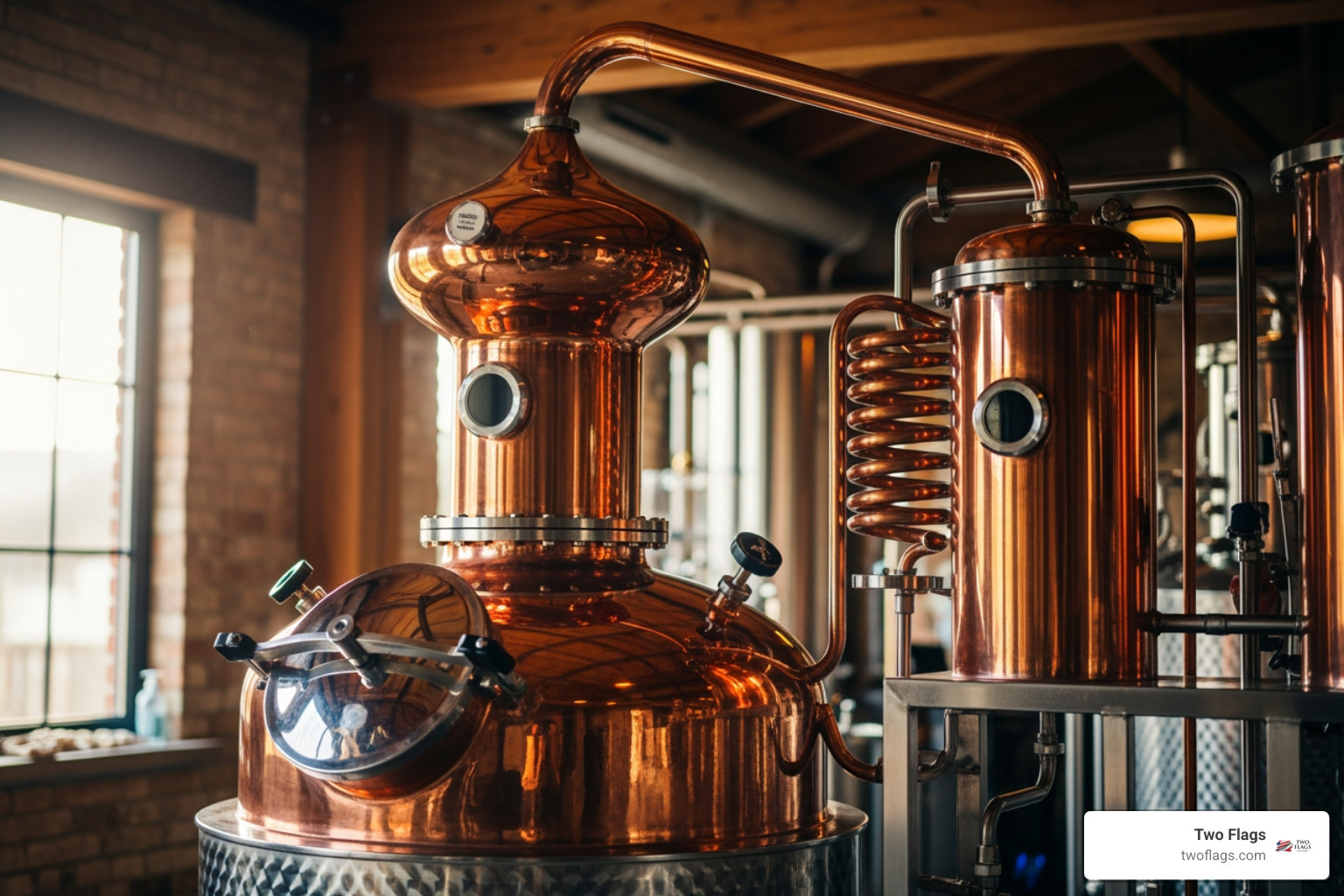
Distillation process: Distillation is essentially the art of separating alcohol from water and other compounds through heating and cooling. The fermented mash is heated, the alcohol vaporizes, and these vapors are then condensed back into liquid form.
- Multiple distillations: Many vodkas proudly advertise multiple distillations (e.g., three, five, or even more). While this often implies a smoother, more neutral spirit, it's not always a magic number. More distillations generally lead to a purer, more neutral alcohol, as impurities are stripped away. However, too many distillations can also remove desirable subtle characteristics derived from the base ingredients.
- Column stills vs. pot stills: Most modern vodka is produced in continuous column stills, which are highly efficient and produce a very pure, high-proof spirit. Some producers, however, might use traditional pot stills, which can retain more of the base ingredient's character, or a combination of both.
Filtration methods: After distillation, filtration is employed to further refine the spirit, removing any remaining impurities, colors, and unwanted flavors. This step is crucial for achieving vodka's characteristic clarity and smoothness.
- Charcoal filtering: This is perhaps the most common and traditional method. Vodka is passed through activated charcoal (often from birch wood), which acts as a natural filter, absorbing impurities.
- Other mediums: Some vodkas use more unique filtration methods, such as quartz, silver, or even bamboo charcoal, each claiming to impart a particular smoothness or character. For example, some Russian vodkas are filtered through both charcoal and quartz.
- Spring water: The quality of the water used to cut the spirit down to bottling proof is also vital. Pure spring water can significantly improve the vodka's overall taste and mouthfeel.
Removing impurities: The primary goal of both distillation and filtration is to remove impurities that can cause harsh flavors and a rough mouthfeel. A well-distilled and filtered vodka will be clean, crisp, and free from any off-notes.
Smoothness vs. character: There's a delicate balance here. While excessive distillation and filtration can lead to a "flavorless" spirit, insufficient processing can result in a vodka that is harsh and unpleasant. The best vodkas achieve a harmonious balance, offering incredible smoothness while still allowing the subtle character of their premium ingredients to shine through. This is what we strive for in our own production—a vodka that is both exceptionally smooth and authentically flavorful.
Mouthfeel: The combination of distillation and filtration heavily influences the vodka's mouthfeel—how it feels in your mouth. A high-quality vodka should have a pleasing, often creamy or silky, texture that coats the palate smoothly, without any alcoholic bite. We believe a long, polished finish is a hallmark of superior craftsmanship. To understand the intricate process that goes into creating a truly fine vodka, explore Vodka's Journey: A Step-by-Step Guide to How It's Crafted. For more on the importance of purification, dig into Why Vodka Filtration Matters: A Deep Dive.
How to Find the Best Vodka Reasonable Price: A Buyer's Checklist
Navigating the crowded shelves of liquor stores in Chicagoland to find the best vodka reasonable price can feel overwhelming. But with a strategic checklist, you can confidently make smart consumer choices, identify quality cues, and bring home a bottle that offers exceptional value without sacrificing taste.
Look for Quality Ingredients and Clear Origins
The foundation of any good vodka lies in its ingredients and where it comes from. This is where we start our search for value.
- Organic certification: This is a strong indicator of quality and purity. Organic vodkas are made from ingredients grown without synthetic pesticides or fertilizers. This commitment to natural processes often translates to a cleaner, more authentic taste. For us, organic is not just a trend; it's a core principle. To learn more about the benefits of choosing organic spirits, read Earth's Elixir: Unveiling the Best Organic Vodkas.
- Non-GMO ingredients: Similar to organic, non-GMO (Genetically Modified Organism) ingredients ensure that your vodka is made from natural, unaltered sources.
- Single-country origin: Look for vodkas that clearly state their country of origin. This transparency often signals pride in their regional production methods and ingredients.
- Polish vodka designation: For us, vodka from Poland holds a special place. Polish vodka, especially that made from Polish potatoes or rye, benefits from centuries of tradition and often adheres to strict quality standards. This designation is a reliable mark of authenticity and craftsmanship.
- Potato and rye base: As we discussed, these traditional ingredients offer distinct and desirable flavor profiles. If you’re looking for creamy texture or subtle spice, vodkas made from these bases are often a good bet.
Understand the Tasting Notes for the best vodka reasonable price
Once you've identified vodkas with promising ingredients and origins, the next step is to understand what to expect from their taste. Even at a reasonable price, a good vodka should offer a pleasant sensory experience.
- Creamy texture: This is a highly desirable trait, often found in potato-based vodkas. A creamy mouthfeel indicates a well-crafted spirit that goes down smoothly.
- Smooth finish: The absence of a harsh, burning sensation in the throat is paramount. A smooth finish means the vodka is clean and well-purified.
- Peppery spice or hint of sweetness: Depending on the base ingredient, you might detect subtle notes. Rye vodkas often have a peppery kick, while corn or some wheat vodkas can offer a gentle sweetness. These aren't strong flavors, but delicate nuances that add character.
- Clean profile: The vodka should taste fresh and pure, without any off-flavors or chemical notes.
- Absence of harshness: This is perhaps the most important indicator of a good value vodka. It should be easy to drink, whether neat or mixed.
We encourage you to explore the nuances of different vodkas. For guidance on distinguishing these subtle characteristics, our article Your Ultimate Guide to Picking the Perfect Vodka offers excellent insights.
Prioritize Versatility for the best vodka reasonable price
A truly valuable vodka is one that performs well in a variety of settings. It should be adaptable enough for different drinking preferences, ensuring you get the most out of your purchase.
- Sipping neat: A high-quality, reasonably priced vodka should be enjoyable on its own. If it passes the neat test, it's a testament to its smoothness and clean profile. The faint hint of vanilla and creamy texture found in some potato vodkas, for example, makes them perfect for this. Our article No Mix, No Fuss: Top Vodkas for Sipping Solo offers more advice on this.
- On the rocks: Adding ice can slightly dilute the vodka, opening up some of its flavors while maintaining its chill. This is a great way to enjoy a clean, crisp vodka.
- Cocktails: For many, this is where vodka shines. A good value vodka should seamlessly integrate into cocktails without dominating or being overpowered. It should be a versatile base that allows other ingredients to sparkle.
- Martinis: The ultimate test for any vodka. With only two or three ingredients (vodka, vermouth, and perhaps a garnish), there's nowhere for a low-quality vodka to hide. A crisp, smooth vodka is essential for a delicious martini.
- Vodka Soda: A simple vodka soda is another excellent litmus test. If the vodka tastes clean and refreshing here, you've found a winner.
When a vodka is versatile, it means you're investing in a spirit that can adapt to any occasion, from a quiet evening sip to a lively cocktail party. For inspiration on how a great vodka can lift your mixed drinks, check out Cocktail Kingpins: The Vodkas That Make Your Drinks Shine.
Frequently Asked Questions about Affordable Vodka
We frequently hear questions from our friends and customers in Chicagoland about how to get the most out of their vodka purchases without breaking the bank. Here are some of the most common inquiries we address:
How can you make affordable vodka taste better?
Even the best vodka reasonable price can be improved with a few tricks, especially if you're looking to lift a mixing vodka:
- Start with quality: The most effective way is to choose a good quality affordable vodka in the first place, one with a clean profile and smooth finish. This reduces the need for masking harsh flavors.
- Use fresh mixers: This is a game-changer. Freshly squeezed citrus juices (lemon, lime, orange, grapefruit) make an enormous difference compared to bottled alternatives. High-quality tonic water, ginger beer, or sparkling water can also greatly improve your drink. Using assertive flavors like coffee or spices can also mask any imperfections.
- Chill properly: Serve your vodka very cold. Storing vodka in the freezer (where it won't freeze solid, as its freezing point is around -16°F) can significantly improve its mouthfeel, making it feel smoother and more viscous.
- Proper glassware: While not strictly about taste, serving a well-chilled drink in appropriate glassware can improve the overall experience, making even an affordable vodka feel a bit more luxurious.
What price is considered "reasonable" for a good vodka?
Based on our expertise and market analysis, we define a "reasonable" price for a good quality 750ml bottle of vodka as under $30. Many excellent options consistently fall within the $20-$25 range.
- Under $30: This price point allows access to vodkas made with quality ingredients, undergoing proper distillation and filtration, and often boasting a reputable origin. You can find very basic, mixable vodkas for as low as $12-$15, while the sweet spot for high-quality, sippable options often lies between $20-$30. Even some organic vodkas fall within this reasonable range.
- Quality indicators: Rather than focusing solely on the dollar amount, prioritize the quality indicators we've discussed: organic ingredients, clear origin (especially Polish potato or rye), and evidence of careful distillation and filtration.
- Value for money: Remember the "point-to-dollar" ratio. A vodka priced at $25 that receives high marks for smoothness and taste often offers better value than a $50 bottle that performs similarly in blind tests.
- Avoiding marketing traps: Don't be swayed by fancy marketing or elaborate bottles alone. Many premium-priced vodkas don't deliver a proportionally better taste experience.
Is vodka made from potatoes gluten-free?
Yes, absolutely! Vodka made from potatoes is naturally gluten-free. Potatoes do not contain gluten, so vodkas distilled from them are a safe choice for individuals with gluten sensitivities or celiac disease.
- Distillation process: It's also worth noting that even grain-based vodkas (made from wheat, rye, or barley) are generally considered gluten-free after the distillation process. Distillation effectively separates the alcohol from the gluten proteins, leaving behind a gluten-free spirit. However, cross-contamination can be a concern for highly sensitive individuals, and some flavored vodkas might contain gluten-containing additives.
- Gluten-free certification: For absolute certainty, we always recommend looking for vodkas that are explicitly labeled or certified as gluten-free. This provides an extra layer of assurance for consumers. Our own Polish-crafted vodka, for instance, is not only organic but also proudly gluten-free. For a comprehensive explanation, dive into The Truth About Gluten in Vodka: A Clear Explanation.
Conclusion: Your Guide to Exceptional Value
Finding the best vodka reasonable price is not a quest for compromise, but a journey toward informed indulgence. We've seen that true value in vodka stems from a harmonious blend of superior ingredients, meticulous craftsmanship, and transparent origins, rather than inflated price tags or ostentatious packaging.
By focusing on these key factors—organic, non-GMO base ingredients like Polish potatoes or rye; a clear, traditional country of origin; and sophisticated distillation and filtration processes that yield both smoothness and character—you empower yourself to make choices that truly satisfy. A vodka that offers a creamy texture, a smooth finish, and subtle, clean tasting notes, all while being versatile enough for sipping neat, on the rocks, or in your favorite cocktails, is a testament to genuine value.
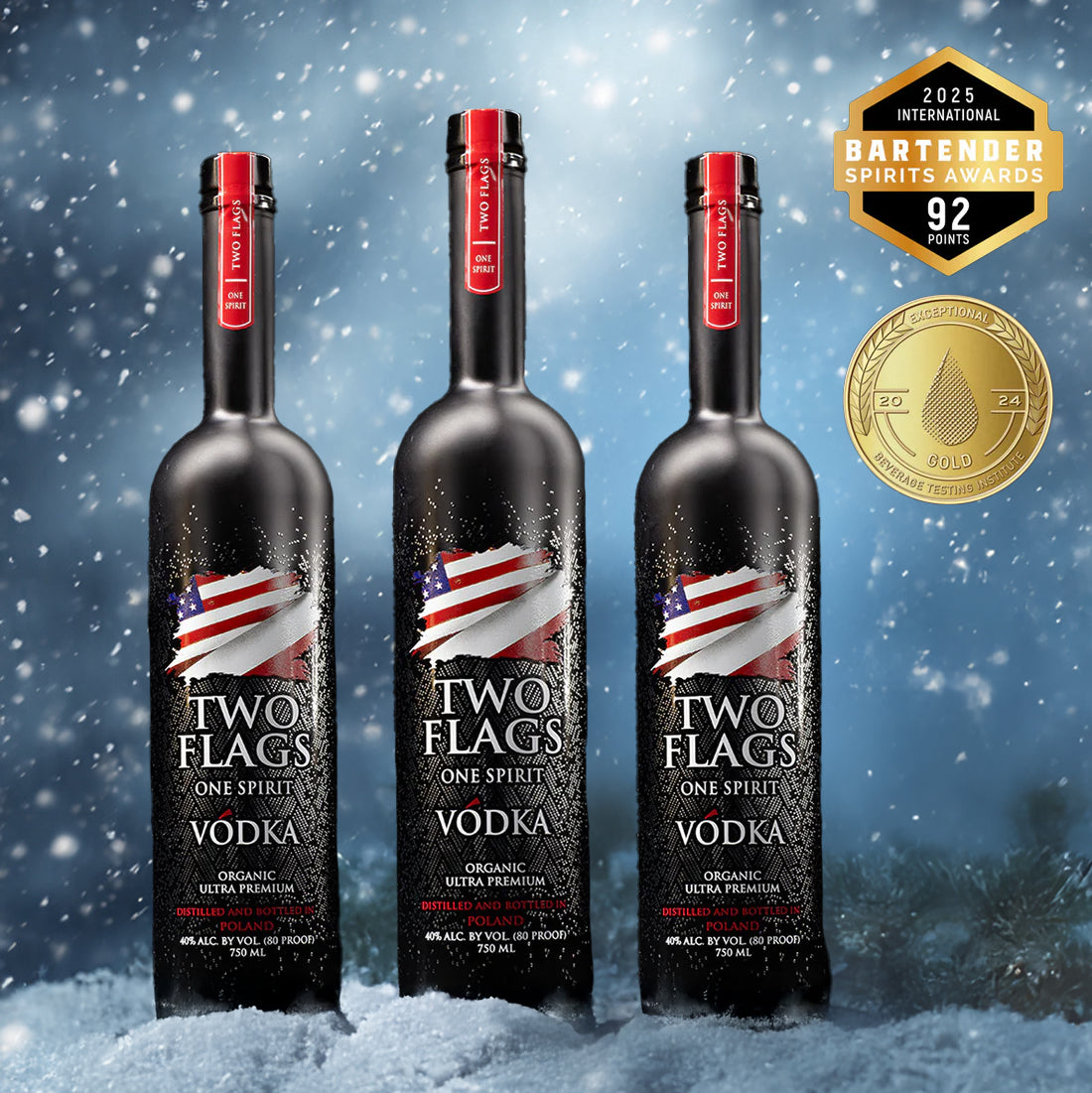
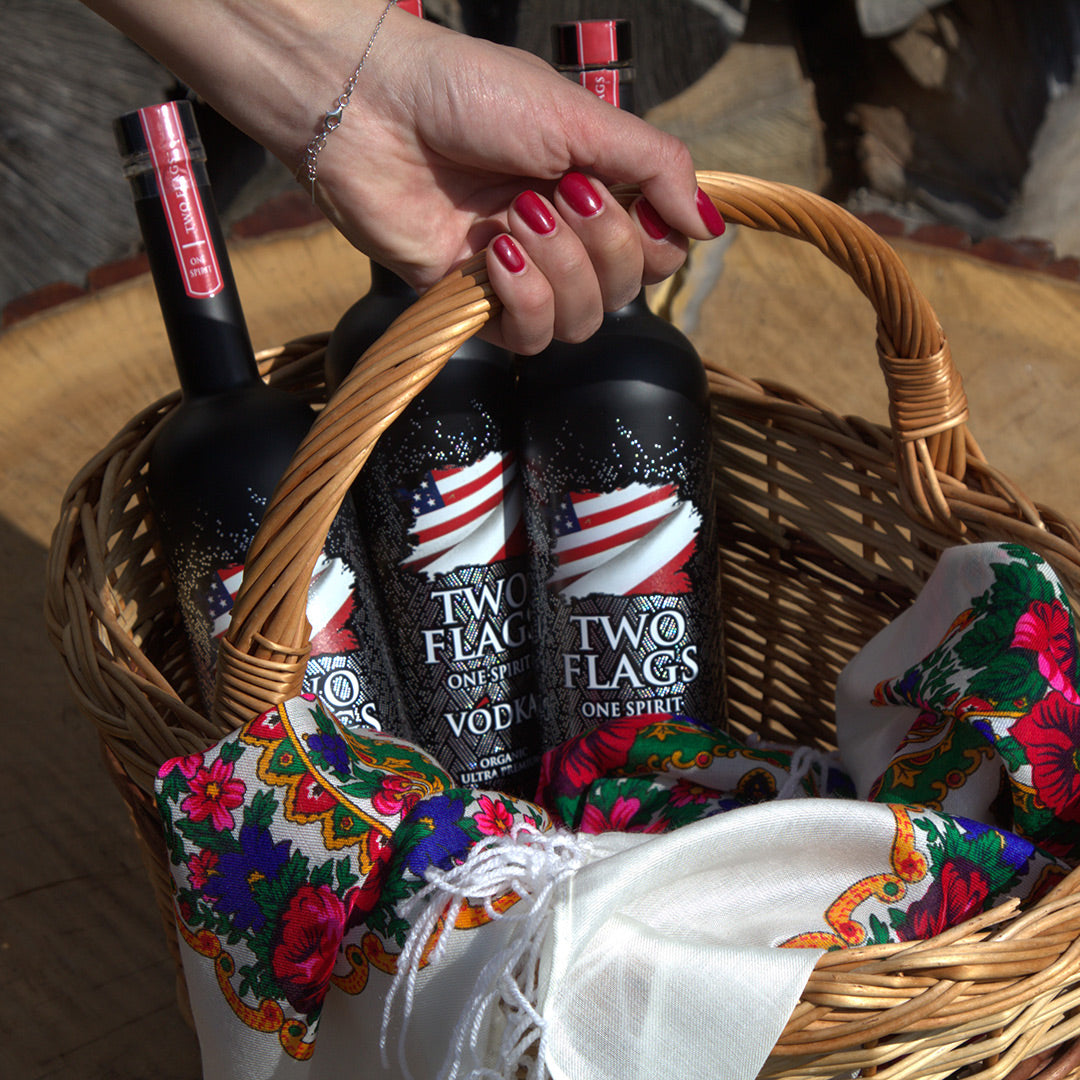
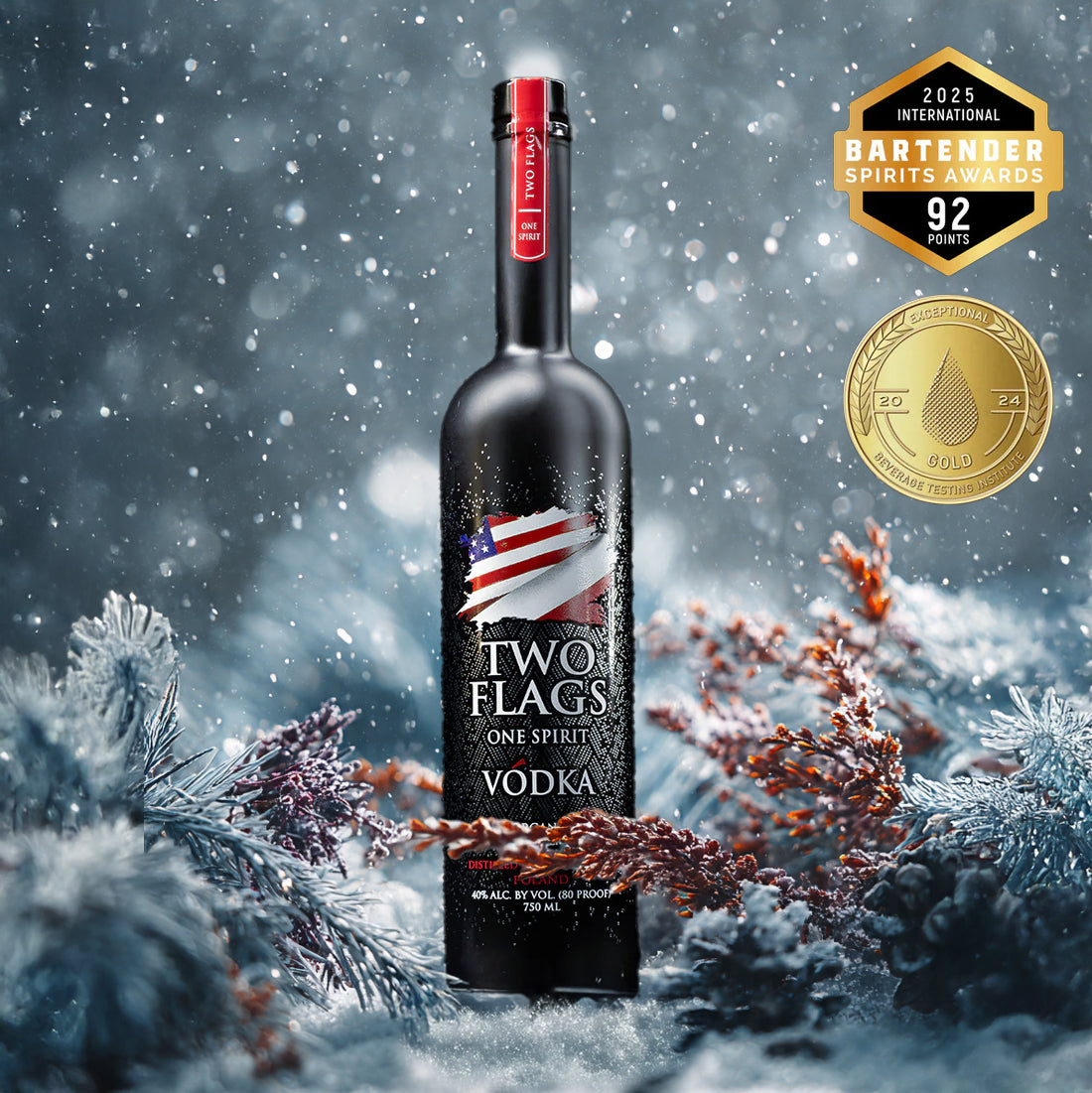
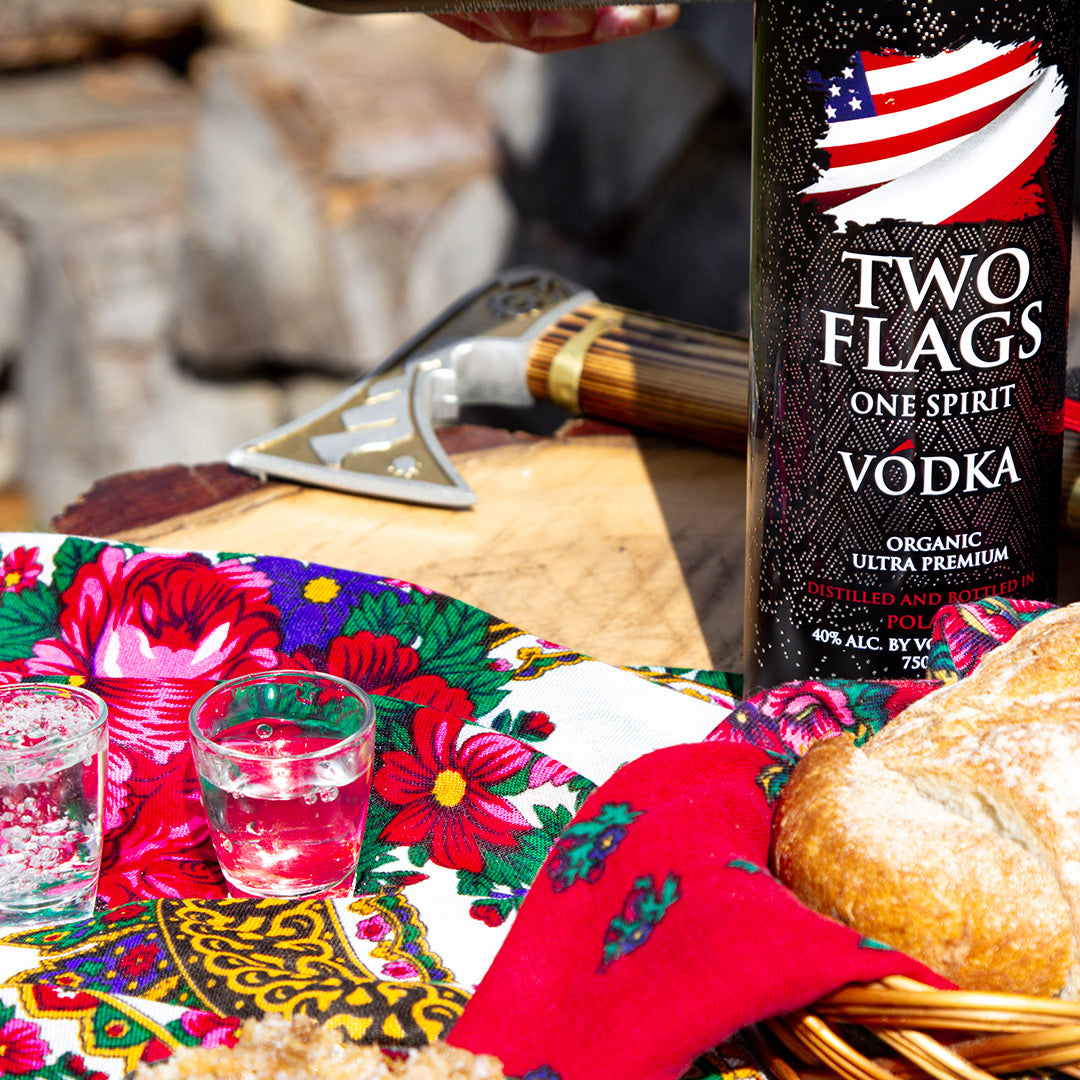
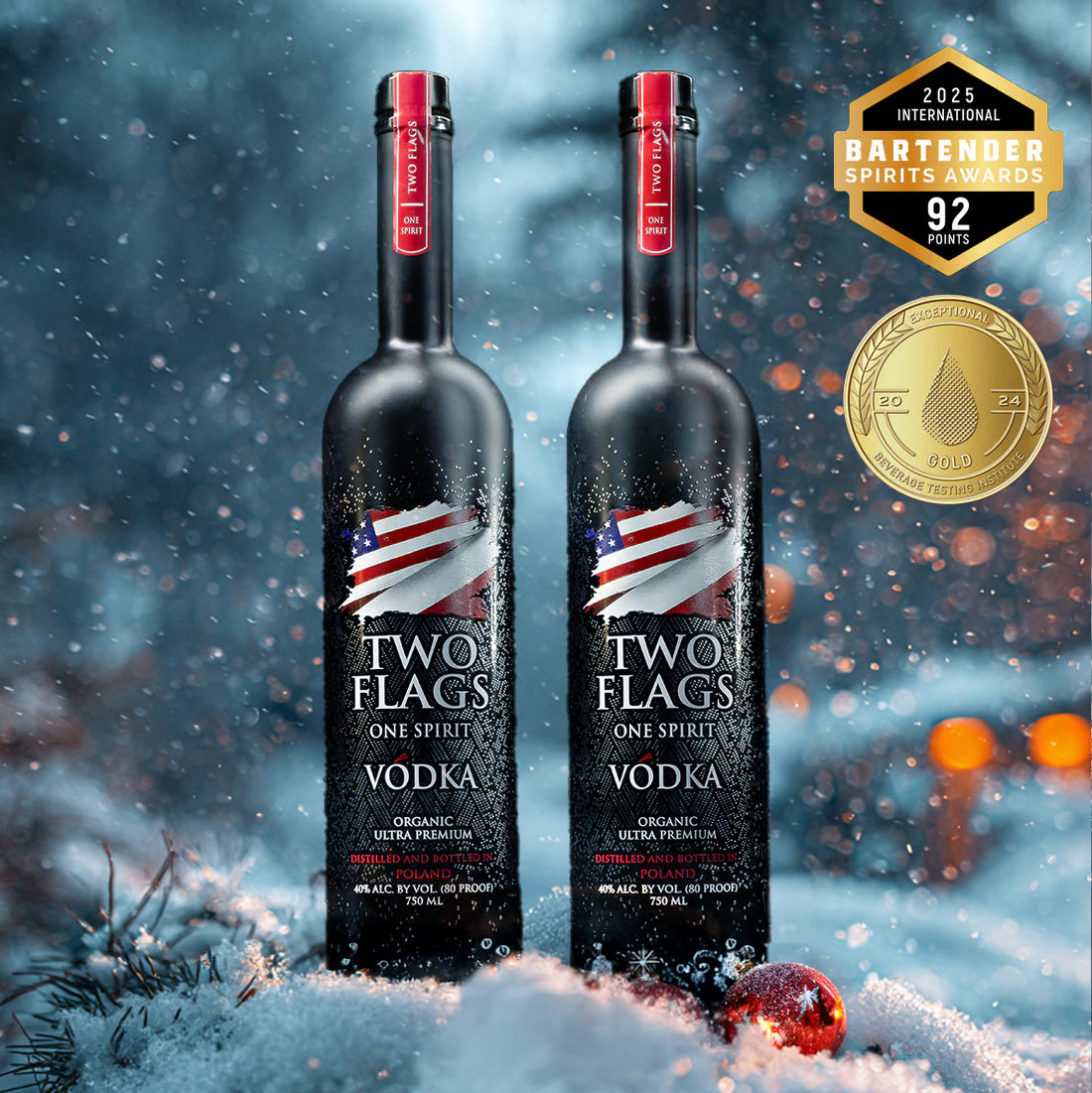
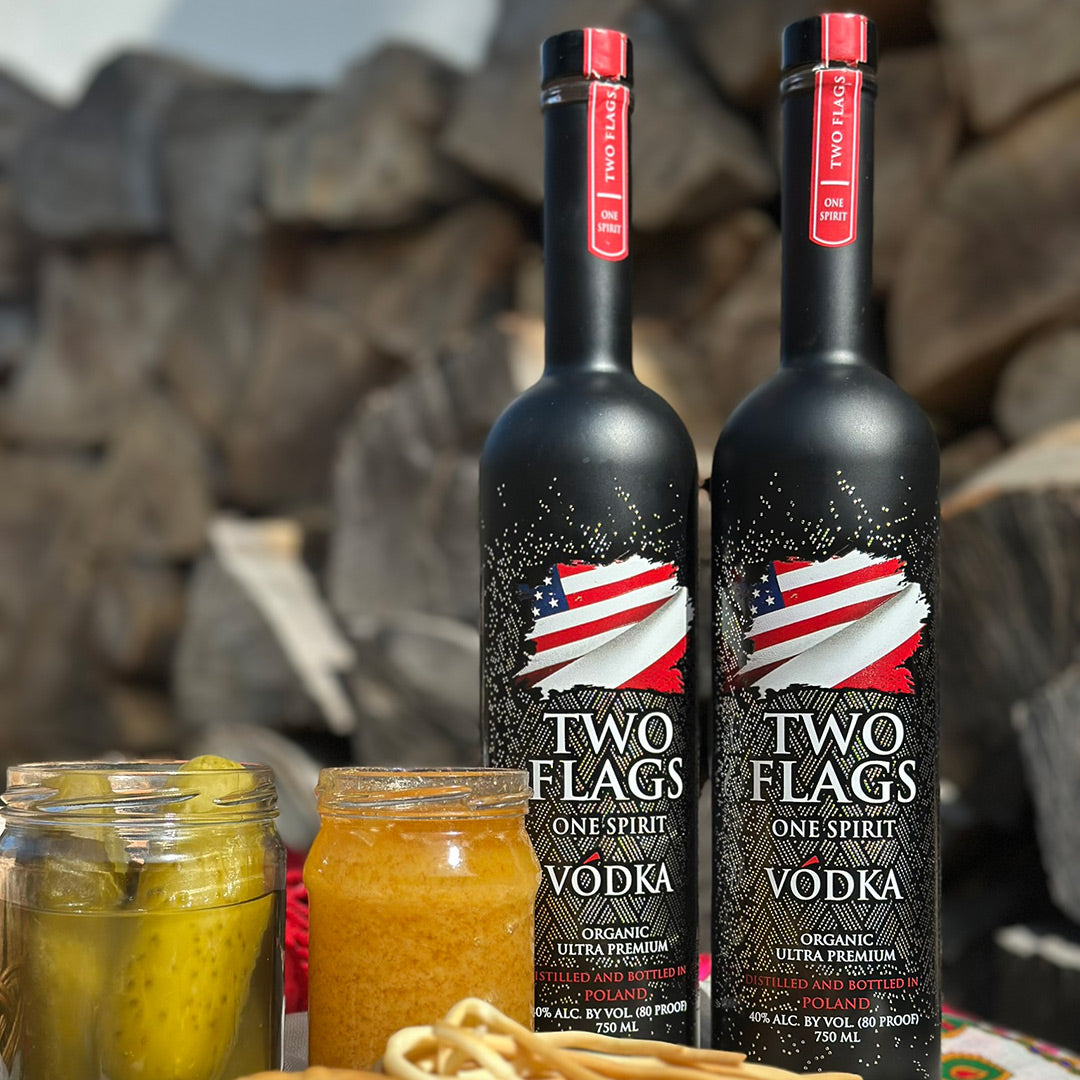
At Two Flags, we are passionate about bringing this philosophy to life. We offer an ultra-premium, organic, gluten-free vodka, authentically crafted in Poland. As a family-owned Polish-American brand, we are proud to have our vodka recognized as "Exceptional" by the Beverage Testing Institute. We believe in delivering luxury quality at an unbeatable value, making exceptional vodka accessible right here in Chicagoland. You can find our vodka in many locations, including Arlington Heights, Barrington, Chicago, Crystal Lake, Des Plaines, Elk Grove Village, Glenview, Hawthorn Woods, Kildeer, Lake Zurich, Long Grove, Buffalo Grove, Northbrook, Palatine, Mount Prospect, Schaumburg, Wood Dale, Melrose Park, Franklin Park, Park Ridge, Elmhurst, Roselle, Glendale Heights, Bloomingdale, Streamwood, Rolling Meadows, Lincolnshire, Hawthorn Woods, Schiller Park, Norridge, River Grove, Elmwood Park, Prospect Heights, South Barrington, Deerfield, Riverwoods, Niles, Addison, Itasca, and Bensenville.
We invite you to experience the difference that genuine quality and a commitment to authenticity can make. Find how we bring the best of both worlds—traditional Polish craftsmanship and modern American sensibilities—to your glass. For more on our dedication to quality, explore From Farm to Glass: The Best Organic and Natural Vodkas.



Zostaw komentarz
Ta strona jest chroniona przez hCaptcha i obowiązują na niej Polityka prywatności i Warunki korzystania z usługi serwisu hCaptcha.