


Why Your Cocktail Glass Deserves a Grain-Free Upgrade
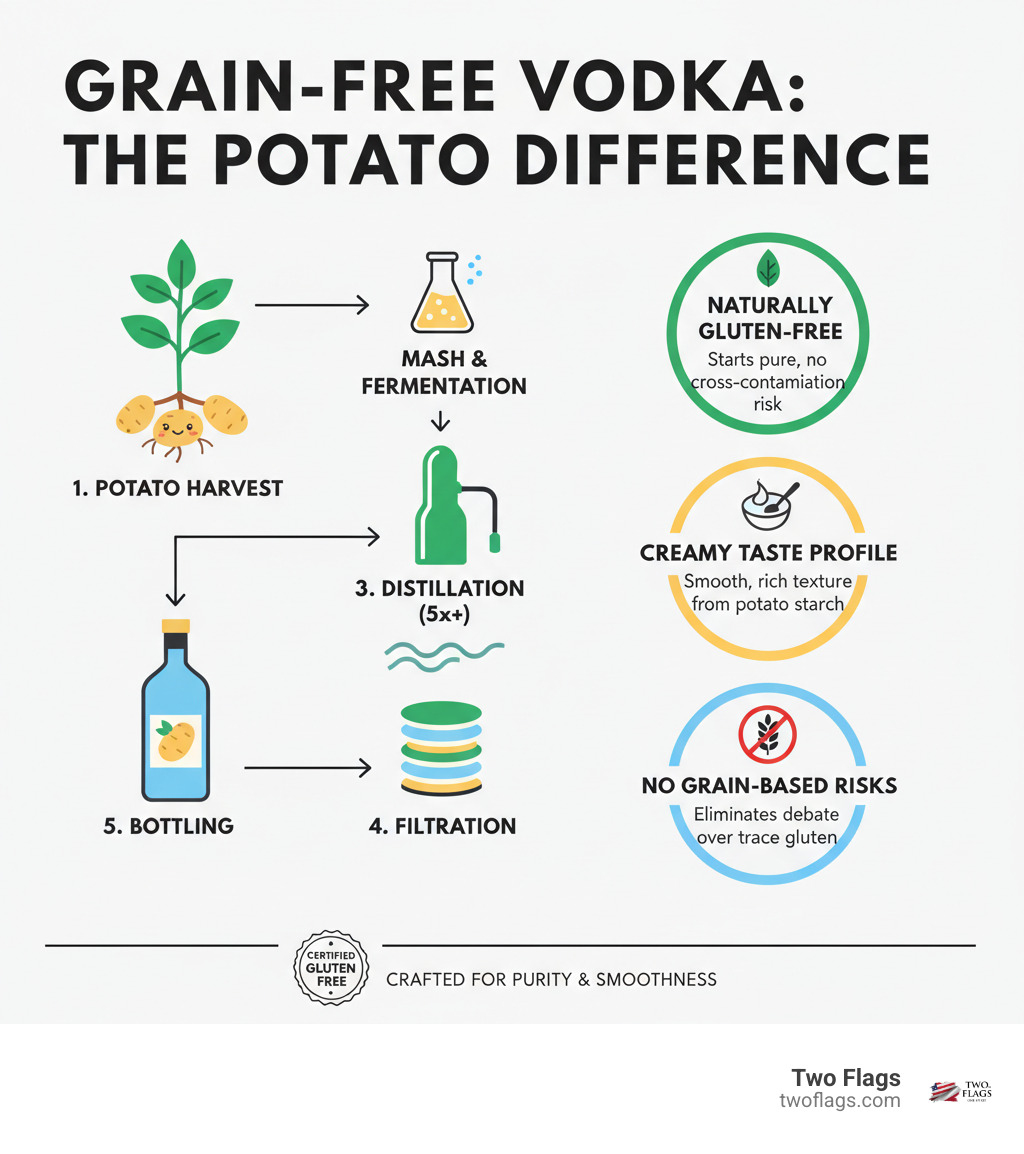
Best grain free vodka options are made from non-grain sources like potatoes, grapes, or corn, making them naturally free from gluten. For those with celiac disease or gluten sensitivity, these vodkas are the safest choice, eliminating risks of cross-contamination or residual gluten.
Top Grain-Free Vodka Characteristics:
- Base Ingredient: Made from potatoes, grapes, or corn (not wheat, rye, or barley)
- Taste Profile: Potato vodkas offer a creamy, smooth finish; grape-based vodkas provide a lighter, slightly fruity note
- Safety: No risk of gluten cross-contamination during production
- Quality Indicators: Look for organic certification, multiple distillations (5+), and awards from spirit competitions
- Certification: Some brands carry gluten-free certification (less than 20 ppm), though truly grain-free vodkas are naturally safe
The shift to grain-free vodka isn't a trend. With 30% of Americans actively avoiding gluten, the demand is clear. While distillation technically removes gluten from grain-based vodkas, many with celiac disease still report adverse reactions.
The grain-free difference matters because the ingredients never contained gluten. This eliminates debates over distillation, trace proteins, and cross-contamination, offering a clean, safe spirit for sipping or mixing.
Choosing a grain-free option for your martini or Moscow Mule means sipping with confidence. Plus, premium grain-free vodkas often deliver superior taste and smoothness, so you don't have to compromise on quality.
Related content about best grain free vodka:
The Gluten-Free Vodka Landscape: Separating Fact from Fiction
When exploring vodka and gluten, the conversation gets complicated. It involves regulations, the science of distillation, and the lived experiences of people with celiac disease. Understanding this landscape is key to finding the best grain free vodka that gives you confidence in your cocktail.
According to the Alcohol and Tobacco Tax and Trade Bureau (TTB) and the FDA, all properly distilled spirits are considered gluten-free, even when made from wheat, rye, or barley. The logic is that distillation removes gluten proteins to below the 20 parts per million (ppm) threshold, allowing a "gluten-free" label.
However, theory and reality can differ. Some people with celiac disease or severe gluten sensitivity still experience adverse reactions to vodkas distilled from gluten-containing grains. The cause is unclear—it could be trace gluten peptides, cross-contamination, or other compounds. This makes it more than just a regulatory question. For a deeper look, check out our article: The Truth About Gluten in Vodka: A Clear Explanation.
The bottom line is that marketing claims don't always tell the full story, and what's "safe" by regulation might not feel safe for your body.
The Distillation Debate: Is Grain-Based Vodka Ever Truly Safe?
This question is at the heart of the grain-free movement. While regulators say distillation removes gluten, many celiac organizations and doctors advise caution, recommending vodkas from naturally gluten-free sources like potatoes or grapes.
The concern is real. Residual gluten fragments could trigger a response in sensitive individuals, and cross-contamination is a risk in facilities handling both grain and non-grain spirits. For those with celiac disease, even trace amounts matter.
This is why we believe 100% grain-free is the safest choice. When vodka starts with ingredients that never contained gluten—like the organic potatoes we use at Two Flags—there's no debate about distillation effectiveness. There is simply no gluten to worry about. For more on this, read our piece: Vodka and Gluten: Separating Fact from Fiction.
Reading the Label: How to Verify a Truly Grain-Free Vodka
Deciphering labels in the liquor store can be overwhelming. Knowing what to look for makes finding the best grain free vodka much easier.
Look for explicit base ingredient statements. A label declaring "made from potatoes," "grape-based vodka," or "corn-based vodka" is the clearest sign of a truly grain-free spirit. At Two Flags, we're transparent: our vodka is made from 100% organic potatoes.
"Gluten-Free" certification offers assurance, but it's important to know what it means. The TTB allows this claim on distilled grain-based vodkas testing below 20 ppm. Certifications from groups like the Gluten-Free Certification Organization (GFCO), which test for less than 10 ppm, offer an extra layer of confidence, especially when paired with a grain-free base.
Organic certification signals a commitment to quality and purity that aligns with grain-free values. Non-GMO verification is another positive indicator of a brand's dedication to clean, transparent production. We're proud to use organic, non-GMO potatoes because you deserve to know what you're drinking.
A vodka can be labeled "gluten-free" even if made from wheat. For a truly grain-free vodka, you must confirm the base ingredient. Don't rely on buzzwords; look for clear statements to find the safest options. For more guidance, this resource is helpful: What to know about gluten-free vodka.
Beyond the Grain: The Potato Vodka Advantage
When we set out to create the best grain free vodka, our goal was exceptional quality, not just grain avoidance. That search led us straight to potatoes.

While vodka can be made from many sources, potatoes hold a special place in premium spirits. Polish distillers have used them for generations for a simple reason: they produce superior vodka.
Potatoes naturally create a clean, smooth spirit with less harshness, making for a luxurious final product. We believe grains are for whiskey; potatoes are the ideal foundation for vodka.
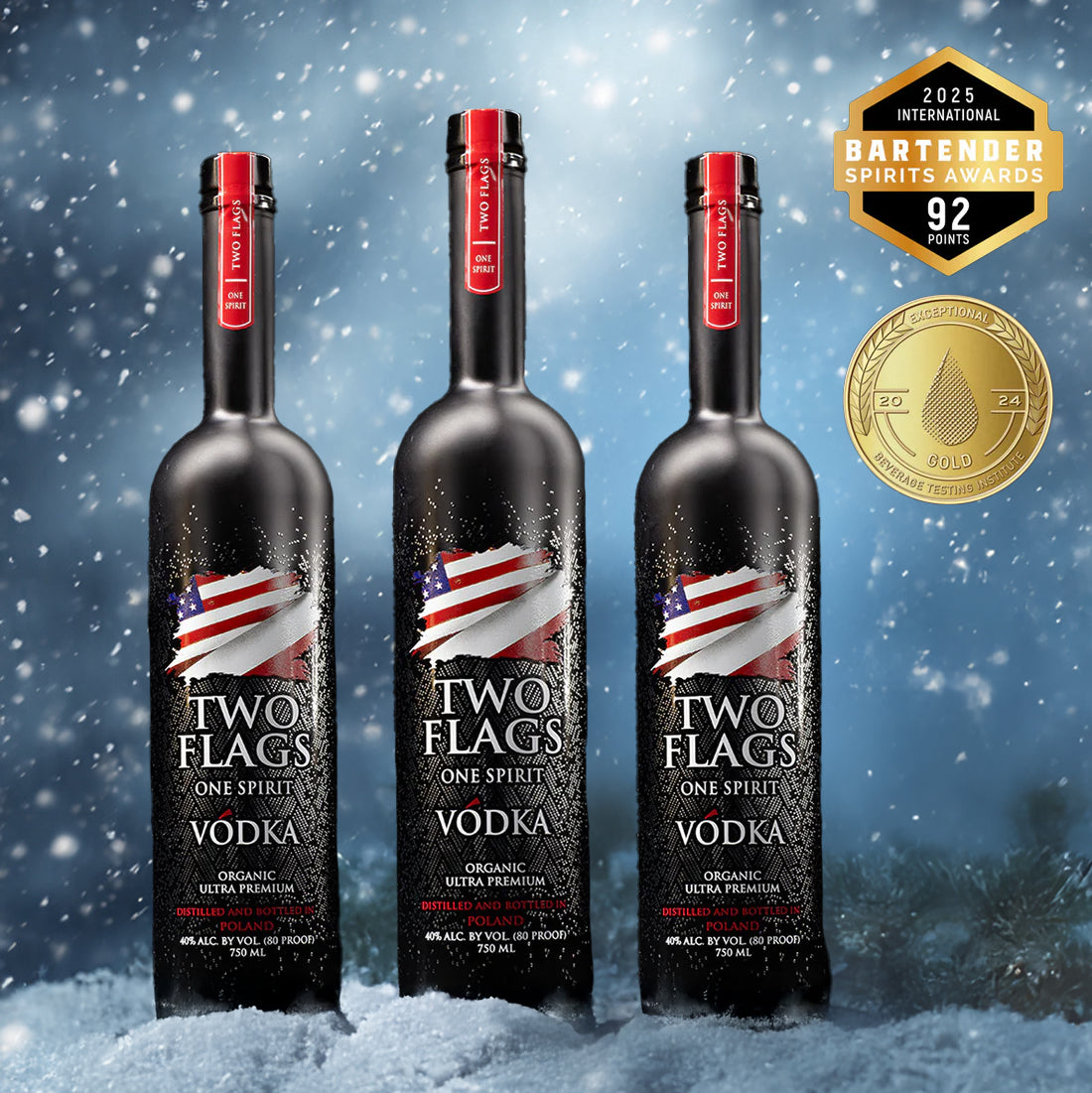
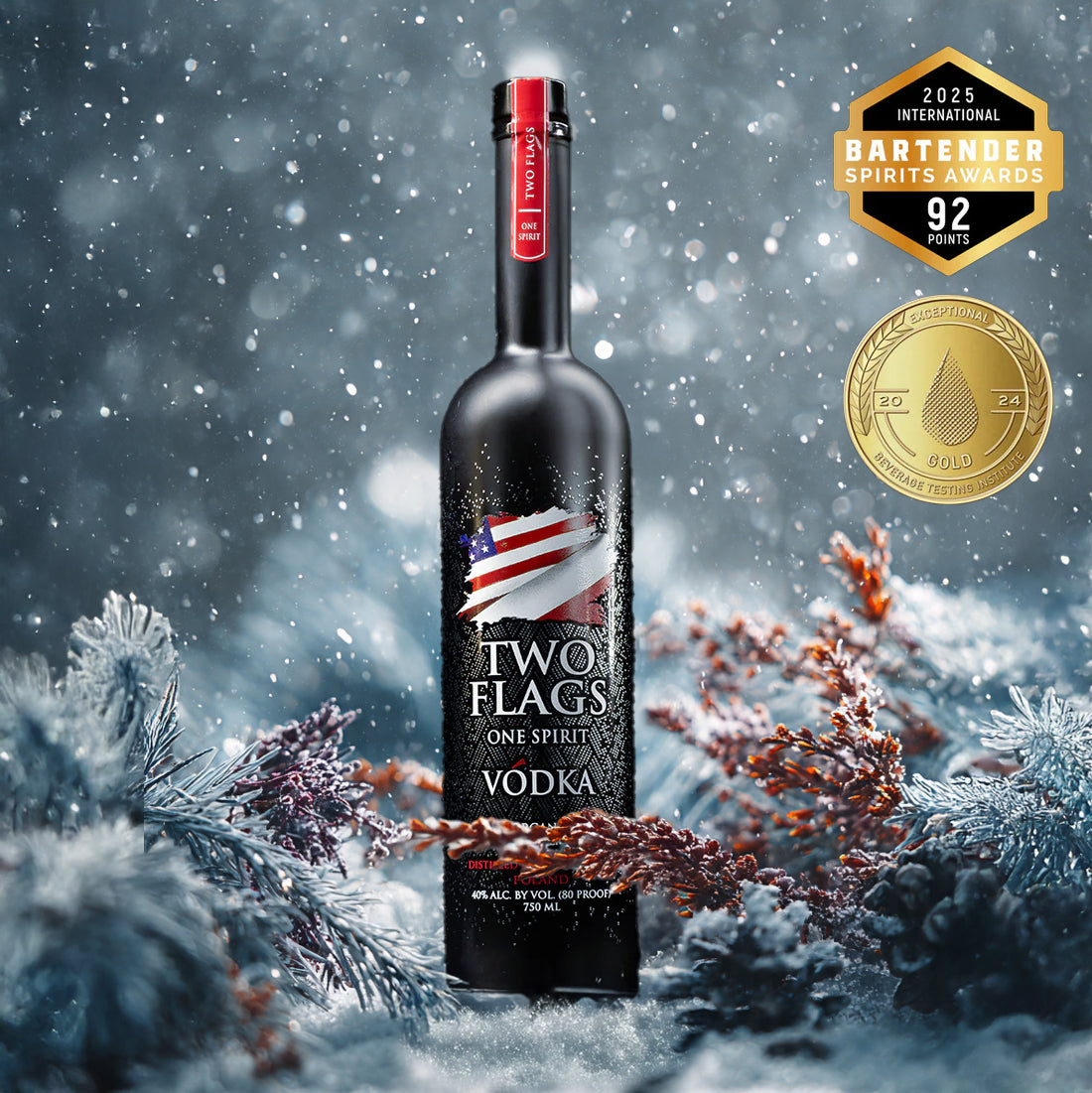
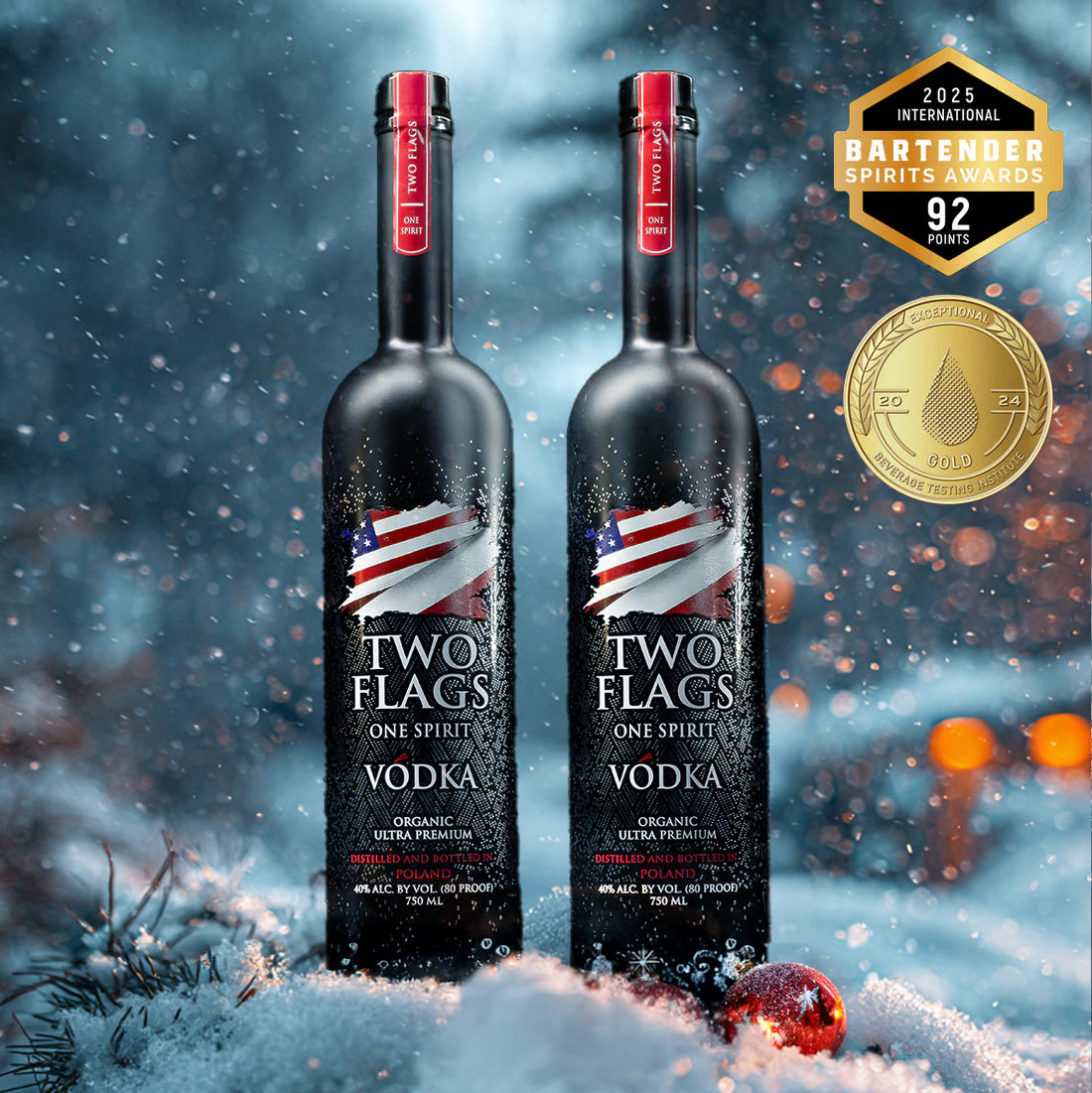
The taste difference is noticeable. Potato-based vodka delivers a naturally smoother finish than most grain alternatives. This quality advantage is why our Two Flags Vodka earned an "Exceptional" rating from the Beverage Testing Institute.
For a deeper exploration of potato-based spirits, check out The Ultimate Guide to Potato-Based Liquors: Beyond the Mash.
Potato Vodka: The Creamy, Classic Choice
What sets potato vodka apart? Texture, taste, and tradition.
The natural starches in potatoes create an incredibly smooth spirit during distillation. This smoothness is a natural quality, not the result of additives.
Potato vodka is known for a luxurious, creamy mouthfeel. This genuine characteristic provides a velvety texture, making for a refined sipping experience.
Another distinctive trait is the slightly sweet finish that potato vodka naturally provides. This makes it exceptionally versatile in cocktails, as it improves other flavors rather than competing with them.
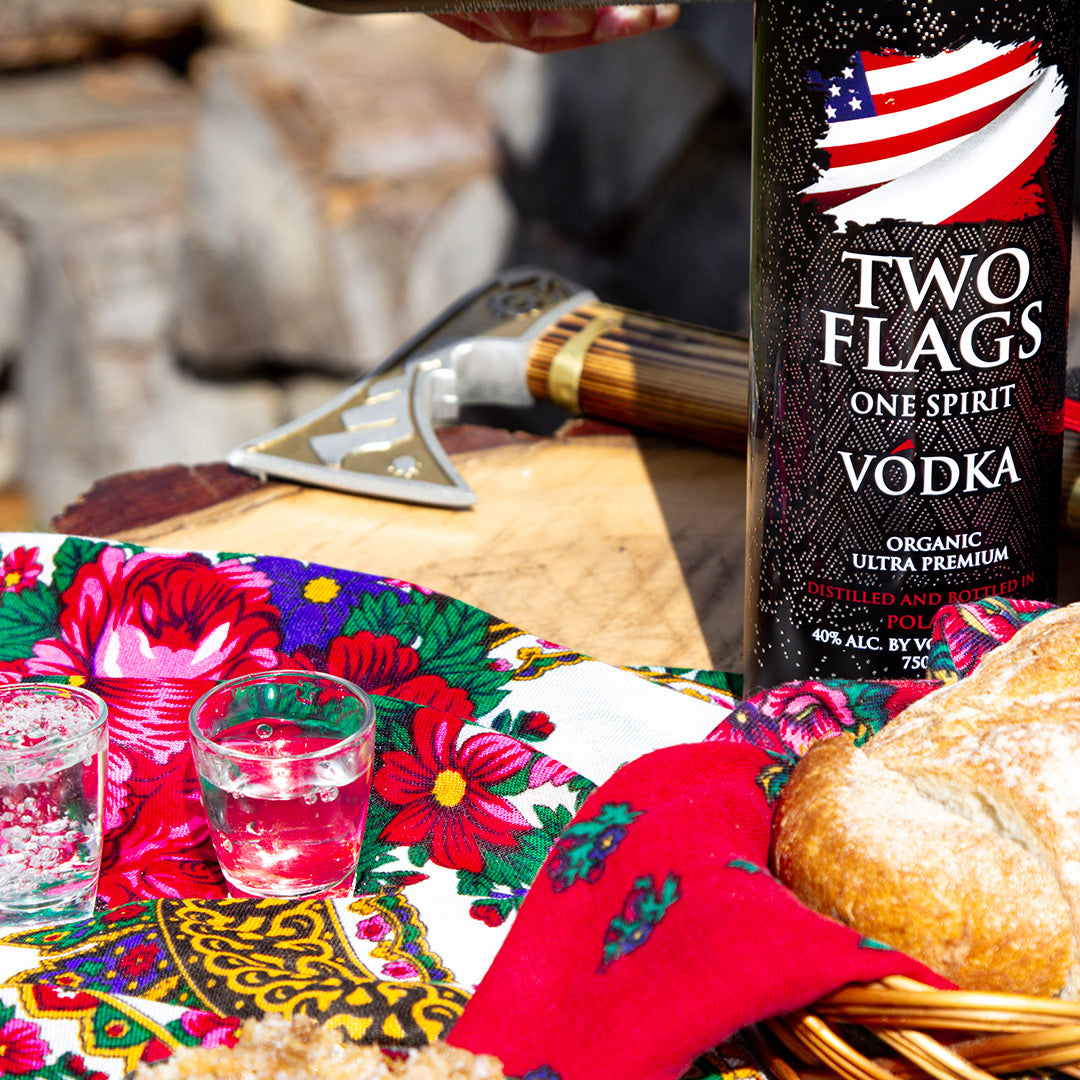
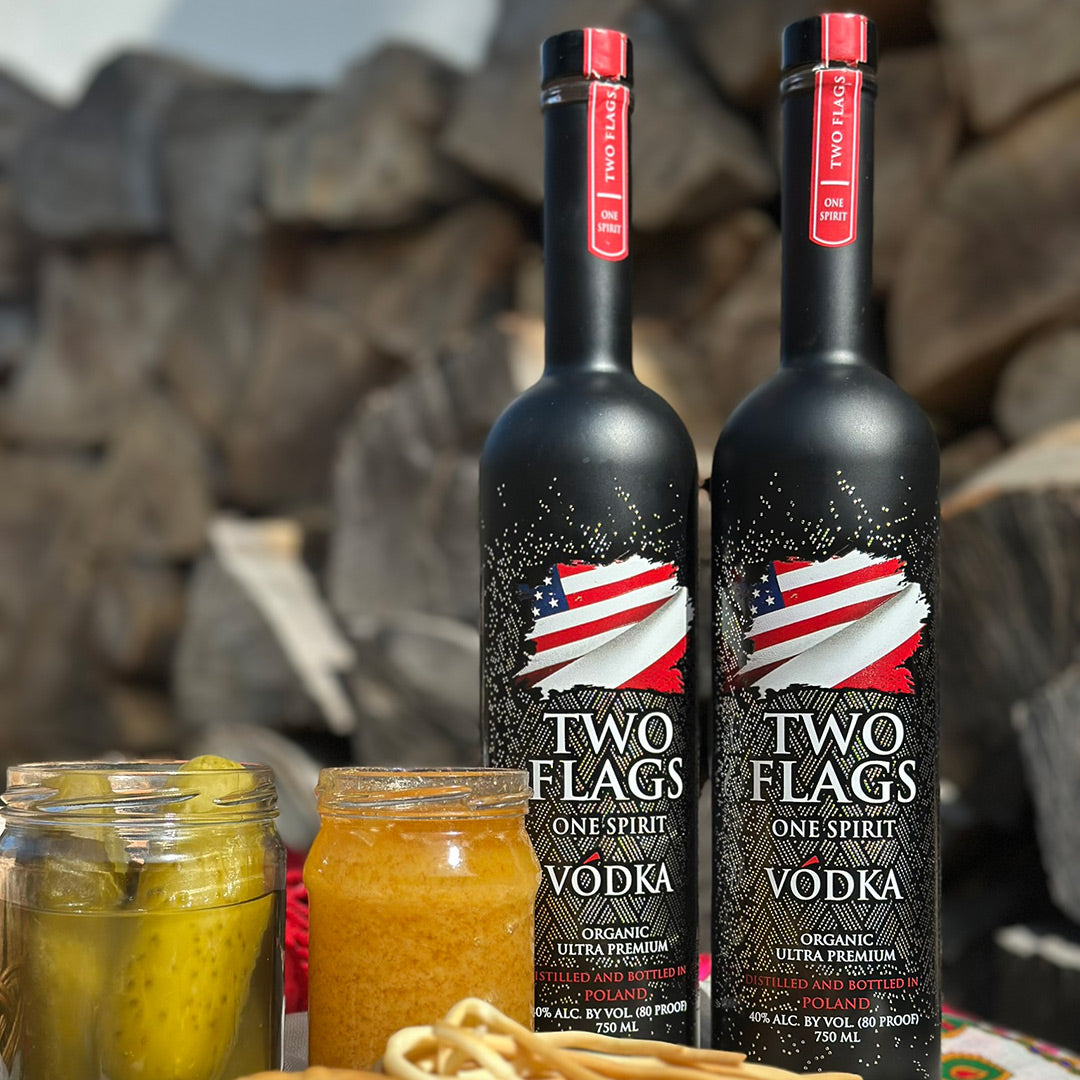
This method has deep roots in Polish vodka heritage. As the birthplace of vodka, Poland perfected potato distillation over centuries. At Two Flags Vodka, we proudly continue this authentic tradition for our customers throughout Chicagoland.
If you're curious about how these simple ingredients are transformed, we invite you to explore Unearthing the Process: Making Liquor from Potatoes.
A Guide to Finding the Best Grain-Free Vodka
Searching for the best grain free vodka is a personal journey. It's about understanding the details that transform a good spirit into an exceptional one, long before it's bottled.
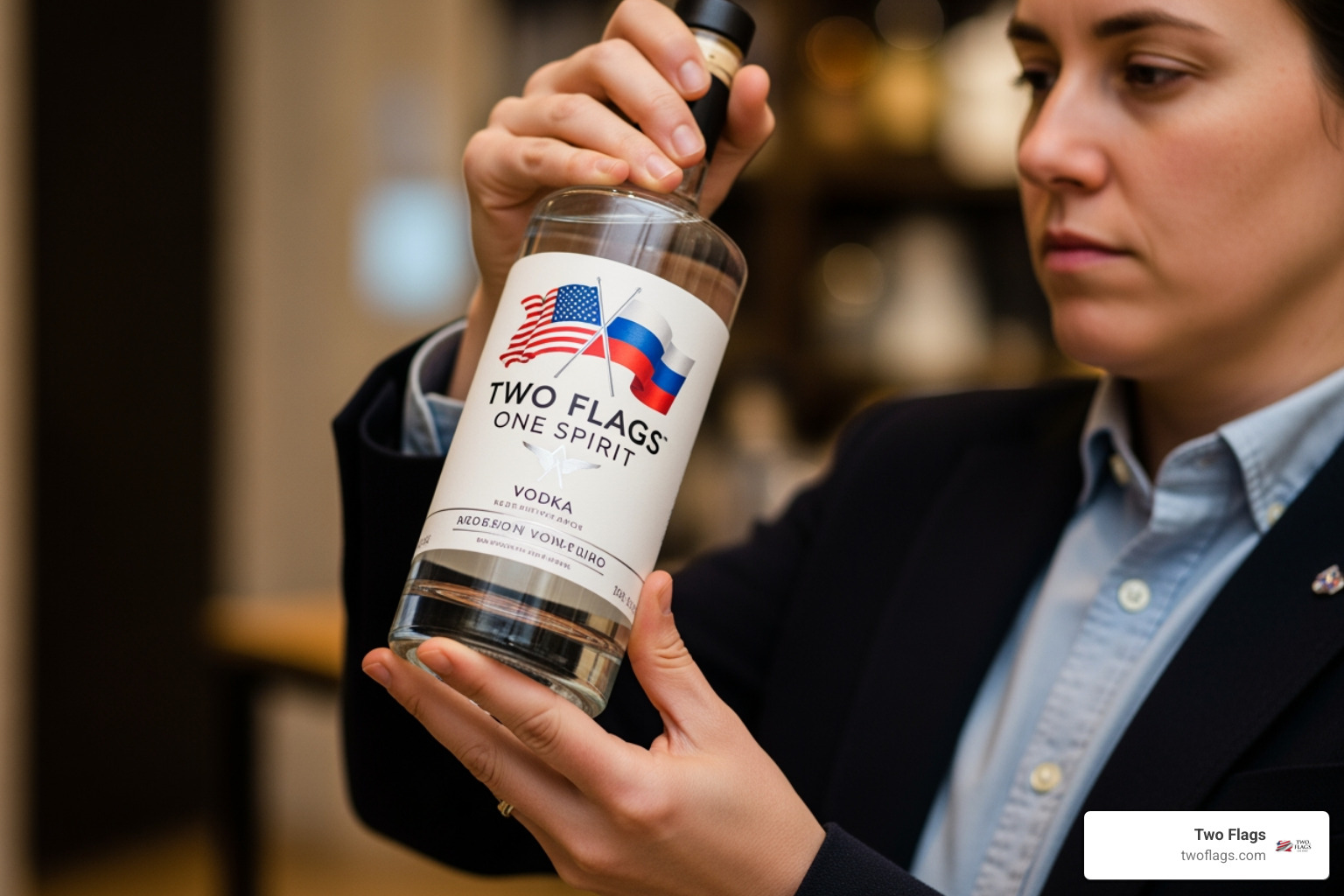
Several factors define a great vodka. The base ingredient is foundational; potato vodkas offer a creamy texture, while corn-based options have a different character. The distillation count is key for purity, with more distillations generally leading to a smoother spirit. The water source is also vital, as its quality directly impacts taste. Finally, filtration methods refine the vodka, contributing to a silky finish.
Awards and ratings from respected competitions like the Beverage Testing Institute offer valuable, independent validation of a vodka's quality from industry experts.
Consider price versus value. While premium grain-free vodkas can cost more, the quality is often undeniable. The key is finding a spirit where exceptional craftsmanship and fair pricing meet, justifying the investment with superior taste.
For additional insights, our guide Sip Smart: Discovering the Best Grain-Free Vodkas offers a deeper exploration.
What to Look for in the Best Grain-Free Vodka
Identifying the best grain free vodka is easier when you know the key quality indicators you can actually taste.
- Single-origin ingredients ensure consistency and purity from a specific, carefully selected source.
- Organic certification is a commitment to ingredients grown without synthetic pesticides, resulting in a cleaner spirit.
- Ultra-premium quality means every step of production meets the highest possible standards, as reflected in our "Exceptional" rating from the Beverage Testing Institute.
- A truly smooth finish without any harsh burning sensation separates great vodka from the rest.
- Exceptional ratings from industry critics provide independent, professional validation of a spirit's excellence.
When you find a vodka embodying these characteristics, you're investing in an experience that honors both tradition and quality.
How to Taste Vodka Like a Pro
Tasting vodka like a pro is about slowing down to notice the subtle complexities in a well-crafted spirit.
- Glassware: Use a tulip-shaped glass to concentrate aromas.
- Temperature: Taste at room temperature (or slightly cool) to reveal the vodka's true character, as extreme cold numbs the palate.
- Aroma: Swirl gently and hover your nose over the rim. A quality potato vodka like Two Flags presents clean, slightly sweet, and earthy notes.
- Mouthfeel: Take a small sip. Is it smooth and creamy or thin and harsh? Our potato-based vodka delivers a luxurious, creamy texture.
- Finish: Pay attention to the aftertaste. A quality vodka has a clean, crisp finish, not a harsh burn.
These techniques help you understand why certain bottles command premium prices while others don't.
Mastering the Art of the Gluten-Free Cocktail
You've found the best grain free vodka; now let's build the perfect gluten-free cocktail. This means considering every ingredient, from mixers to garnishes.

- Mixer Safety: Plain mixers like fresh juice and seltzer are usually safe. For specialty items like ginger beer or Worcestershire sauce, always read the label to check for hidden gluten, as recipes can change.
- Syrups and Juices: Stick with fresh-squeezed juices and homemade simple syrup (sugar and water). Be cautious with store-bought flavored syrups, which may contain gluten.
- Garnish Considerations: Fresh fruits, herbs, and vegetables are naturally gluten-free. Ensure they are washed and handled separately from gluten-containing foods.
- Cross-Contamination in Bars: When out in Chicagoland, be aware of cross-contamination from shared shakers or cutting boards. Politely ask your bartender to use clean tools. Most are happy to accommodate to ensure your drink is safe.
For more insights on gluten-free drinking, check out our guide: Beyond Beer: Discovering Your Gluten-Free Drink Options.
Classic Cocktail Recipes, Reimagined
With Two Flags One Spirit, you can recreate classic cocktails that are completely gluten-free. Here are four timeless recipes that showcase our potato vodka's smooth character.
- The Perfect Martini: Stir 2.5 oz of Two Flags One Spirit and 0.5 oz of dry vermouth (gluten-free) with ice. Strain into a chilled martini glass and garnish with a lemon twist or a gluten-free olive.
- The Ultimate Vodka Soda: Pour 2 oz of Two Flags One Spirit over ice in a highball glass, top with 4-6 oz of seltzer, and squeeze in a fresh lime wedge.
- The Refreshing Moscow Mule: In a copper mug with ice, combine 2 oz of Two Flags One Spirit, 0.5 oz of fresh lime juice, and 4-6 oz of gluten-free ginger beer. Garnish with a lime wedge and mint.
- The Bold Bloody Mary: In a glass with ice, combine 1.5 oz of Two Flags One Spirit, 3-4 oz of gluten-free tomato juice, 0.5 oz of fresh lemon juice, a dash of gluten-free Worcestershire sauce, and hot sauce to taste. Garnish with a celery stalk and olive.
Each of these cocktails proves that choosing the best grain free vodka means making smarter choices so you can enjoy every sip with confidence.
Frequently Asked Questions about Grain-Free Vodka
Here are answers to the most common questions about finding the best grain free vodka.
Does the base ingredient really change the taste of vodka?
Yes, absolutely. While vodka aims for neutrality, the base ingredient leaves a distinct mark on the final taste and texture. Our potato-based Two Flags One Spirit has a naturally creamy, smooth mouthfeel and a slightly sweet finish—the signature of a quality potato vodka.
Vodkas made from grapes tend to be lighter and crisper, while corn-based vodkas often present more sweetness. The distillation process aims for purity, but it doesn't erase the character of the source material. Understanding these differences helps you find the vodka that best matches your palate.
Is all "gluten-free" vodka also "grain-free"?
No, this is a common point of confusion. "Gluten-free" and "grain-free" are not interchangeable. A vodka can be distilled from wheat or rye and still be labeled "gluten-free" under TTB regulations, as the process is designed to remove gluten proteins.
However, those with high gluten sensitivity may still react to these grain-based vodkas due to trace peptides or cross-contamination. This is why truly grain-free vodka offers peace of mind. When you choose a vodka made from potatoes, like our Two Flags One Spirit, there's no gluten to remove in the first place.
If you prefer to avoid grains, always check that the vodka explicitly states its base ingredient on the label. That's your guarantee of a truly grain-free spirit.
Does grain-free vodka cost more?
Not necessarily. A vodka's price depends on factors like ingredient quality, the number of distillations, filtration methods, and branding—not just its grain-free status.
Quality of ingredients, such as organic potatoes, and meticulous production processes contribute to the cost. Some brands also charge a premium for marketing and packaging.
At Two Flags Vodka, our mission is to offer luxury quality at an unbeatable value. We use organic potatoes and meticulous processes to create an "Exceptional" rated spirit that is priced competitively. Choosing the best grain free vodka shouldn't be a strain on your budget.
The bottom line is to focus on quality indicators like ratings, organic certification, and taste reviews rather than assuming grain-free automatically means expensive.
Conclusion: Raise a Glass to Clean, Confident Sipping
Choosing the best grain free vodka is about more than a dietary need; it's about understanding quality and taking control of what you drink, so you can enjoy every sip without worry.
While distillation can remove gluten from grains, starting with naturally gluten-free ingredients like potatoes offers complete peace of mind. It eliminates any debate over residual gluten or cross-contamination.
The source ingredient also shapes the vodka's character. Potato vodkas like our Two Flags One Spirit offer a creamy, smooth texture and subtle sweetness, making them exceptional for sipping and cocktails. This quality comes from choosing the right foundation and a respectful distillation process.
This knowledge is empowering for anyone with gluten sensitivity. You can choose a spirit that is unquestionably safe. For those simply seeking quality, grain-free vodkas often provide a superior drinking experience.
Here in Chicagoland, Two Flags Vodka offers an ultra-premium, organic, potato-based spirit that honors authentic Polish craftsmanship. Our "Exceptional" rating from the Beverage Testing Institute is our promise of luxury quality at a great value. As a family-owned Polish-American brand, we believe everyone deserves access to clean, smooth vodka.
Everyone deserves the joy of a safe cocktail. With a truly grain-free vodka, you can focus on the moment, the flavors, and the company you're with. That's the confidence we want to bring to your glass.
So the next time you're shopping, remember what you've learned. Look for a clear statement of base ingredients, check for organic certification, and choose a vodka that aligns with your values and taste. Your cocktail glass—and your body—will thank you.
If you'd like to dive deeper, we encourage you to read The Truth About Gluten in Vodka: A Clear Explanation. Here's to clean, confident sipping. Na zdrowie!




Leave a comment
This site is protected by hCaptcha and the hCaptcha Privacy Policy and Terms of Service apply.