Understanding the Spirit Behind Your Spirits
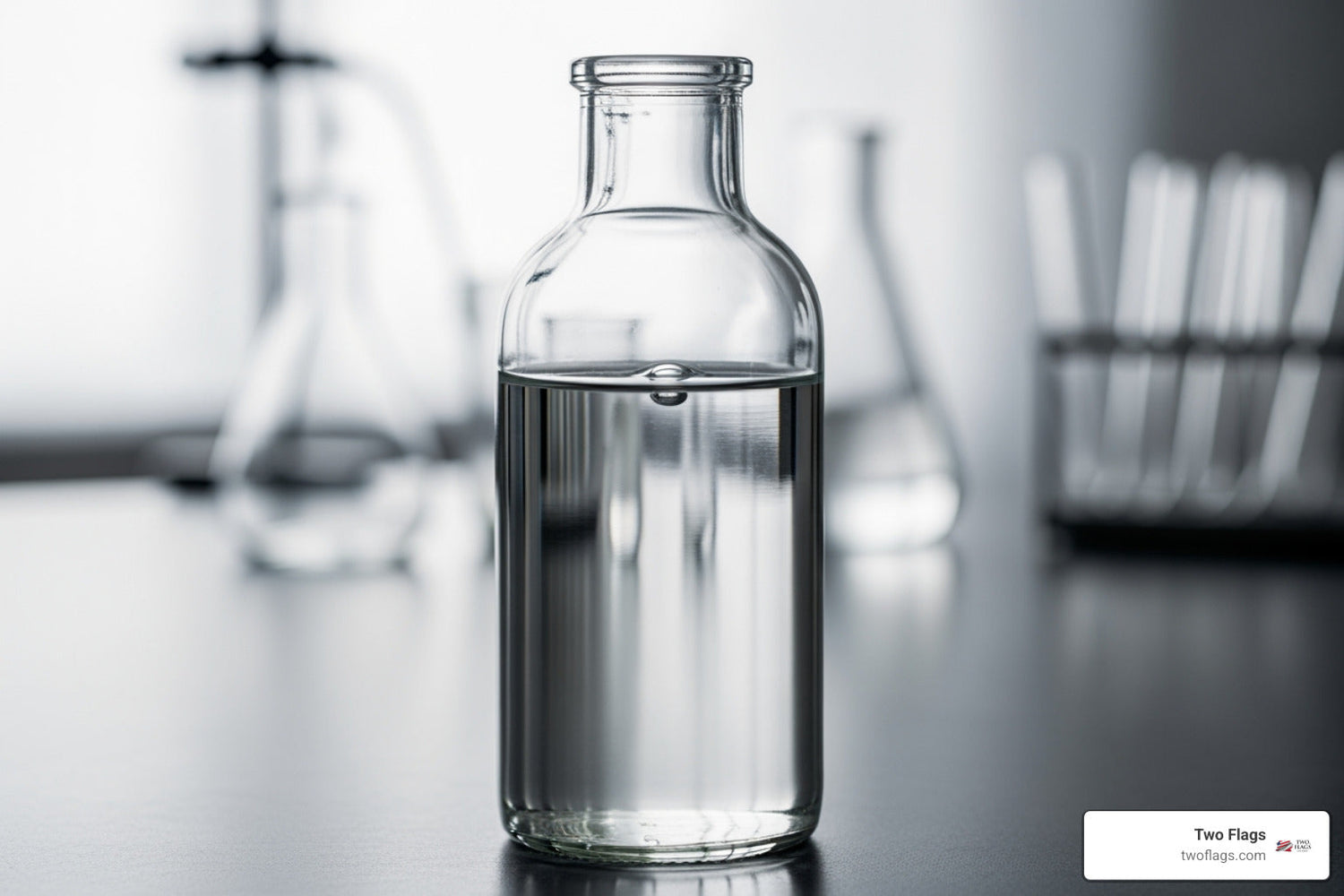
Neutral alcohol is a highly purified, concentrated form of ethanol—typically 95% ABV or higher—that serves as the foundational base for many spirits. Known as rectified spirit or ethyl alcohol of agricultural origin, it's characterized by being nearly odorless, tasteless, and colorless.
Key Facts About Neutral Alcohol:
- Purity Level: Distilled to at least 95% ABV (190 proof)
- Primary Sources: Grains (wheat, corn, rye), grapes, potatoes, sugarcane, or molasses
- Main Uses: Base for vodka, gin, liqueurs, and bitters; also used in food extracts, pharmaceuticals, and cosmetics
- Key Types: Grain Neutral Spirit (GNS), Grape Neutral Spirit, Potato Neutral Spirit, Molasses-based Spirit
- Production Method: Continuous column distillation followed by rectification to remove impurities
Neutral alcohol is the blank canvas of the spirits world. It's the pure ethanol that distillers transform into the beverages we know and love. Despite its name, its production requires sophisticated distillation techniques to achieve remarkable purity. In Poland, where vodka-making is an art, this process is refined to near perfection.
Beyond beverages, it plays a crucial role in pharmaceuticals, perfumery, and food flavorings. However, many misunderstand neutral alcohol. While it is highly purified, it still contains ethanol, which carries the same health risks regardless of how "clean" the spirit appears.

Similar topics to neutral alcohol:
What is Neutral Alcohol?
Ever wondered what makes some spirits so incredibly clean and crisp? It all starts with neutral alcohol. Also known as rectified spirit or ethyl alcohol of agricultural origin, it's a super-pure form of ethanol designed to be practically odorless, tasteless, and colorless. This purity is achieved through a thorough distillation process that removes nearly all impurities and flavors from its source.
When we say neutral alcohol, we mean spirits distilled to at least 95% alcohol by volume (ABV), or 190 proof. This high proof means it’s almost pure ethyl alcohol, with the remainder being mostly water. The goal is to create an alcohol so clean it doesn't impart any character to its final application, making it a vital ingredient for drinks and many other products. To dive deeper, resources like The Oxford Companion to Spirits and Cocktails Definition of neutral spirits highlight its role as the purest mass-distillable ethyl alcohol.
Defining the Purest Spirit
The definition of neutral alcohol is also legal. In the United States, a neutral spirit must be distilled from any material to at least 95% ABV and bottled at 40% ABV or higher. The European Union has its own strict guidelines for "ethyl alcohol of agricultural origin," requiring a minimum strength of 96.0% ABV for use in certain spirit drinks, along with meeting strict standards for taste, smell, and purity. At Two Flags, we adhere to these high standards, leveraging Poland's long history of producing exceptional neutral spirits.
Achieving this purity is a science. Regular distillation hits a ceiling around 97.2% ABV due to the azeotrope limit, where alcohol and water bond. Modern distilleries, especially in Poland, use continuous multi-column stills to push this limit, often reaching 96–96.5% ABV. This process removes most unwanted compounds, called congeners, leaving a pure spirit. For more on the basics, you can explore More info about the basics of spirits.
From Grains to Grapes: Types of Neutral Spirits
Though all neutral alcohol aims for purity, it can be made from various agricultural ingredients. The starting material can lend a subtle hint to the final spirit, and the choice often depends on local availability, cost, and desired qualities.
Here’s a quick look at common types:
| Type of Neutral Spirit | Primary Raw Materials | Typical Characteristics | Common Uses |
|---|---|---|---|
| Grain Neutral Spirit (GNS) | Corn, wheat, barley, rye | Very clean, often a subtle sweetness | Base for vodka (like Two Flags), gin, other spirits |
| Grape Neutral Spirit | Grapes (vinous alcohol) | Can retain a hint of fruitiness | Fortified wines (Port, Sherry), brandy, some liqueurs |
| Potato Neutral Spirit | Potatoes | Often described as having a slightly creamy texture | Vodkas, some specialty spirits |
| Molasses-based Spirit | Sugarcane molasses | Can have a stronger aroma before full rectification | Some rums, industrial alcohol, certain spirits |
| Other Neutral Spirits | Sugar beets, fruit, whey | Varies, but all highly purified | Specialty spirits, industrial applications |
Grain Neutral Spirits (GNS) are the most popular, often made from corn, wheat, or rye. GNS is the clean base for many vodkas and gins. Our Two Flags Vodka, for instance, is made from the finest Polish rye, which gives it a special quality.
Grape Neutral Spirit comes from grapes and can retain a faint fruitiness, making it ideal for fortified wines. Potato Neutral Spirit is known for a creamy texture, perfect for certain vodkas. You can learn more at The Ultimate Guide to Potato-Based Liquors: Beyond the Mash. Finally, Molasses-based Extra Neutral Alcohol (ENA) is derived from sugarcane and is used in spirits and other industries. Regardless of the source, the goal is the same: to create an alcohol that's as close to pure ethanol as possible.
The Production Process: From Field to Flask
Creating neutral alcohol is a journey that transforms humble agricultural ingredients into one of the purest forms of ethanol. It's a process of science and precision, involving several stages designed to strip away impurities and concentrate the alcohol.
Whether starting with rye (like we use for Two Flags Vodka), corn, or potatoes, the principles are the same: convert the raw material into alcohol via fermentation, then concentrate and purify it through distillation and rectification.
Step 1: Fermentation
Fermentation is the biological process where yeast converts sugars into alcohol. For starchy ingredients like grains or potatoes, an extra step called saccharification is needed first. Enzymes are used to break down complex starches into simple sugars that yeast can consume. Sugar-rich materials like grapes or molasses can skip this step.
Once a sugar solution is ready, yeast is introduced. The yeast consumes the sugars, producing ethanol and carbon dioxide. The resulting liquid, or "wash," contains about 5% to 15% alcohol and is the starting point for distillation. You can learn more about this stage in our article Unearthing the Process: Making Liquor from Potatoes.
Step 2: Distillation and Rectification
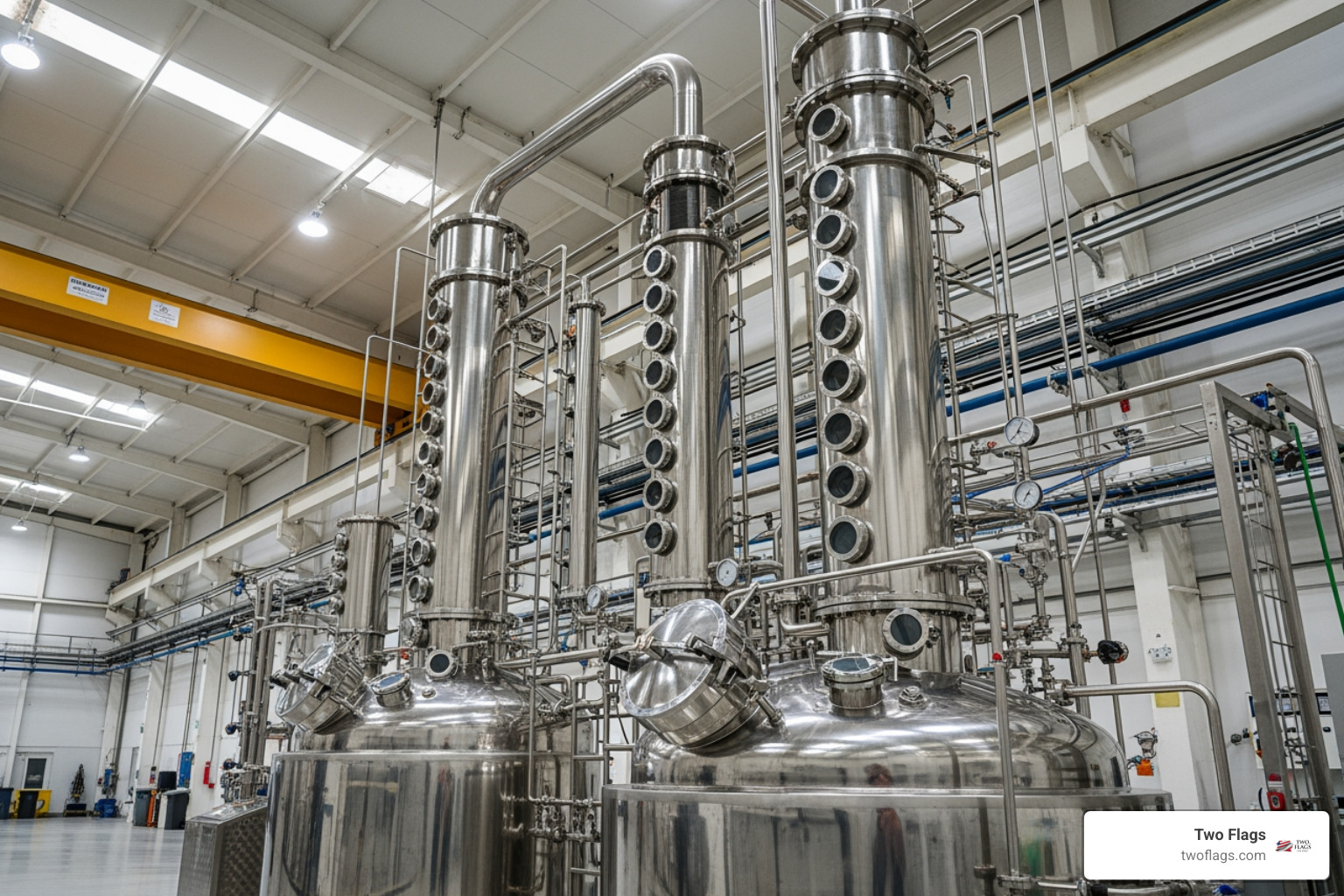
To create neutral alcohol at 95% ABV or higher, the alcohol must be separated from the water and other compounds. This requires continuous column stills, not the pot stills used for more flavorful spirits like whiskey. These tall, efficient towers perform multiple distillations simultaneously.
The fermented wash is heated in the column. Alcohol vaporizes at a lower temperature than water, rising through a series of plates where it repeatedly condenses and re-vaporizes. With each cycle, the alcohol becomes purer.
Distillers carefully separate the different fractions. The initial heads contain volatile compounds like methanol and are discarded. The hearts are the clean, pure ethanol desired for the final product. The final tails contain heavier oils and are also separated.
The final stage, rectification, is an ultra-precise distillation that removes even trace impurities to achieve the 95%+ ABV that defines true neutral alcohol. In Poland, distilleries routinely produce spirits at 96-96.5% ABV. This meticulous process yields an odorless, tasteless, and colorless spirit—the perfect blank canvas for creating vodka of exceptional quality. For a deeper dive, check out Vodka's Journey: A Step-by-Step Guide to How It's Crafted.
The Versatile Uses of Neutral Alcohol
The amazing thing about neutral alcohol is its versatility. Because it's so pure and doesn't have its own flavor, it's an incredibly valuable ingredient in a huge variety of products, allowing other flavors to shine.
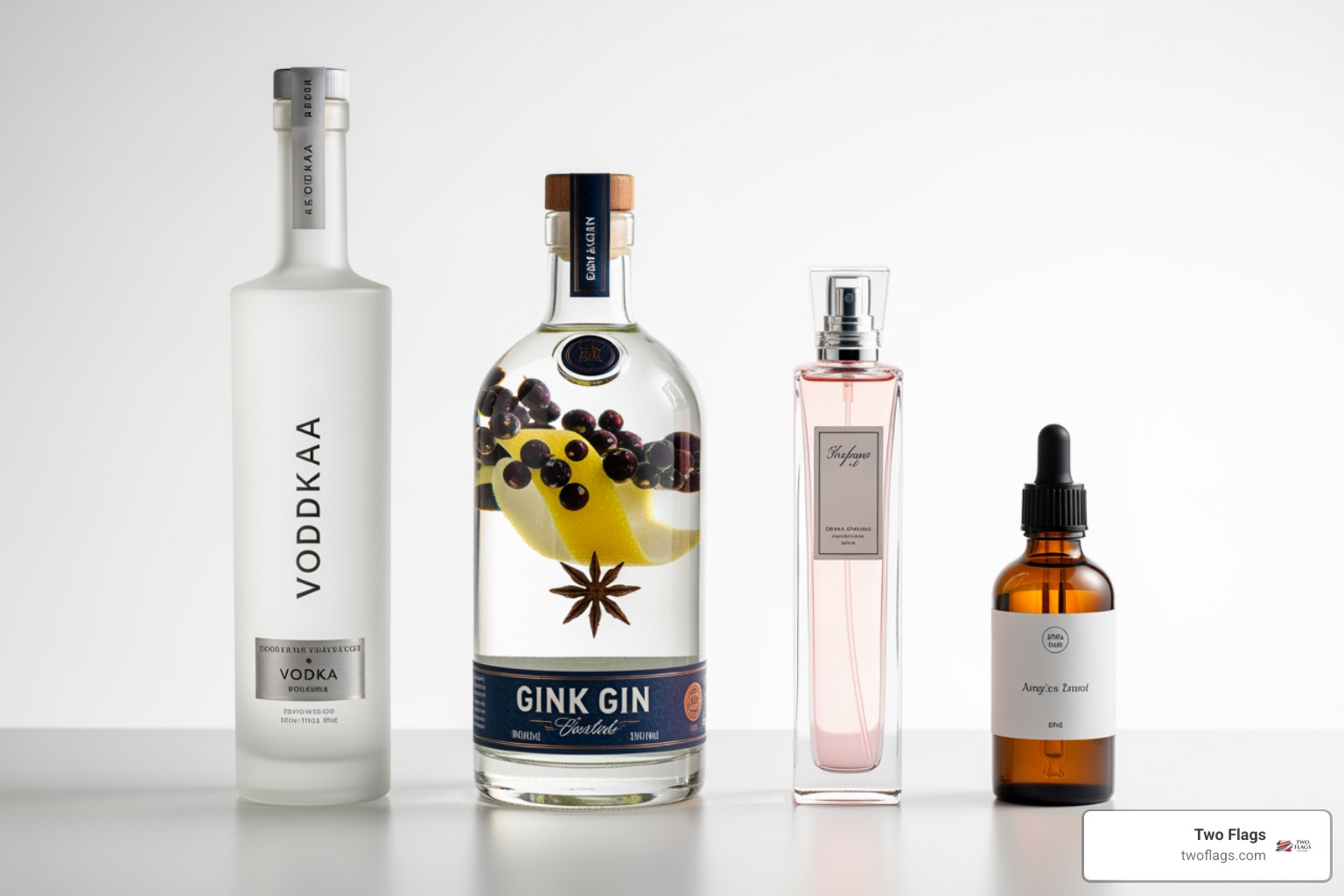
From spirits to food, pharmaceuticals, and cosmetics, neutral alcohol quietly works its magic.
The Foundation of Your Favorite Spirits
Many beloved drinks wouldn't exist without this clear, pure base.
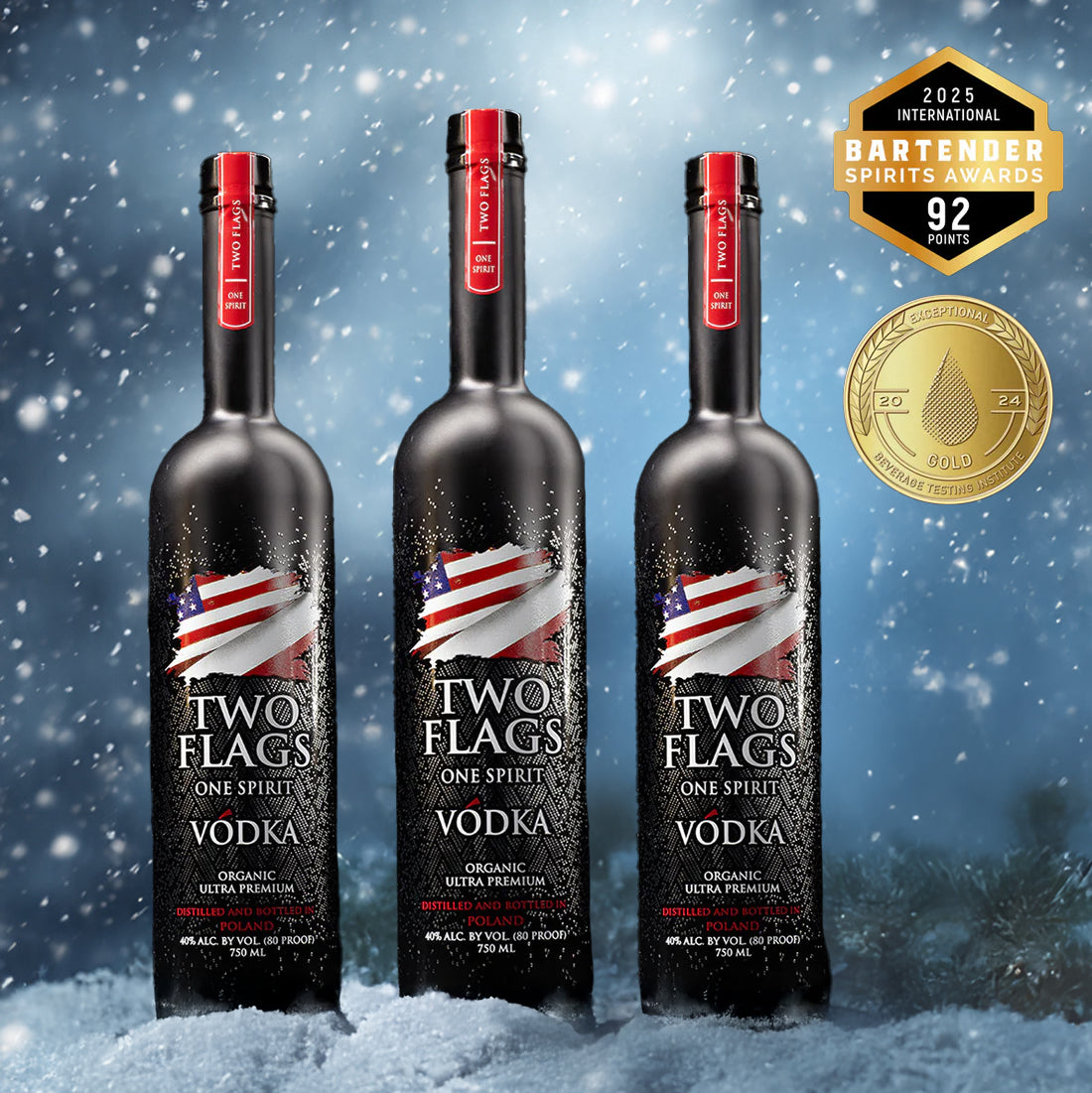
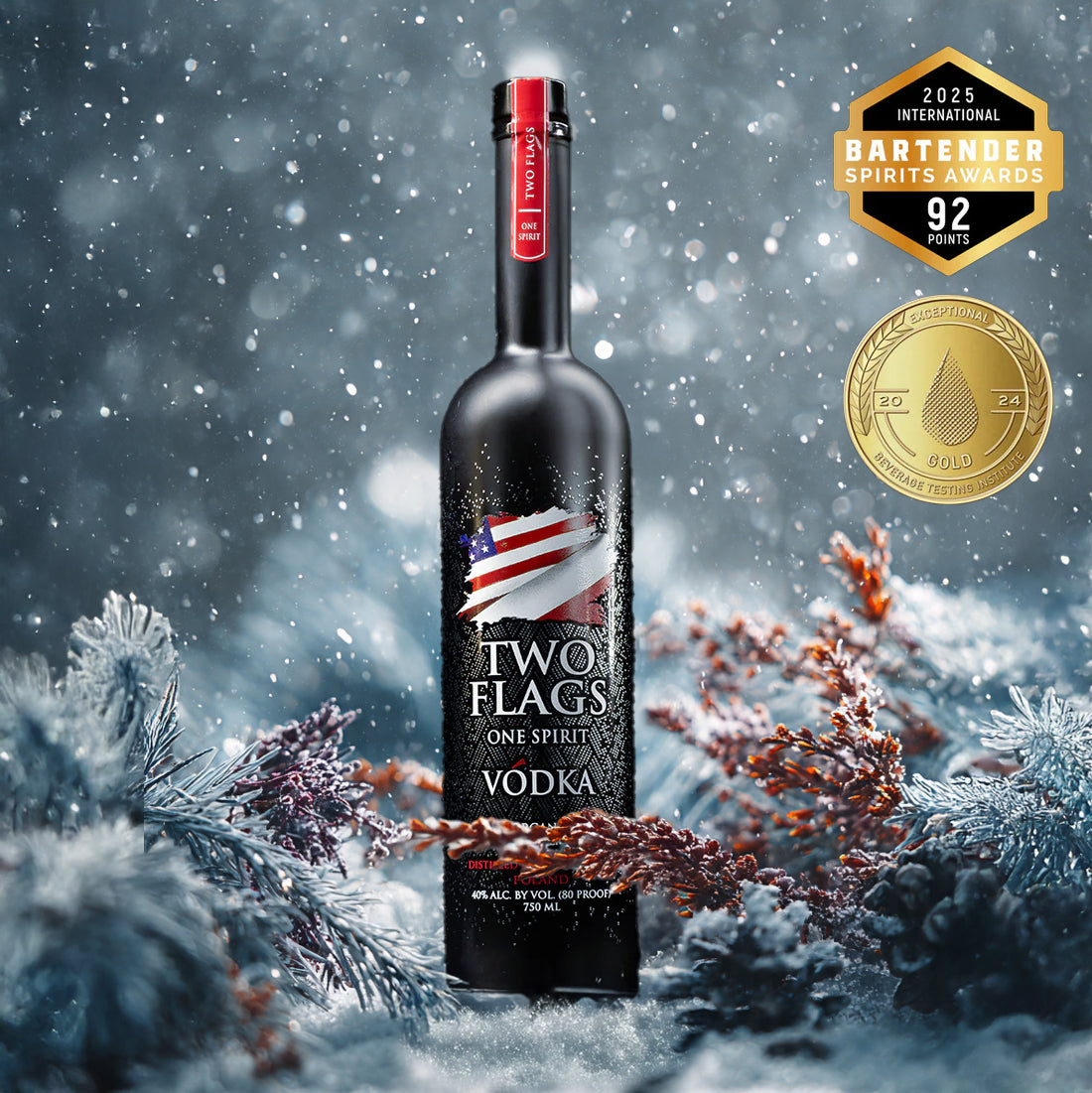
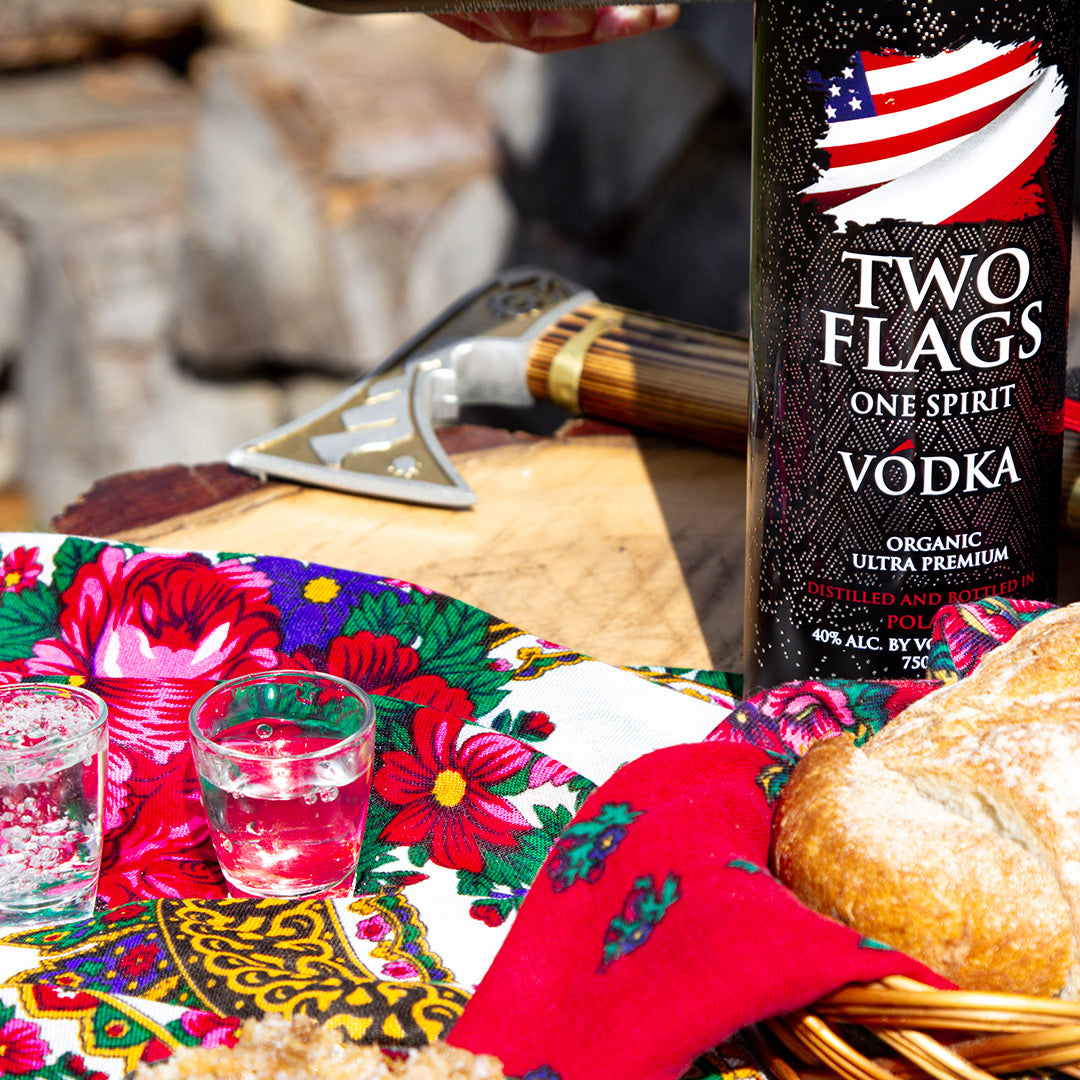
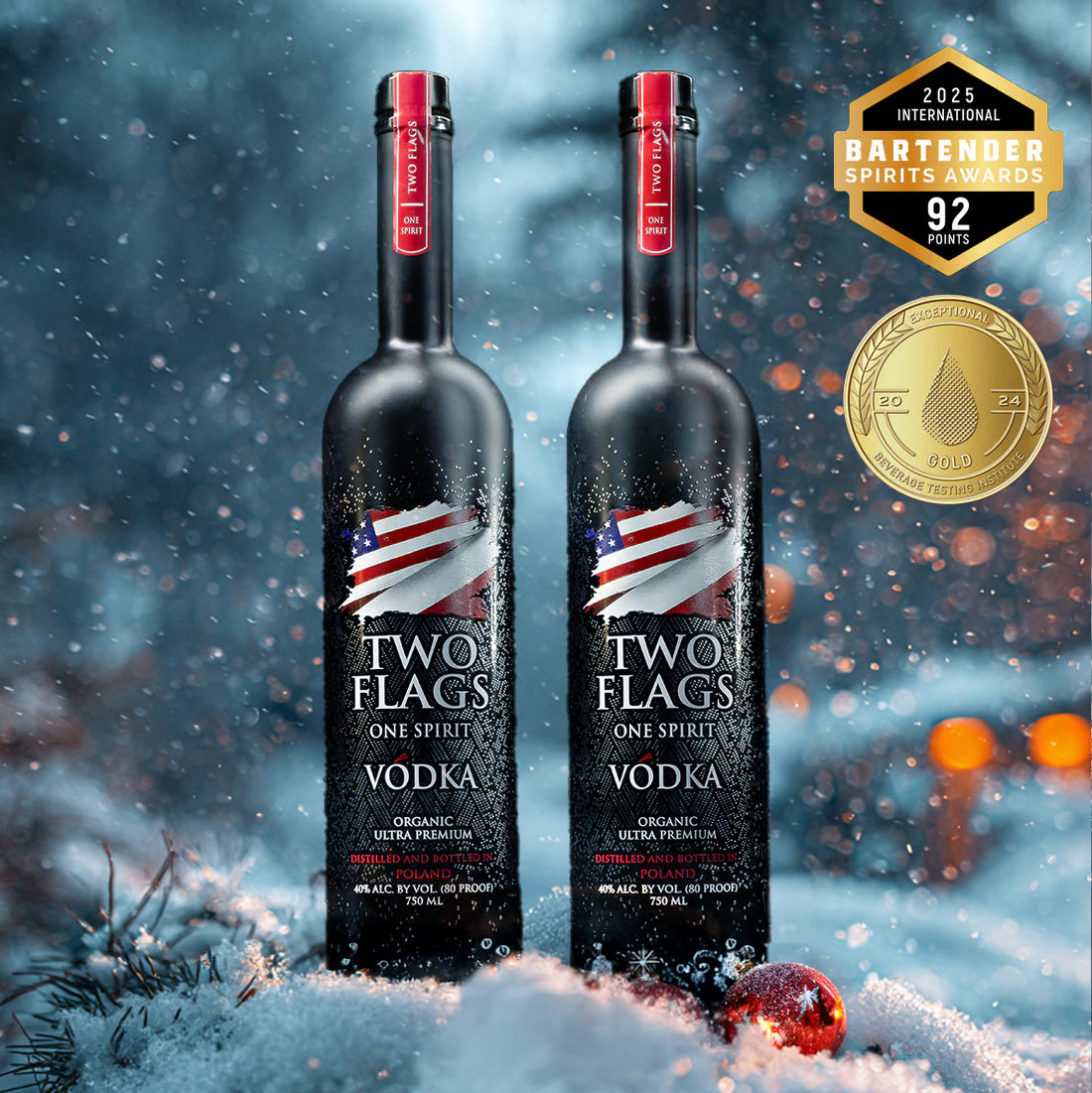
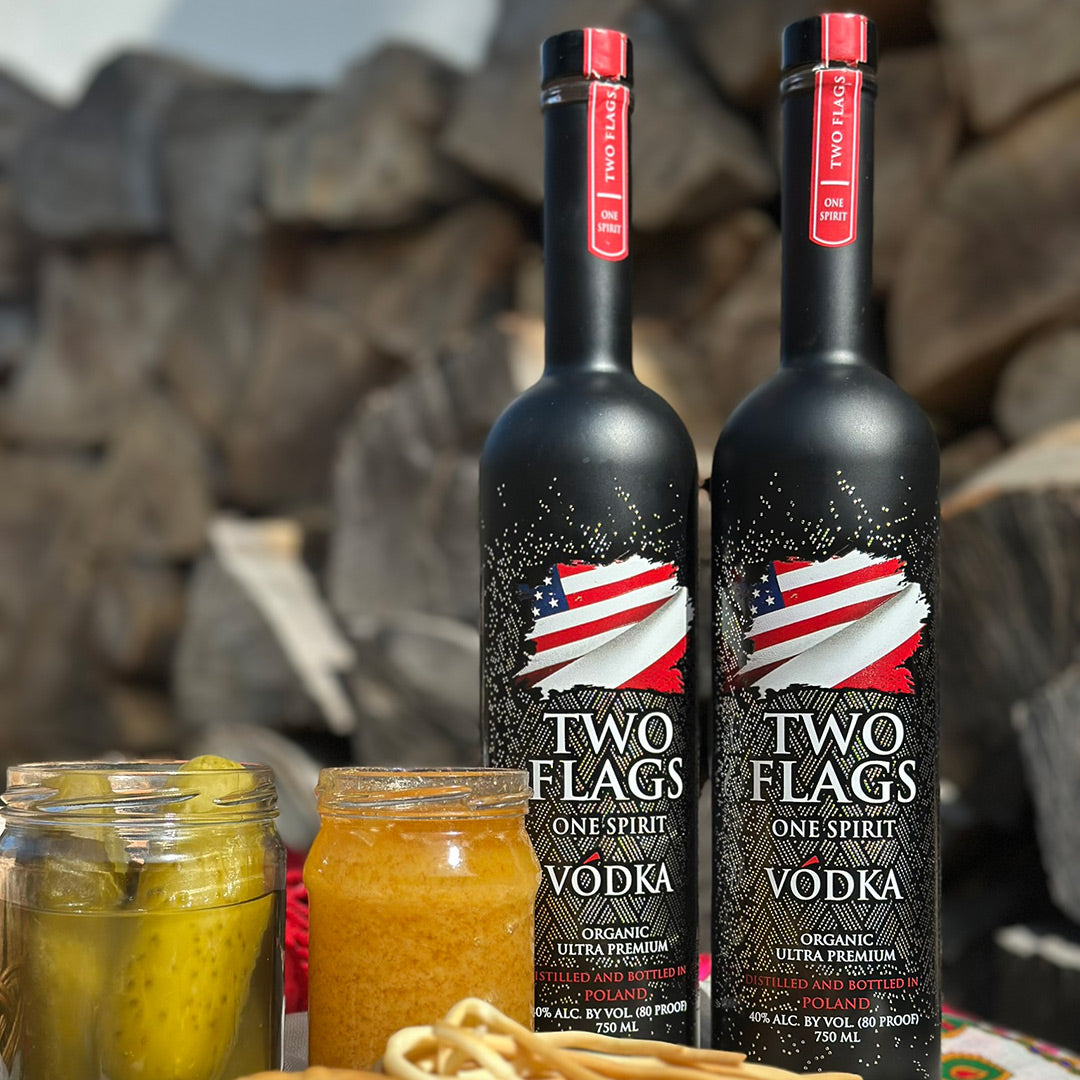
Vodka production is its most famous role. Unflavored vodka is, by definition, a neutral spirit diluted to bottling proof. Its clean taste comes directly from the highly rectified alcohol base. At Two Flags Vodka, we start with a premium neutral alcohol from Polish rye and blend it with pristine water to achieve our smooth character. Learn more about what makes vodka at Beyond the Bottle: What Exactly Is Vodka.
For Gin production, distillers take a clean base of neutral alcohol and infuse or redistill it with juniper and other botanicals. The neutral foundation provides a clean stage for the botanicals' complex flavors.
Many Liqueurs and Bitters also use neutral alcohol to carry the concentrated flavors of fruits, herbs, and spices. Even Fortified wines like Port and Sherry use a grape neutral spirit to boost their alcohol content and stop fermentation.
Beyond the Bar: Other Commercial Uses
The uses for neutral alcohol stretch far beyond beverages. Its purity and solvent properties make it valuable in many industries.
In Flavor extracts like vanilla, neutral alcohol acts as a solvent to pull out and preserve delicate flavors. Similarly, herbal Tinctures use it to extract active compounds.
In Pharmaceuticals, it's used as a solvent and sterilizing agent. For Cosmetics and Perfumery, its clean scent and quick evaporation make it a perfect base for perfumes and skincare products.
Finally, its antiseptic properties make high-proof ethanol a key ingredient in Hand sanitizers and cleaning agents, and it serves as an Industrial solvent in manufacturing and laboratories. It's clear that neutral alcohol is a fundamental component in countless products we use daily.
The Business of Neutral Spirits: Purchasing, Logistics, and Legality
Working with neutral spirits on a commercial scale is a complex endeavor. Understanding how neutral alcohol moves from producer to product involves navigating regulations, logistics, and intricate tax codes.
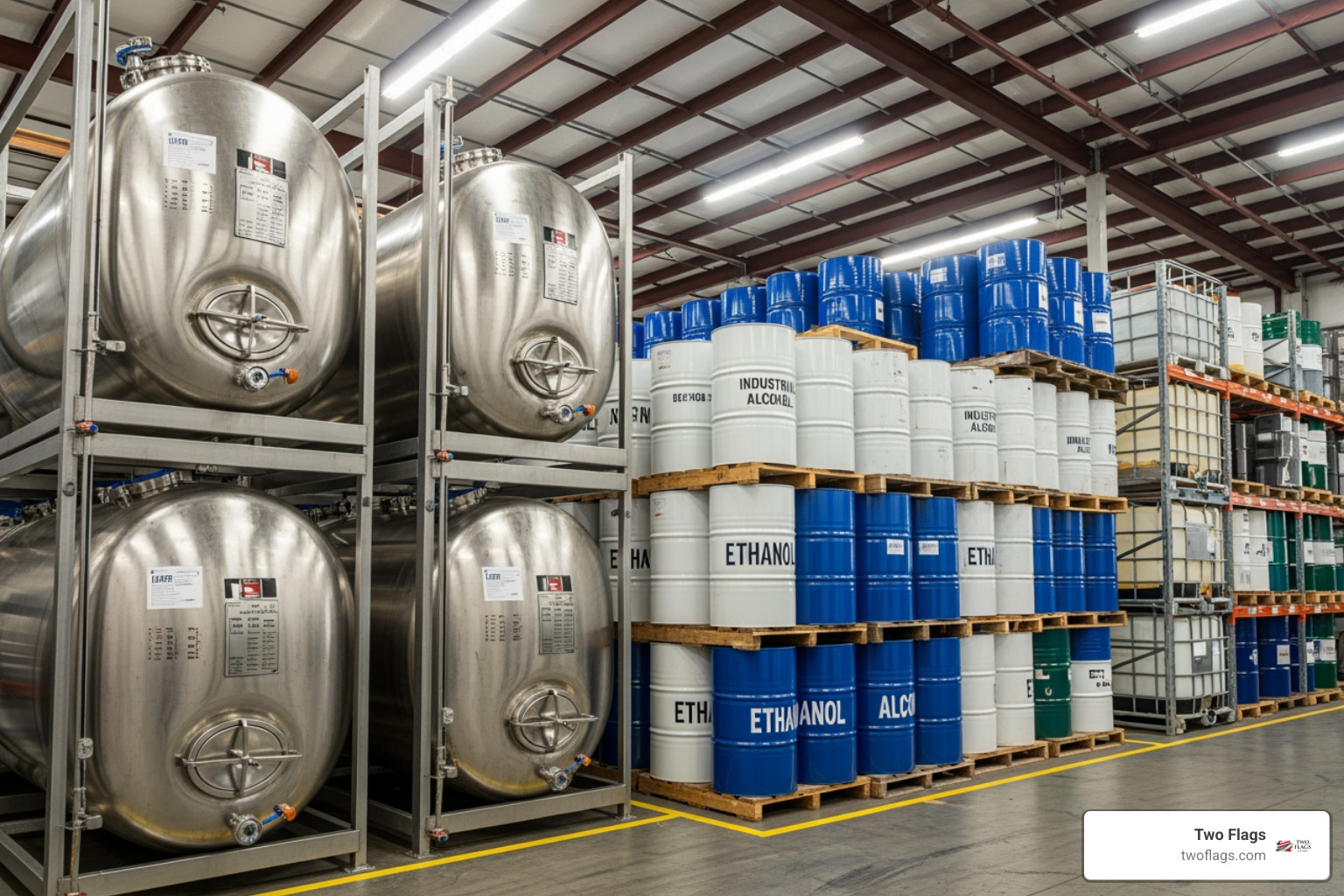
Buying Neutral Spirits: Retail vs. Bulk
For home enthusiasts, retail high-proof neutral alcohol is available for small-scale projects. However, professional producers like Two Flags can't use retail. Building our own industrial distillation columns would require millions in capital investment.
Instead, most craft distillers work with specialized bulk suppliers. Bulk purchasing dramatically reduces the per-liter cost, making premium spirits economically viable. It also ensures a consistent, reliable supply. When we source neutral alcohol in bulk, quality assurance is critical. We rigorously test samples to ensure they meet our exacting specifications for purity and neutrality. Reputable suppliers also provide regulatory expertise and handle complex logistics.
Legal, Tax, and Transport Considerations
Transporting neutral alcohol is complicated. Due to its high alcohol content, it's classified as a Class 3 hazardous material (UN 1170). This means it must be shipped in specialized food-grade containers (drums or large ISO tanks) by certified carriers following strict safety protocols. In Europe, transport follows EU regulations on spirit drinks.
Licensing requirements for purchasing and storing bulk neutral alcohol are universally strict. Businesses need special permits to handle these materials.
Alcohol taxes are also substantial. In the European Union, excise duty is calculated per hectolitre of pure alcohol, not by value. This tax is a significant portion of the final product cost. To manage this, many producers use bonded warehouses, specialized facilities where spirits can be stored without immediately paying excise duty. This tax deferral provides crucial financial flexibility.
It's important to distinguish between potable (drinkable) and denatured alcohol. Denatured alcohol, made unfit for consumption, is often exempt from excise duty. Navigating these legal and logistical problems is part of ensuring that every glass of Two Flags Vodka is a product crafted with exceptional care from start to finish.
Health and Safety: The Truth About High-Proof Spirits
A common and dangerous assumption is that because neutral alcohol is "pure," it's safer or healthier than other alcoholic drinks. Let me be absolutely clear: "neutral" refers only to the spirit's lack of flavor and aroma—it has nothing to do with being gentle on your body or safer to consume.
At 95% ABV or higher, neutral alcohol is an incredibly potent substance that must be treated with proper respect and caution.
Is "Neutral" a Safer Choice? Debunking Health Claims
The idea that purer alcohol with fewer congeners—those byproducts of fermentation that contribute flavor—is "healthier" is a myth. The primary active ingredient in any alcoholic beverage is ethanol. And ethanol is ethanol. It affects your brain and body the same way regardless of how many times it's been distilled.
While fewer congeners might lead to milder hangovers for some, this doesn't reduce the fundamental risks of alcohol consumption: liver damage, addiction, and the acute dangers of intoxication. Scientific consensus is clear: for certain populations, no amount of alcohol is safe. Any marketing that suggests health benefits from alcoholic beverages is misleading. The very lack of a harsh taste in high-proof neutral alcohol can also make it easier to over-consume, increasing its danger.
Understanding the Health Risks of Neutral Alcohol
The extremely high ABV of neutral alcohol presents very real and serious health risks.
Rapid intoxication is the first major concern. A small amount of a 95% ABV spirit delivers a massive dose of ethanol to your system, which can quickly overwhelm your body's ability to metabolize it. This leads directly to the risk of alcohol poisoning, a medical emergency that can be fatal.
Long-term health consequences are equally serious. Regular consumption of any alcoholic beverage, especially high-proof ones, can lead to dependence, addiction, and damage to nearly every organ system, including the liver, pancreas, and heart. It also increases the risk of various cancers.
At Two Flags, we believe in responsible consumption. The CDC guidelines on moderate drinking define moderation as no more than one 1.5 oz serving of distilled spirits per day for women and no more than two servings per day for men.
Here are some practical tips for responsible consumption:
- Know your limits and respect them
- Pace yourself by drinking slowly and alternating with water
- Eat before and during drinking
- Stay hydrated
- Avoid mixing alcohol with medications
- Never drink and drive
- Choose quality over quantity
- Listen to your body—if you're feeling the effects strongly, stop drinking
The bottom line is this: neutral alcohol and the spirits made from it, including our Two Flags Vodka, are meant to be enjoyed responsibly and in moderation. They are not health products.
Frequently Asked Questions about Neutral Alcohol
Is vodka a neutral spirit?
Yes, absolutely! Unflavored vodka is the very definition of a neutral spirit that has been diluted down to bottling proof. Its defining lack of any distinctive smell, taste, or color comes directly from its highly purified alcohol base. This neutrality is what makes vodka so versatile and prized for its clean, crisp character, as found in our Two Flags Vodka.
What's the difference between neutral alcohol and ethanol?
Ethanol is the scientific name for pure alcohol (C2H5OH). Neutral alcohol, or neutral spirit, is a specific, highly concentrated form of ethanol, typically 95% ABV or higher, produced from agricultural sources for consumption. In the spirits industry, the terms are often used interchangeably to describe this pure, drinkable alcohol. Essentially, all neutral alcohol is ethanol, but not all ethanol (like industrial-grade) is considered neutral alcohol.
Why is neutral alcohol so strong?
Neutral alcohol is intentionally distilled to a very high proof (95% ABV or more) through a process called rectification. The goal is to strip away nearly all water, congeners (flavor compounds), and other impurities. What remains is an incredibly pure, and therefore highly concentrated and strong, ethanol base. This high strength makes it a versatile and effective base for creating spirits like gin or for diluting with pristine water to make a clean-tasting vodka.
The Blank Canvas of the Spirits World
So there you have it—the complete story of neutral alcohol, from its origins in fields of grain to its role in your favorite cocktail. It's easy to dismiss it as just "plain" alcohol, but as we've found, neutral alcohol is anything but simple.
This highly purified spirit, distilled to at least 95% ABV, represents the pinnacle of distillation science. It's the result of centuries of refinement, particularly in places like Poland. The meticulous process required to create neutral alcohol demonstrates the skill needed to produce something that's meant to taste like nothing at all.
What makes neutral alcohol truly remarkable is its versatility. It serves as the foundation for vodka, the blank canvas for gin's botanicals, and the base for countless liqueurs. Beyond the bar, it's an essential ingredient in pharmaceuticals, perfumes, and food extracts. This wide-ranging utility stems from its purity—because it lacks its own distinctive character, it allows other flavors and compounds to shine without interference.
At Two Flags, our respect for neutral alcohol runs deep. We know that the quality of the base spirit determines everything that follows. That's why we start with premium neutral alcohol crafted from the finest Polish rye, and then blend it with pristine spring water to create our ultra-premium, organic, gluten-free vodka. We're proud to offer this luxury quality at a value that makes it accessible to vodka lovers throughout Chicagoland.
But we also want to be honest. While neutral alcohol is remarkably pure, "neutral" doesn't mean "safe." The ethanol it contains carries real risks. Responsible consumption is a genuine commitment to our customers' wellbeing.
The next time you pour a vodka or mix a gin and tonic, take a moment to appreciate neutral alcohol. It's the unsung hero working behind the scenes. It's proof that sometimes the most important ingredients are the ones we barely notice—the blank canvases that make everything else possible.
We invite you to experience what happens when centuries of Polish distillation expertise meet a commitment to quality and purity. Explore the world of premium, natural vodkas and find how the right neutral alcohol foundation creates an exceptional vodka. That's the Two Flags difference.




Leave a comment
This site is protected by hCaptcha and the hCaptcha Privacy Policy and Terms of Service apply.