

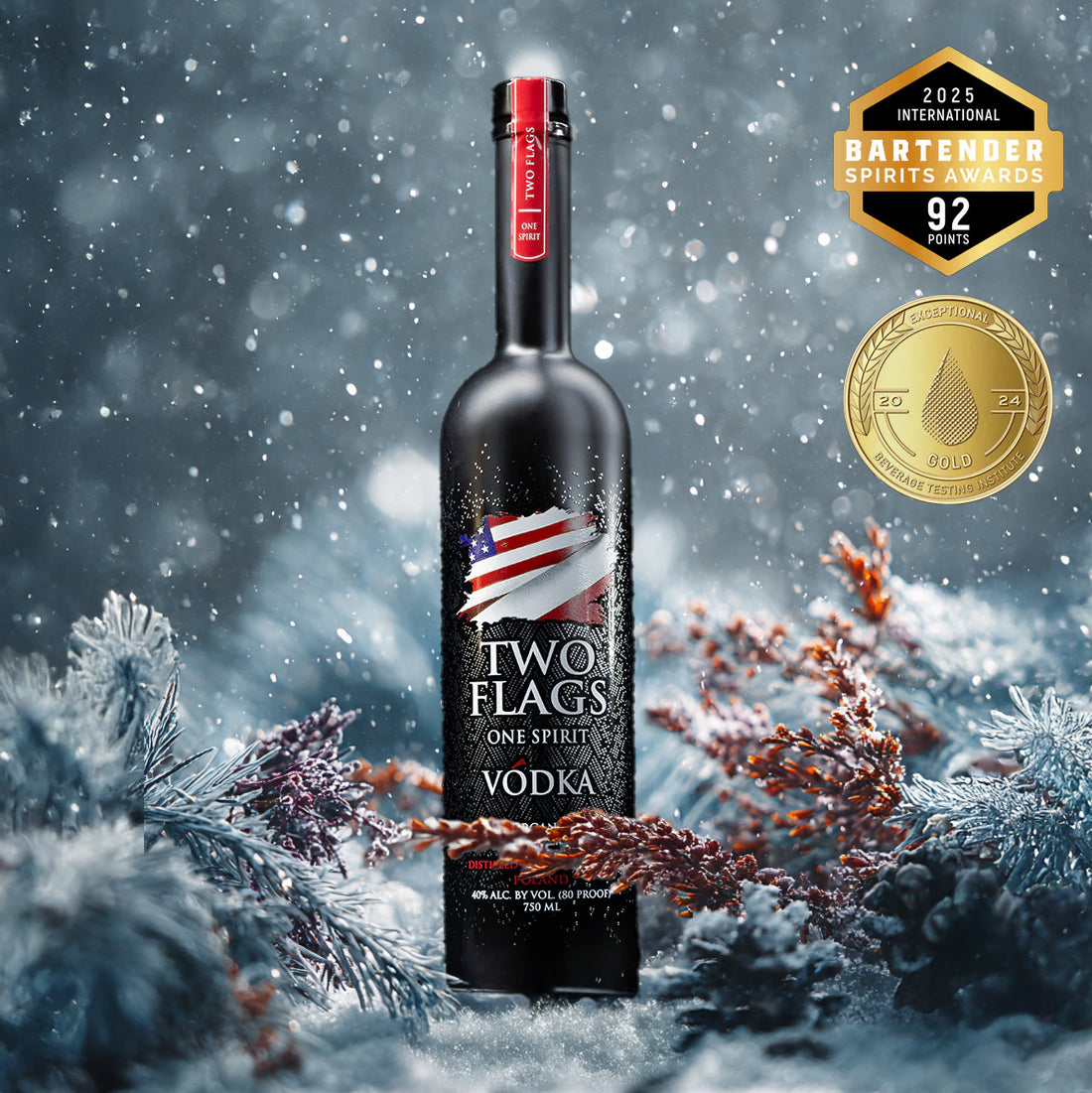
What Vodka Actually Tastes Like (And Why It Matters)
What does vodka taste like? While often dismissed as neutral or tasteless, high-quality vodka has subtle and distinct flavor profiles. The final taste is a complex interplay of its base ingredients, distillation, filtration, and water source.
- Grain-based vodkas (wheat, rye): Can be clean and crisp, with notes of pepper, anise, or baked bread.
- Potato-based vodkas: Often creamy and full-bodied with an earthy character.
- Corn-based vodkas: Tend to be slightly sweet with buttery notes.
- Common aromatics: Include lemon zest, almond, apple, citrus, and vanilla.
- Mouthfeel: Varies from silky and oily to crisp or creamy.
- Finish: Can range from exceptionally smooth to a gentle "heat."
For decades, vodka was marketed as a flavorless spirit—a blank canvas for cocktails. This oversimplification ignores the nuances that separate premium vodka from a bottom-shelf bottle. The truth is, vodka does have a taste, and understanding it helps you make better choices for your palate and wallet.
This guide cuts through the myths to explore what vodka actually tastes like, how it's made, and what to look for in a quality bottle. We'll cover everything from traditional production laws and modern filtration to health questions like whether vodka is keto-friendly or gluten-free.
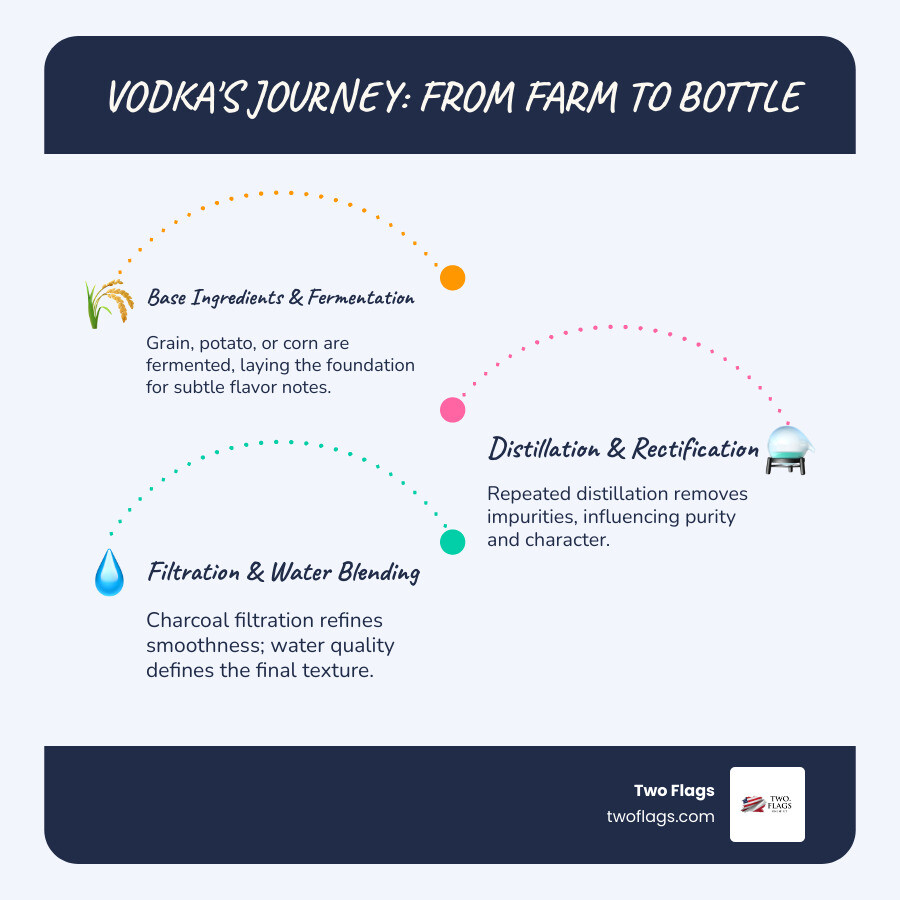
What does vodka taste like terms made easy:
The Building Blocks of Flavor: Ingredients and Origins
When you ask what does vodka taste like, the answer begins in the fields. Unlike spirits with stricter rules, vodka can be made from nearly any agricultural product with fermentable sugars. This versatility is why two bottles can taste completely different.
The journey starts with a base ingredient—like wheat, potatoes, or corn—which is fermented to create alcohol. Just as crucial is the water used for dilution, as it makes up about 60% of the final product. The best vodkas use soft, low-mineral water to achieve a clean, smooth finish.
Beyond ingredients, the concept of terroir—the influence of geography and culture—plays a significant role. Traditional vodkas from regions like Poland and Russia carry the essence of their homeland through specific production methods and local ingredients.
From the Field: How Base Ingredients Shape the Spirit
The choice of raw material is the first step in defining a vodka's character. While distillation aims for purity, the base ingredient's soul always remains.
- Wheat is a common base, producing a clean, crisp vodka with a smooth mouthfeel and subtle peppery notes.
- Rye offers more personality, creating a spicy, robust spirit with a hint of breadiness that some find nutty or earthy.
- Potato vodka is often misunderstood but yields a creamy, full-bodied spirit with an earthy quality and a slightly sweeter finish. Its texture is distinctly rich.
- Corn produces a naturally gluten-free vodka that is slightly sweet and buttery, with exceptional smoothness.
The number of distillations also matters. Fewer distillations retain more of the base ingredient's character, while more distillations lead to greater neutrality, sometimes at the cost of complexity. At Two Flags, we value our organic ingredients for the positive character they contribute to the final spirit. For more on this, see our guide on Beyond the Grain: Finding Your Perfect Gluten-Free, Corn-Free Vodka.
The Polish Vodka Tradition and "Terroir"
Poland's approach to vodka is defined by a legal commitment to quality that directly impacts what does vodka taste like. Polish vodka operates under some of the world's strictest production laws.
By law, it must be made from either Polish grain or Polish potatoes, and every step of production must occur on Polish territory. These strict laws around vodka production guarantee authenticity. The water, often from pristine glacial or spring sources, is naturally soft and contributes to a uniquely silky mouthfeel.
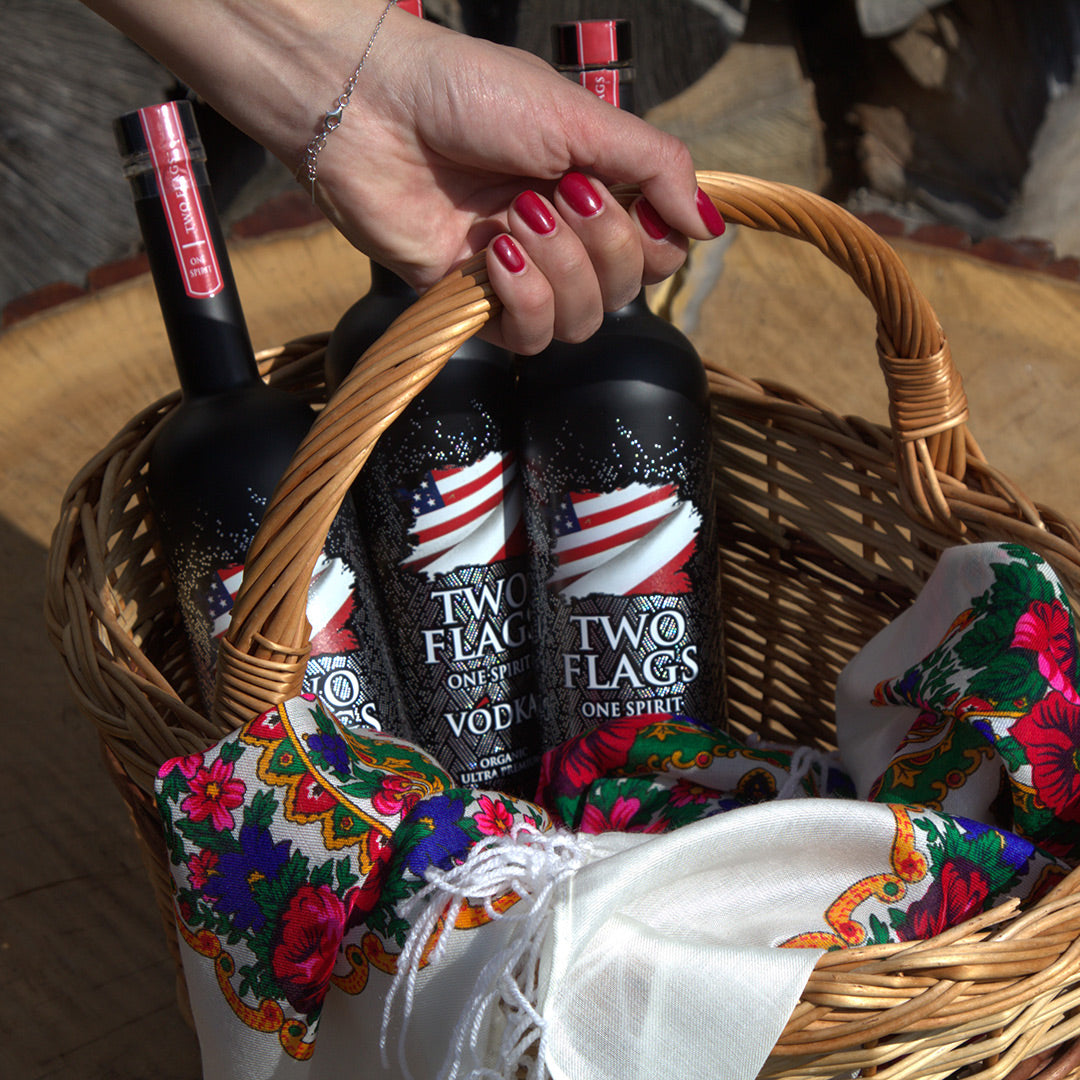
This geographical indication means you are tasting a spirit intrinsically linked to its land. It's terroir in a bottle. As a Polish-American, I deeply respect this heritage. At Two Flags, we honor these Polish standards to bring authentic quality to American consumers. Learn more about this rich history in The Spirit of Poland: Unveiling Traditional Vodka.
The Gluten Question: Is Vodka Safe for a Gluten-Free Diet?
Many people wonder if vodka is gluten-free. The good news is that the vast majority of vodkas are, even those made from wheat, rye, or barley.
This is due to the science of distillation. During this process, alcohol is vaporized, leaving heavier substances like gluten proteins behind. Because these proteins are too large to vaporize, they never make it into the final spirit. The U.S. TTB officially considers distilled spirits gluten-free, regardless of their original source.
However, individuals with celiac disease or extreme gluten sensitivity may prefer vodkas made from naturally gluten-free ingredients for total peace of mind. Potato vodka and corn vodka are excellent choices. Be mindful that some flavored vodkas may contain gluten in their additives, so always check the label if you have concerns.
At Two Flags, we produce organic, gluten-free vodka because we believe in transparency and inclusivity. For a deeper dive, read our article: Vodka and Gluten: Separating Fact from Fiction.
The Art of Purity: Distillation, Filtration, and Texture
Once the ingredients are chosen, the distiller's art transforms them into a refined spirit. The answer to what does vodka taste like becomes much more interesting during distillation and filtration.
These two processes are all about refinement. Distillation separates the alcohol from the fermented mash, and filtration removes any remaining impurities. Together, they determine the vodka's smoothness, clarity, texture, and subtle flavor notes, distinguishing a premium bottle from a harsh, medicinal one.
The Distiller's Craft: How Many Times is Enough?
You've seen bottles labeled "triple-distilled" or "distilled five times," but does more equal better? Not always. The quality of distillation is more nuanced than a number.
Distillation works by heating the fermented liquid to vaporize the alcohol, which is then cooled and condensed back into a purer liquid. Column stills are modern and efficient, capable of producing a very high-proof, neutral spirit. Pot stills are more traditional, preserving more character from the base ingredients.
Interestingly, fewer distillations can mean more flavor, retaining the peppery notes of grain or the creamy sweetness of potato. More distillations push the spirit toward absolute neutrality. The goal isn't just a high number of distillations but finding the perfect balance between purity and character. At Two Flags, we focus our methods on achieving exceptional purity while honoring the subtle qualities of our organic Polish ingredients. Learn more in Vodka's Journey: A Step-by-Step Guide to How It's Crafted.
Filtering for Finesse: The Final Polish
Filtration is the final polishing step, giving vodka its crystal-clear appearance and smooth finish. Like distillation, it's a balancing act. Too little filtration can leave harsh edges, while too much can strip away all character.
Charcoal filtration is the industry standard. Activated carbon, with its porous structure, traps unwanted compounds, making the vodka cleaner, brighter, and smoother. This process removes off-flavors and softens the spirit's texture, resulting in a vodka that glides across the palate.
However, over-filtration can create a spirit that is technically pure but bland. The art is knowing when to stop to preserve the delicate hints of grain or potato. Our approach at Two Flags is to use meticulous filtration that improves our vodka's quality without erasing its soul. Find the science in Why Vodka Filtration Matters: A Deep Dive.
Beyond Flavor: Understanding Vodka's Mouthfeel
When analyzing what does vodka taste like, the texture—or "mouthfeel"—is as important as the flavor. This is the physical sensation the vodka creates on your palate.
Some vodkas are creamy and velvety, a common trait in potato-based spirits. Others feel oily and substantial. A crisp vodka is clean and refreshing, while the best often achieve a silky texture that is smooth and refined. In contrast, a lower-quality vodka might feel watery or thin.
What creates these textures? The base ingredient is a primary factor—potatoes naturally yield a creamier vodka than wheat. The mineral content of the water used for dilution also plays a role. Finally, careful distillation and filtration are crucial for removing harsh elements and achieving a smooth, pleasant mouthfeel.
So, What Does Vodka Taste Like? Decoding the Nuances
Now, let's directly address the central question: what does vodka taste like? It's time to move past the myth of a flavorless spirit and explore vodka's true character.
While vodka doesn't have the bold flavors of whiskey or gin, it possesses delicate nuances best appreciated when served chilled and tasted neat. Think of it as listening to a whisper rather than a shout—it requires attention to fully appreciate.
Debunking the "Tasteless" Myth: What does vodka taste like?
The idea that vodka is tasteless is the biggest misconception in the spirits world. While it is a "neutral spirit," it is far from being devoid of flavor. Instead, it offers a spectrum of subtle notes that make it an intriguing choice for discerning palates.
So, what does vodka taste like when you pay attention? You might notice hints of citrus, delicate vanilla sweetness, or a warming pepper note, especially in rye or wheat vodkas. Some present faint anise or the comforting flavor of baked bread, while others have a mellow, nutty almond undertone.
These are not overpowering flavors but whispers that reveal themselves with careful tasting. A good vodka offers a delicate balance of these subtle notes, making it a clean and unique spirit. It's this quiet complexity that makes vodka so versatile. Learn more at Beyond the Bottle: What Exactly Is Vodka.
The Sensation of "Heat": Alcohol Content and Smoothness
One of the first sensations when drinking vodka neat is the "heat" or alcohol burn. This is directly related to its alcohol content—typically 40% ABV (80 proof)—and the overall quality of the spirit.
While the concentration of ethanol naturally creates a warming sensation, a well-crafted vodka delivers a smoother, more gentle warmth rather than a harsh sting. This smoothness is the result of effective distillation and filtration, which remove the impurities that contribute to a rough taste. High-quality raw materials and pure water also create a cleaner spirit with a softer mouthfeel, mitigating the burn.
A cheaper vodka often has a more aggressive, unpleasant burn with a lingering aftertaste. The sensation of "heat" is therefore a key indicator of craftsmanship. For more on vodka's potency, read Is Vodka Alcoholic and How Potent Is It?.
Exploring the Spectrum: Traditional, Flavored, and Infused Vodkas
Beyond traditional unflavored vodka, the market offers a wide array of flavored and infused options that dramatically alter what does vodka taste like.
Traditional flavored vodkas have deep roots in Eastern Europe, where spirits were historically infused with natural ingredients like herbs, spices, and fruits. Common examples included vodkas flavored with bison grass, peppercorns, or lemon, creating complex spirits intended for sipping.
The modern market is filled with commercially flavored vodkas, from citrus and vanilla to more exotic fruit or dessert profiles. The key difference often lies in the use of natural versus artificial flavors. Natural extracts provide authentic taste, while artificial flavorings can seem overly sweet or synthetic.
For a personalized touch, infusing vodka at home gives you complete control. Simply add natural ingredients—such as berries, citrus, cucumber, mint, rosemary, vanilla beans, or cinnamon sticks—to a bottle of unflavored vodka and let it steep for a few days or weeks. Starting with a high-quality, neutral base like our organic vodka at Two Flags provides the perfect canvas, allowing your chosen flavors to shine through.
The Ultimate Tasting Guide: How to Drink and Pair Vodka
Now that we've demystified what does vodka taste like, let's explore how to best enjoy it. The way you serve and consume vodka can dramatically improve its flavor and texture, opening up a world beyond the simple shot glass.
How to Properly Taste Vodka and Identify Quality
Tasting vodka is an experience to be savored. It's about slowing down to appreciate the nuances that reveal a spirit's true character.
- Serve it right. Chill your vodka to around freezer temperature (0°F). Extreme cold can numb the palate, but a slight chill provides smoothness without hiding delicate flavors.
- Use proper glassware. A tulip-shaped glass or small wine glass helps concentrate the aromas.
- Nose the spirit. Swirl the vodka gently and take short, shallow sniffs. Note any subtle hints of citrus, grain, or spice.
- Take a small sip. Let the vodka coat your tongue. Notice the initial impact—is it gentle or harsh? Pay attention to the mouthfeel—is it creamy, crisp, or oily?
- Assess the finish. A quality vodka leaves a clean, pleasant sensation with a gentle warmth, not a harsh burn or bitter aftertaste.
While price isn't the only factor, premium vodkas typically reflect an investment in quality ingredients and meticulous production that you can taste. For more tips, explore Sip Smarter: Discovering What Good Vodka Really Means.
From Shots to Cocktails: How Serving Method Affects Taste
Vodka's taste profile changes dramatically based on how it's served. Understanding these differences helps you choose the right method for any occasion.
- Neat: Served chilled but without ice, this is the purist's way to experience vodka's full spectrum of subtle flavors and mouthfeel.
- On the Rocks: Ice chills the spirit further and adds slight dilution, softening the alcohol burn. Be careful not to over-dilute, as this can mute the flavors.
- In Cocktails: Vodka's versatility shines here. In a Vodka Soda, its clean profile provides a neutral base. In a Martini, its smoothness and character balance the vermouth. In a Moscow Mule, it complements the spicy ginger and zesty lime without competing.
This adaptability is vodka's greatest strength. For cocktail ideas, check out Vodka Cocktail Mastery: Recipes for Martinis and Tonics.
The Perfect Match: Classic and Modern Food Pairings
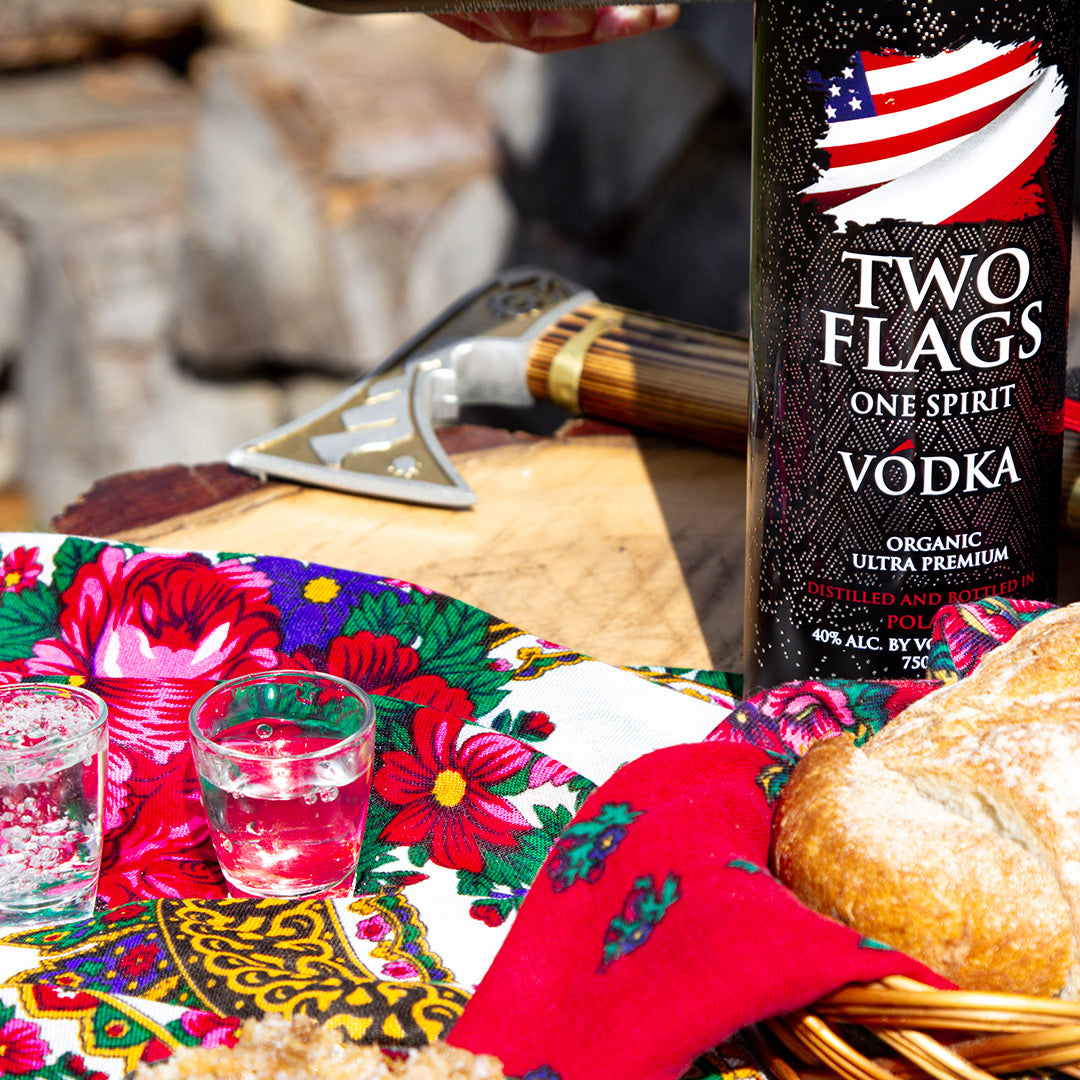
Vodka's clean, crisp profile makes it an excellent companion for a wide range of foods. It acts as a palate cleanser, cutting through rich or fatty dishes and highlighting their flavors.
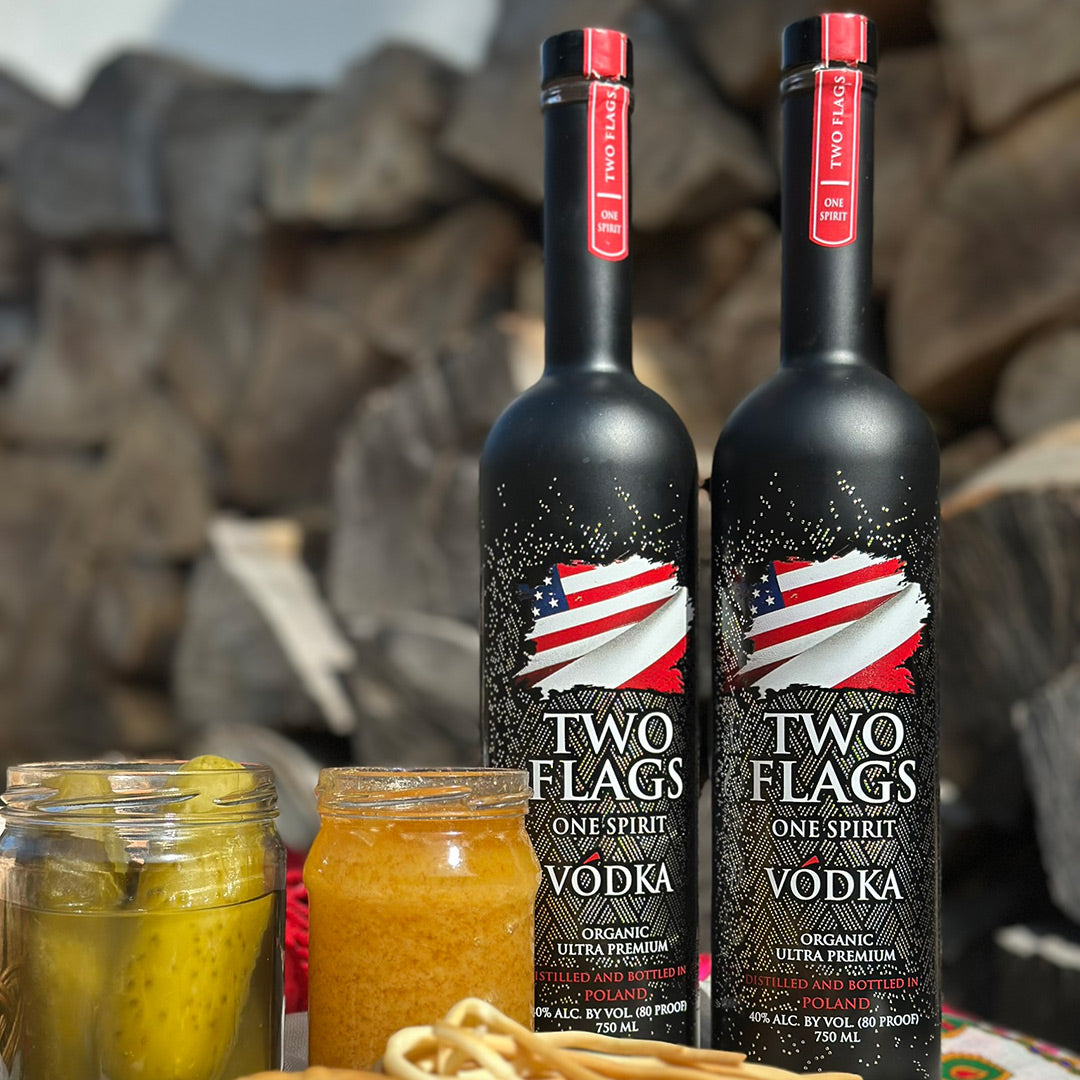
- Classic Pairings: Rooted in Eastern European tradition, these pairings are timeless. Try vodka with caviar, smoked salmon, or pickled vegetables. The spirit's neutrality cleanses the palate between bites of these rich, briny, or acidic foods.
- Modern Pairings: The possibilities are endless. Fresh oysters are a natural match, with the vodka enhancing their briny freshness. A full-bodied vodka can even stand up to a rich steak, while a smooth, slightly sweet vodka pairs beautifully with the bitterness of dark chocolate.
Experiment to find what works for you. For more ideas, see Vodka's Best Friends: The Top Mixers and Food Pairings.
Frequently Asked Questions about Vodka
As we explore what does vodka taste like, several practical questions often arise. Here are answers to some of the most common concerns.
Is vodka keto-friendly?
Yes, pure, unflavored vodka is perfect for a ketogenic lifestyle. The distillation process leaves it with zero carbohydrates and zero sugar. This means you can enjoy vodka in moderation without breaking ketosis.
The key is to watch your mixers. Sugary fruit juices and regular sodas are loaded with carbs. Stick to keto-friendly options like club soda, sparkling water, or diet tonic, with a squeeze of fresh lemon or lime. Be cautious with flavored vodkas, as some may contain added sugars. Always check the label if you're unsure. For more on this, read The Truth About Vodka Calories, Carbs, and Your Health.
Should you keep vodka in the freezer?
Storing vodka in the freezer is a popular practice with real benefits. Since vodka's freezing point is around -16°F (for 80 proof), it gets perfectly chilled in a standard 0°F freezer without turning solid.
This method ensures your vodka is ready for sipping neat or in a crisp cocktail. The cold temperature softens the alcohol burn and creates a thicker, silkier texture that many find luxurious. However, be aware that extreme cold can mute the delicate flavors of a super-premium vodka. For casual sipping, the freezer is great; for a formal tasting, you might want it slightly less cold. Learn more in The Cold Hard Facts: Will Your Vodka Bottle Burst in the Freezer?.
Does vodka go bad?
Vodka is remarkably stable and has a very long shelf life. Thanks to its high alcohol content, an unopened bottle stored away from direct sunlight and heat can last indefinitely without spoiling. There is no expiration date to worry about.
Once opened, the story changes slightly. Over a long period (many months to years), exposure to air can cause subtle changes. The alcohol may slowly evaporate, and the delicate aromatic compounds can fade, making the spirit taste a bit muted. To preserve its character, it's best to enjoy an opened bottle within a year or two and always keep the cap tightly sealed. For more storage tips, see Vodka's Longevity: A Guide to Expiration and Storage.
Conclusion
We've journeyed to find the truth behind what does vodka taste like, revealing a world of subtle complexity. Far from tasteless, vodka is a spirit shaped by its ingredients, water source, and the distiller's craft. It can be peppery, creamy, or citrusy, with a texture that ranges from crisp to silky. The "heat" is a signature of its quality, not a flaw.
Understanding this empowers you to make choices that fit your lifestyle, whether you're seeking a keto-friendly spirit, a gluten-free option, or simply a premium bottle that lifts your cocktails. You now have the knowledge to see past marketing and identify genuine quality.
I encourage you to explore vodka with intention. Taste the differences, try new pairings, and share the experience with others. Great spirits, like great stories, are meant to be enjoyed together.
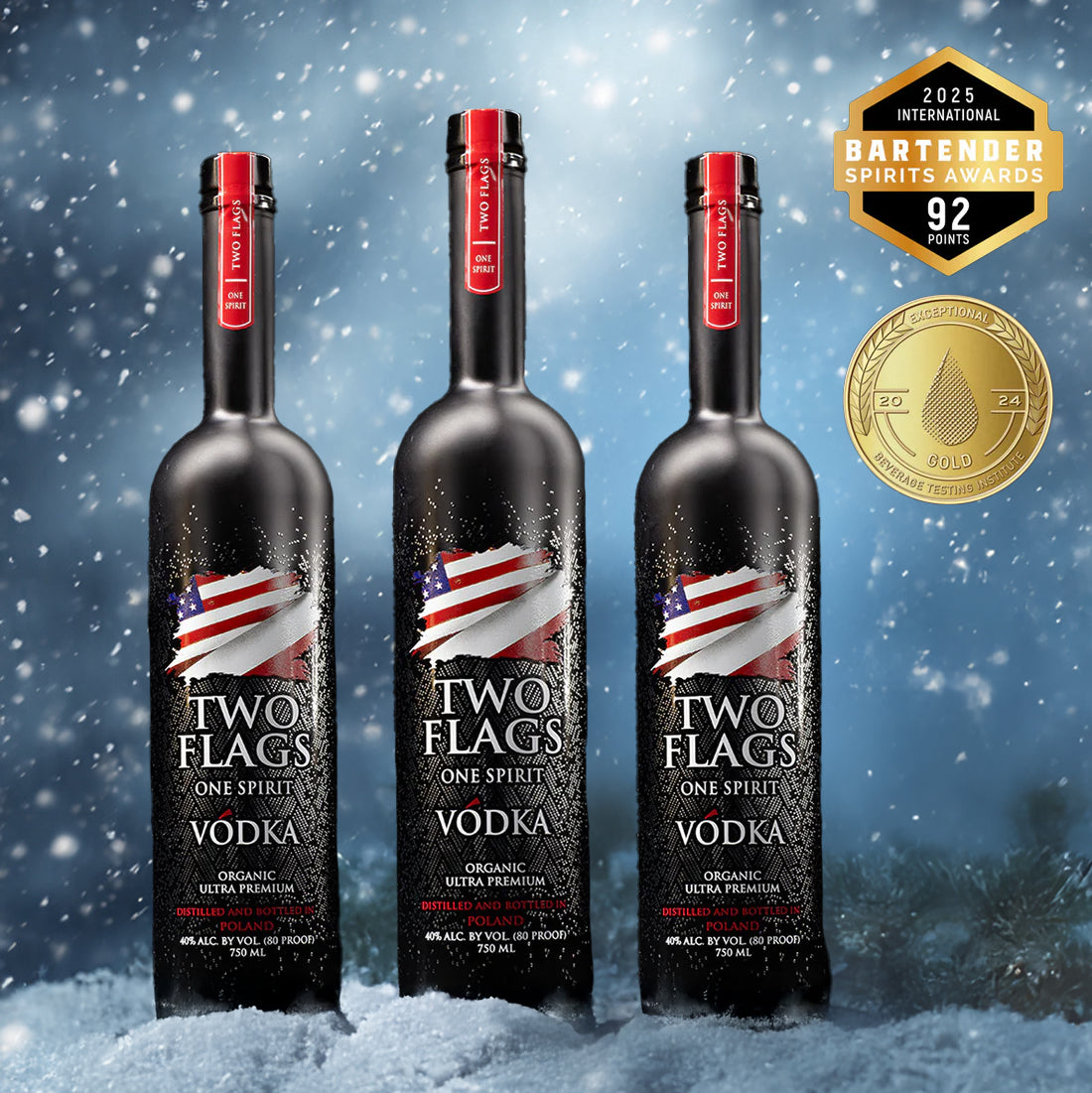
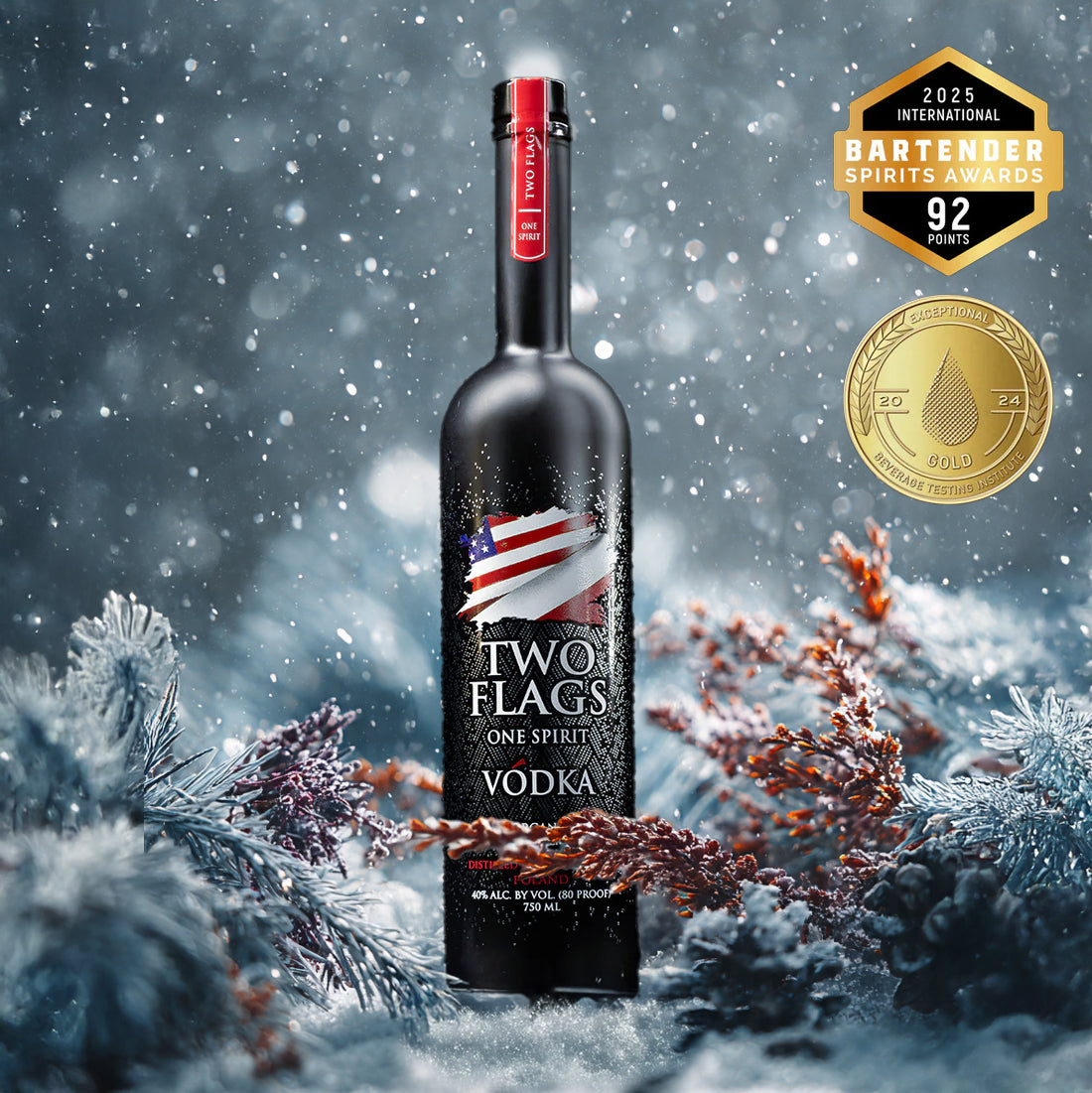
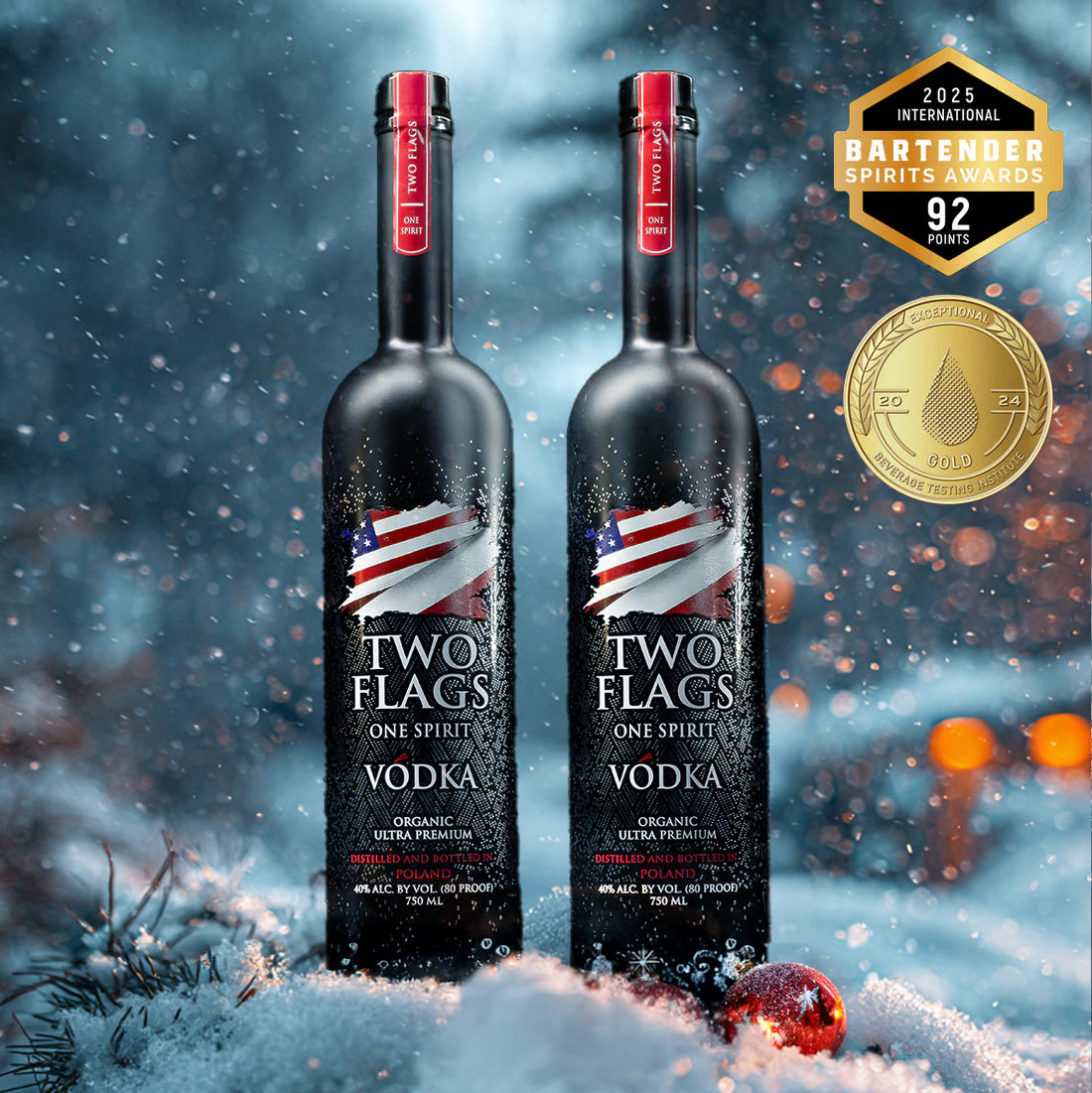
At Two Flags Vodka, this passion for authentic craftsmanship drives us. As a family-owned Polish-American brand, we honor centuries-old Polish traditions while serving our community in Chicagoland. Our ultra-premium, organic, gluten-free vodka is crafted entirely in Poland from the finest local ingredients. The Beverage Testing Institute rated us "Exceptional," yet we offer this luxury quality at a value that welcomes everyone.
We invite you to taste the difference that organic ingredients and authentic craftsmanship make. Find more about our commitment to quality at From Farm to Glass: The Best Organic and Natural Vodkas.
Na zdrowie!


Leave a comment
This site is protected by hCaptcha and the hCaptcha Privacy Policy and Terms of Service apply.